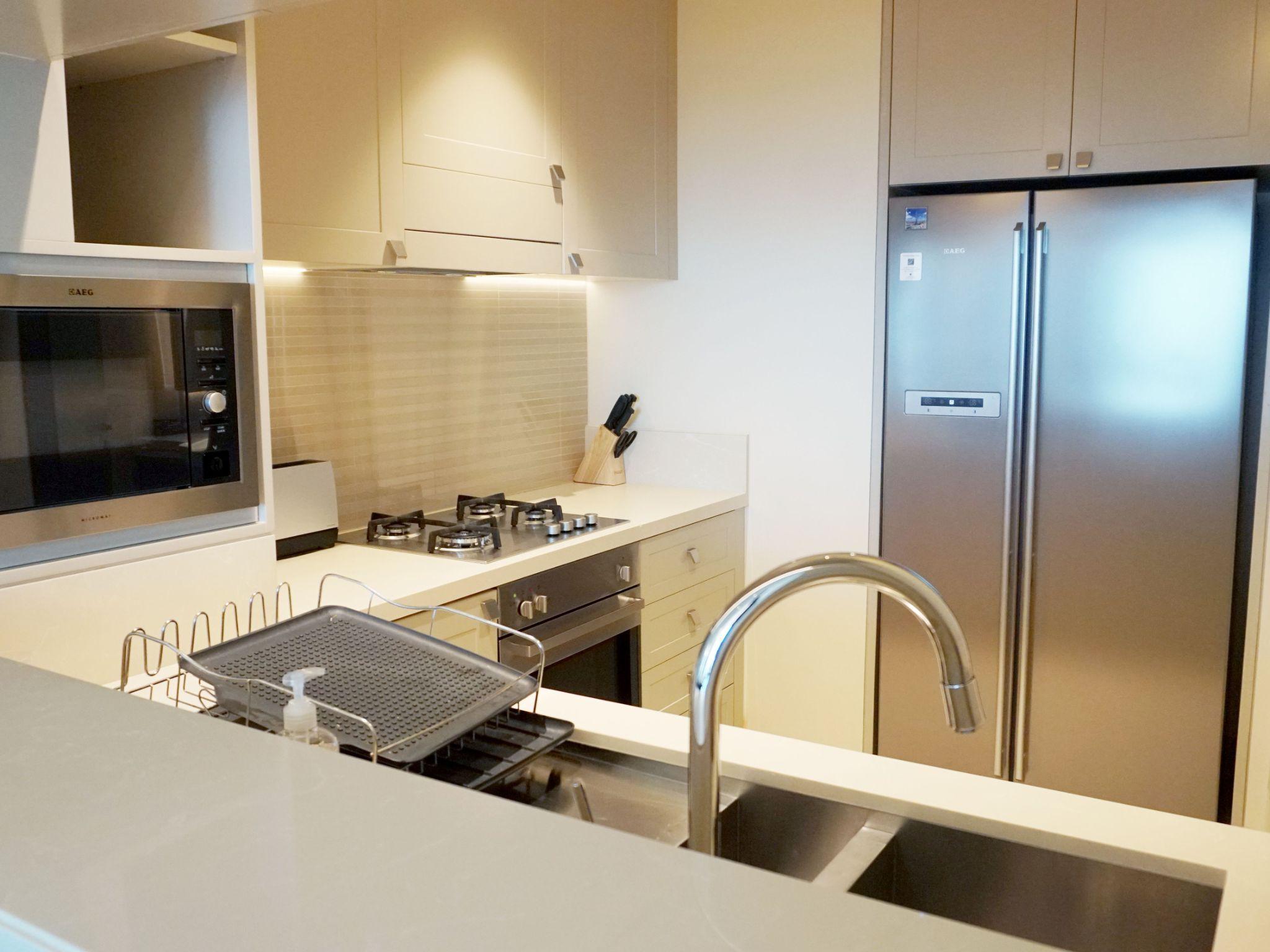
Keeping food fresh used to be a simple matter of plugging in a white box and letting it run for fifteen years. Today, continuous increases in electricity tariffs across Australia have reshaped how families evaluate kitchen appliances. Because refrigerators run twenty-four hours a day, an old inefficient compressor can quietly add upwards of $250 to $300 to your annual electricity bill. Replacing a struggling cooling system is no longer just about aesthetics—it is a direct financial strategy for managing household overheads.
Navigating the market requires understanding layout trade-offs, star ratings, and seasonal promotion cycles. Here is an industry look at how modern refrigeration tech is shifting, how to calculate total ownership costs, and how to snag a genuine bargain when upgrading your kitchen.
The hidden cost of keeping an aging refrigerator on life support
Refrigerators do not typically fail overnight. Instead, their efficiency degrades slowly over time. Door seals lose elasticity, thermal insulation breakdown allows ambient heat inside, and worn compressor motors draw significantly more amperage to maintain set temperatures.
A ten-year-old refrigerator with a 2-star rating might consume upwards of 550 kilowatt-hours (kWh) per year. By contrast, a modern 4.5-star or 5-star inverter-driven unit of similar capacity often uses fewer than 260 kWh annually. At current Australian residential power rates averaging around 35 to 40 cents per kWh, that single upgrade yields an immediate saving of $110 to $130 every single year.
When you factor in saved groceries from better humidity control and fewer spoiled items, upgrading a lagging unit pays for a substantial portion of its purchase price over its operating lifecycle.
Matching refrigeration layouts to real cooking habits
Selecting the right style involves balancing physical kitchen space with daily meal preparation habits. Manufacturers have refined several primary formats to suit different floor plans:
- Top Mount Fridges: Featuring the freezer compartment on top, these remain the most energy-efficient designs per litre of storage. Their straight-line airflow requires less motor work, making them ideal for budget-conscious buyers and rental properties.
- Bottom Mount Fridges: Positioned with the fresh food section at eye level, bottom mounts reduce back strain by keeping everyday ingredients within easy reach. The lower freezer compartment uses pull-out drawers for clear visibility.
- French Door Fridges: Designed for wider kitchens, French doors offer wide horizontal shelves capable of holding large party platters, whole sheet pans, and bulky grocery runs. Double doors also reduce cold air loss by allowing you to open only one side at a time.
- Side-by-Side Models: Ideal for narrow galley kitchens, these vertical split units provide equal access to frozen and fresh items without requiring a wide door swing clearance.
Timing your purchase to maximize appliance savings
Appliance pricing fluctuates throughout the year based on manufacturer clearance cycles and stock rotations. Major distributors routinely mark down current inventory ahead of new model arrivals.
Independent retailers across regional and suburban Australia often provide the sharpest pricing because they maintain direct relationships with local communities and regional warehouses. Rather than waiting for an emergency breakdown where you are forced to pay full retail price for whatever stock is available on the showroom floor, tracking promotional events lets you secure high-spec models at heavy discounts.
When shopping for an immediate replacement, keeping an eye out for a reliable local fridge sale through trusted independent networks like Bi-Rite Home Appliances allows you to secure top-tier global brands like Westinghouse, LG, Hisense, and Haier at competitive clearance rates with local store support.
Comparing running costs across popular capacity tiers
To avoid buying a unit that is too small for family growth or too large for your actual needs, use capacity benchmarks based on household size:
| Household Size | Recommended Capacity (L) | Average Annual Power Usage | Estimated Running Cost ($/Year) |
| 1 – 2 People | 200L – 350L | 180 – 240 kWh | $68 – $91 |
| 3 – 4 People | 400L – 520L | 250 – 320 kWh | $95 – $121 |
| 5+ People / Entertainers | 550L – 700L+ | 350 – 480 kWh | $133 – $182 |
Key engineering features that actually lower operating bills
Not all modern fridge features offer equal value. When evaluating spec sheets, prioritize hardware that directly impacts food longevity and electricity consumption:
- Digital Inverter Compressors: Traditional compressors operate on an all-or-nothing basis, switching on at full power and shutting off abruptly. Variable-speed digital inverters run continuously at low speeds, adjusting cooling power dynamically to maintain precise temperatures with minimal power draw.
- Multi-Airflow Venting: Separate cooling vents on every shelf level prevent warm pockets from forming near the front doors, ensuring consistent temperatures throughout the cabinet.
- Dedicated Humidity Zones: Sealed crisper drawers with adjustable sliders control moisture levels, keeping leafy greens crisp up to twice as long and reducing household food waste.
- Non-Plumbed Water Dispensers: Internal cold water reservoirs provide chilled water on demand without requiring costly plumbing work or external filtration line installation.
Expert perspective on ventilation and placement
Proper installation is just as important as choosing the right star rating. Mark Henderson, a Senior Home Appliance Technician with over twenty years of field experience in Queensland, notes the common ventilation mistake homeowners make:
“I frequently service refrigerators that are overheating simply because they were crammed into tight cabinetry cutouts without adequate clearance. Compressors release heat out the back and sides. If you do not leave at least 50 millimetres of breathing room around the top, back, and sides, heat stays trapped inside the cavity. That forces the motor to run up to 30 percent longer, spiking your electricity bill and shortening the life of the cooling system.”
Four practical steps before making your final selection
Before committing to a new purchase, complete these straightforward checks to guarantee a hassle-free delivery and setup:
- Measure physical doorways and stairwells: Check entrance widths, hallway corners, and kitchen island clearances along the delivery pathway to ensure the new unit fits inside your home.
- Confirm door swing direction: Ensure the fridge door hinges open away from walls and counters so you can pull crisper drawers out completely.
- Verify cabinet cavity dimensions: Add 50 millimetres to cabinet depth and width measurements to guarantee proper air ventilation behind the unit.
- Plan old unit disposal: Look for retailers offering old appliance removal and recycling services during delivery to save a trip to the local waste facility.
Upgrading your home refrigeration is an opportunity to reduce monthly utility expenses while bringing modern convenience into your kitchen. By understanding energy star ratings, selecting an appropriate capacity, and sourcing through reputable local retailers like Bi-Rite, you can secure high-performing equipment that keeps your food fresh and your energy bills predictable for years to come.