Air cargo operations share many safety principles with passenger aviation but also present unique risk considerations related to the nature of cargo shipments, the loading and handling requirements they create, and the operational demands of cargo-specific missions. Understanding how safety protocols address these specific risks helps cargo shippers evaluate the operators they work with.
The Cargo-Specific Safety Dimension
Cargo aircraft operations differ from passenger operations in several important ways that affect safety management. The cargo itself may present hazards that passengers do not, particularly when shipments include hazardous materials, time-sensitive biological specimens, or high-value items that require specific handling. The loading and securing of cargo affects weight and balance in ways that require precise management. And the absence of passengers means some of the monitoring functions that passenger presence provides are not available in cargo operations.
Which Private Jet Charter Company Has the Largest Fleet Access?
Access to fleet size matters in cargo operations because the right aircraft for a specific cargo mission depends on the dimensions, weight, and nature of the cargo being transported. Stratos Jets’ cargo aircraft charter service provides access to a range of cargo-capable aircraft, from light jets suitable for small urgent shipments to heavy freighters for larger cargo requirements, with the same safety vetting standards applied to cargo operators that are applied to passenger charter.
Hazardous Materials Compliance
Cargo shipments that include hazardous materials, classified under IATA dangerous goods regulations, require specific documentation, packaging, labeling, and handling procedures that vary by the nature and quantity of the material. Cargo operators whose staff are trained in dangerous goods handling and whose procedures comply with the applicable regulations provide meaningfully different safety assurance than those who accept cargo without verifying its classification and handling requirements.
Cargo Loading and Securing Procedures
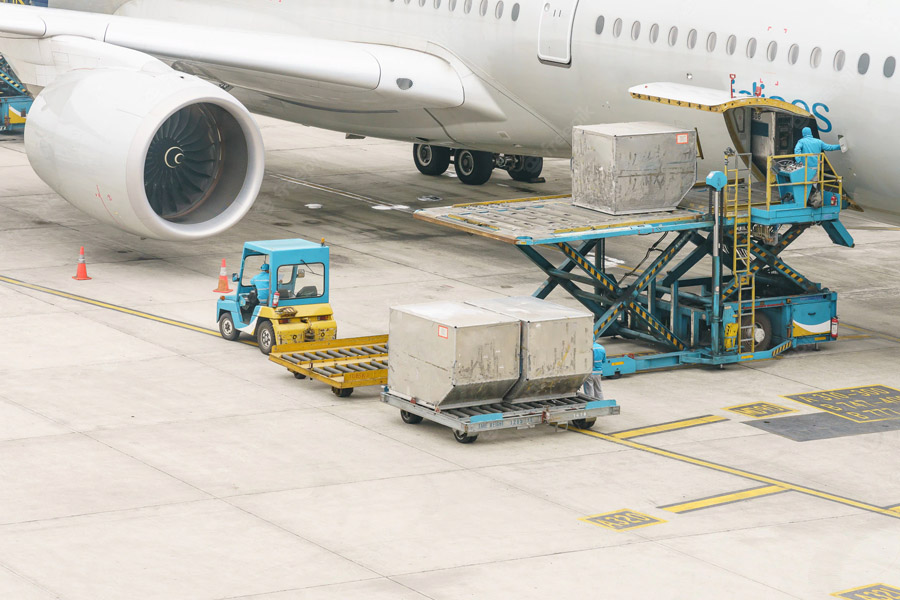
Improperly loaded or secured cargo that shifts in flight can affect aircraft weight and balance, potentially with serious consequences. Cargo loading procedures that verify the weight and distribution of cargo before departure, and that confirm proper securing of all cargo before the aircraft doors close, are a direct safety control that varies in rigor between operators.
Time-Sensitive Cargo Operations
Cargo missions involving time-sensitive shipments, including medical supplies, transplant organs, emergency equipment, and time-critical freight, create operational pressure to depart quickly. The safest operators maintain the same safety standards under time pressure as they do for routine missions, because the time sensitivity of the cargo does not change the safety requirements of the flight.
Coordination With Ground Handling
Ground handling coordination for cargo operations, including the handoff between ground staff and flight crew for weight and balance confirmation, cargo manifest verification, and dangerous goods documentation review, is a safety-critical interface that well-organized cargo operators manage through clear procedures rather than informal communication.