A gutter installation project may seem straightforward until homeowners begin comparing contractors and their proposals. Different providers may recommend different materials, installation methods, and drainage arrangements for the same property. Without understanding these differences, selecting a contractor based solely on price can lead to unexpected expenses or disappointing results.
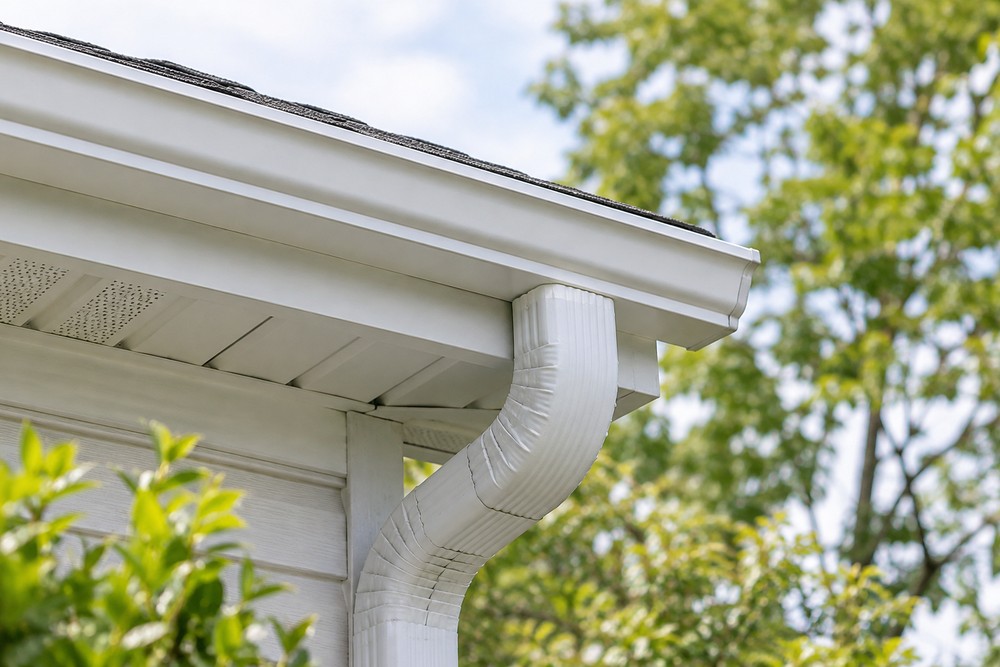
Gutters collect rainwater from the roof and direct it toward designated drainage areas. Their performance depends on correct sizing, secure attachment, appropriate slope, and effective downspout placement. Poor installation can allow water to overflow, collect near foundations, or damage exterior building materials.
Choosing a Gutter Company requires more than reviewing a service description or requesting a quick estimate. Homeowners researching providers such as Legacy Gutter Solutions should examine project specifications, contractor qualifications, and installation expectations before committing. Understanding these considerations makes it easier to evaluate proposals and identify potential problems before work begins.
Understanding What a Gutter Contractor Should Evaluate
A contractor should examine the property’s roofline, drainage conditions, and existing gutter system before recommending installation work. These observations influence the type and size of gutters required. They also determine whether additional downspouts or drainage adjustments may be necessary.
Roof area, roof pitch, and rainfall intensity affect the volume of water entering a gutter system. Long roof sections may require carefully planned outlets to manage runoff. Contractors should explain how their proposed design accommodates these conditions.
Roof Structure and Existing Drainage Conditions
The condition of fascia boards deserves attention during the initial inspection. Deteriorated wood may not provide adequate support for new gutter attachments. Installing gutters over damaged materials could create problems even when the gutters themselves are correctly manufactured.
Existing downspout locations should also be reviewed. Water discharged beside a foundation may contribute to persistent soil saturation. Contractors should identify suitable discharge locations and explain whether additional drainage work falls within their proposal.
Comparing Gutter Materials and Installation Options
Gutter materials differ in weight, corrosion resistance, appearance, and maintenance requirements. Aluminum, steel, copper, and vinyl are common options, although their suitability varies by property. Material selection should reflect environmental exposure, building design, and expected maintenance.
Aluminum gutters are widely used because they resist rust and are relatively lightweight. Steel offers strength but requires appropriate corrosion protection. Copper develops a distinctive surface appearance over time, while vinyl systems have different expansion and durability considerations.
Seamless and Sectional Gutter Systems
Seamless gutters are generally fabricated in continuous lengths for individual roof sections. Fewer joints along straight runs reduce the number of potential leakage points. Corners, outlets, and connections still require appropriate sealing and installation.
Sectional systems use shorter pieces connected during assembly. Their joints create additional locations that may eventually require inspection or maintenance. Homeowners should compare installation requirements and long-term repair considerations before selecting either approach.
Selecting Appropriate Gutter Dimensions
Gutter size affects the amount of runoff a system can carry. Undersized gutters may overflow during heavy rainfall, particularly where large roof sections drain into limited outlets. Downspout capacity and placement influence performance as well.
A contractor should explain the reasoning behind recommended dimensions. Roof drainage calculations provide a stronger basis for selection than appearance alone. Homeowners should also ask whether unusual roof configurations require special attention.
Checking Contractor Qualifications and Work Practices
Contractor qualifications influence how installation responsibilities and potential problems are handled. Requirements for licensing, registration, and insurance vary by jurisdiction. Property owners should verify applicable requirements rather than assuming every contractor operates under identical rules.
When comparing Legacy Gutter Solutions with other providers, homeowners should focus on verifiable information and clearly documented work practices. Written estimates, appropriate insurance documentation, and understandable installation procedures provide useful evaluation criteria. Unsupported promotional claims offer less practical information.
Insurance and Property Protection
Gutter installation frequently involves ladders, elevated work areas, and equipment positioned near landscaping or exterior finishes. These activities create potential safety and property damage concerns. Contractors should explain their procedures for protecting surrounding areas.
Homeowners should request relevant insurance information and verify coverage where appropriate. They should also clarify responsibility for accidental damage. Clear documentation reduces uncertainty if an unexpected incident occurs.
Installation Methods and Attachment Details
Gutters must remain securely attached while carrying water and accumulated debris. Fastener selection, spacing, and attachment methods depend on the gutter system and supporting structure. Improper fastening may allow sagging or separation.
Ask contractors how they evaluate fascia condition and determine attachment requirements. Installation should follow applicable manufacturer instructions and building requirements. These details matter more than simply describing the system as durable.
Reading Gutter Installation Estimates Carefully
A detailed estimate should identify materials, gutter dimensions, downspout quantities, and the proposed installation scope. It should also explain whether removing existing gutters is included. Without these details, comparing contractor prices becomes difficult.
A Gutter Company may provide separate charges for fascia repairs, disposal, additional outlets, or drainage extensions. These expenses should be identified before installation whenever reasonably possible. Homeowners should request written clarification about items excluded from the quoted price.
Identifying Potential Additional Charges
Hidden deterioration sometimes becomes visible only after old gutters are removed. Rotten fascia, damaged trim, or unsuitable attachment surfaces may require repairs. Such conditions can affect the original project cost.
Contractors should explain how unexpected work will be documented and approved. Written change orders establish the additional scope and price before work proceeds. This process reduces disagreements when the final invoice is prepared.
Understanding Payment and Scheduling Terms
Payment schedules should identify deposit requirements, progress payments, and the conditions for final payment. Homeowners should confirm that these arrangements comply with applicable local rules. Written terms establish expectations for both parties.
Installation timelines should account for material availability, weather conditions, and property access. Ask how delays will be communicated and whether the contractor coordinates any required inspections. Clear scheduling arrangements make household planning easier.
Evaluating Communication and Project Responsibilities
Contractor communication affects how smoothly a project progresses. Homeowners should know who will supervise installation, answer questions, and address unexpected conditions. Unclear responsibilities may create confusion once work begins.
During discussions involving Legacy Gutter Solutions or another contractor, property owners should request explanations that connect recommendations to actual building conditions. Contractors should be able to describe proposed drainage paths and material choices. Clear reasoning supports better comparisons than broad assurances.
Questions About Cleanup and Final Inspection
Installation may produce discarded metal pieces, old fasteners, packaging, and removed gutter sections. Contractors should explain how these materials will be collected and disposed of. Landscaping and exterior surfaces should receive appropriate protection during work.
Homeowners should also ask how completed installations are checked. A final review may examine attachment security, gutter alignment, outlet connections, and visible drainage concerns. Any outstanding corrections should be documented before project completion.
Making a Contractor Selection Based on Clear Evidence
Selecting a gutter contractor involves evaluating technical recommendations, written agreements, and the condition of the property. A detailed proposal should explain how the proposed system will collect and direct roof runoff. Material specifications and installation responsibilities should remain clear throughout the process.
Before hiring a Gutter Company, homeowners should compare proposals using consistent criteria and investigate unexplained differences. Confirming drainage arrangements, repair responsibilities, and payment terms reduces avoidable uncertainty. A carefully reviewed agreement provides a practical foundation for installation work and future gutter maintenance.
Building Confidence Through Better Project Preparation
Successful gutter installation begins with understanding the property’s drainage requirements rather than choosing the lowest advertised price. Roof configuration, supporting materials, outlet placement, and installation methods all influence the finished system. Each deserves attention during contractor discussions.
Homeowners should retain written proposals, clarify exclusions, and confirm how unexpected repairs will be handled. Reviewing these details before signing creates realistic expectations for the project. A well-defined scope also makes it easier to assess completed work and maintain the gutter system over time.