A scheduled cleaning visit works best when the home is reasonably accessible before the work begins. Shoes across a hallway, paperwork covering a table, toys on the floor, or personal products filling a bathroom counter can block surfaces that need attention. Removing these obstacles does not mean cleaning the house before someone arrives to clean it.
Preparation is mainly about separating personal organization from cleaning work. Cleaners can spend more of the scheduled visit addressing floors, fixtures, counters, and other surfaces when they do not have to determine where household belongings belong. A few simple preparations also make priorities easier to communicate before work starts.
The goal is to create access without turning preparation into another major chore. Homeowners working with expert cleaners in Monmouth County can think about which rooms matter most, which belongings need to be moved, and whether any surfaces require particular care. A short pre-visit routine keeps the focus on the cleaning tasks the household actually wants addressed.
Clear Personal Belongings From Busy Floors
Floors are among the easiest areas to block unintentionally. Children’s toys, shoes, bags, laundry, charging cables, pet items, and other belongings may prevent sections of carpet or hard flooring from being reached easily. Moving these objects before a visit creates a clearer working area.
Items should be returned to their normal places rather than transferred from one floor to another. Placing everything on a bed or sofa simply moves the obstruction and may make another surface inaccessible. Even ten minutes spent collecting loose belongings can create noticeably better access throughout several rooms.
This preparation is especially useful in bedrooms and shared living spaces where personal possessions accumulate during the week. It also reduces uncertainty about where objects should go. Household members know the proper location for their belongings better than visiting Cleaners do.
Make Kitchen Counters Easier to Reach
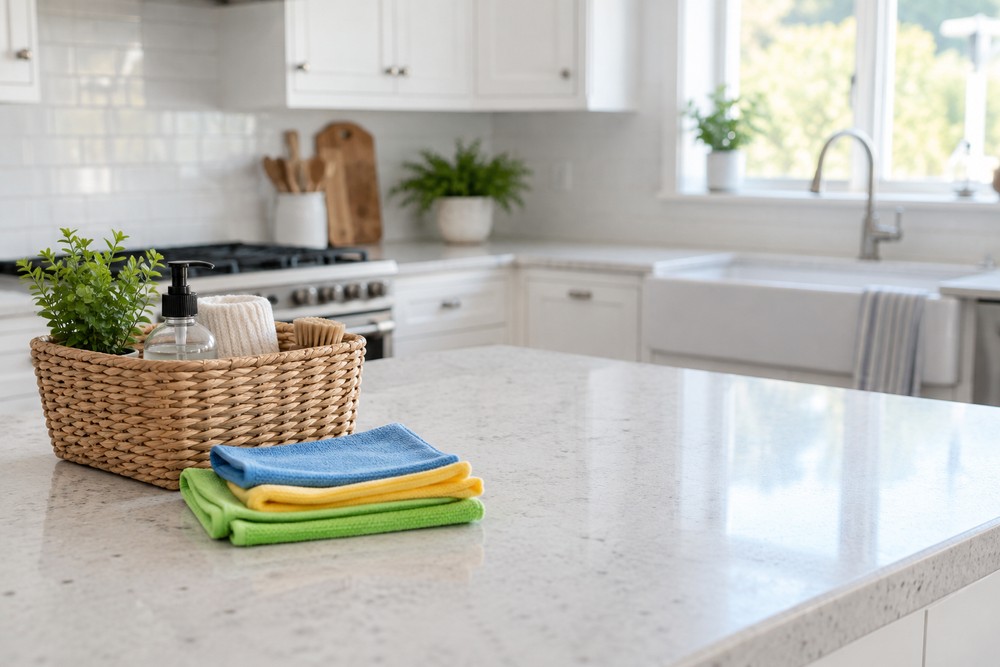
Kitchen counters frequently hold appliances, food containers, dishes, mail, bottles, and items waiting to be put away. Some objects belong there permanently, while others simply accumulate because the counter provides a convenient temporary surface. Distinguishing between the two makes preparation much easier.
Start with items that clearly have another storage location. Put away groceries, deal with loose paperwork, and move dishes to their appropriate place. Appliances or objects normally kept on the counter do not automatically need to disappear simply because cleaning is scheduled.
Shorely Clean fits into a practical household routine where accessible surfaces allow attention to remain on cleaning rather than personal organization. Homeowners do not need to create completely empty counters. The useful goal is to remove unnecessary clutter so commonly used work areas are reasonably accessible.
Deal With Food and Dishes Separately
Food preparation can create work that is different from surface cleaning. Leftover food, cooking utensils, and a sink full of dishes may occupy areas that would otherwise be available for cleaning. Handling these items beforehand keeps kitchen access straightforward.
This does not require making the kitchen spotless. A recently used appliance or normal household item can remain where it belongs. Preparation should remove avoidable obstacles, not duplicate the work planned for the visit.
Reduce Bathroom Counter Clutter
Bathroom counters can become crowded quickly because many small products are used there every day. Toothbrushes, cosmetics, grooming tools, medications, bottles, and personal accessories may leave little exposed surface. Cleaning around each object individually takes more time and can leave small sections difficult to reach.
Personal or sensitive items are better stored before the visit. Products used every day can be grouped in a suitable container or returned to cabinets and drawers when practical. A clearer counter also makes it easier to see which areas have water marks, dust, hair, or product residue.
Homeowners should not feel required to empty every bathroom cabinet. Interior storage is different from clearing exposed surfaces unless a specific cleaning arrangement says otherwise. Focus preparation on areas that Cleaners are reasonably expected to access.
Decide Which Rooms Matter Most Before the Visit
Not every room necessarily has the same priority on every cleaning day. A heavily used kitchen or family bathroom may need more attention after a busy week, while a guest room that remained closed may need very little. Identifying those differences beforehand makes household priorities clearer.
Walk through the home and notice where visible dirt or buildup has developed. Look at frequently used floors, counters, sinks, fixtures, furniture areas, and other surfaces included in the planned work. This quick review is more useful than creating a long list of every minor imperfection in the house.
Priorities may also change from one visit to another. Guests, family activities, pets, cooking, or changes in work schedules can shift household traffic. A useful cleaning plan should have enough flexibility to reflect those changes.
Put Away Fragile and Personally Important Objects
Decorative items and personal possessions deserve consideration before cleaning begins. Small fragile objects positioned near the edge of a shelf or table can make the surrounding surface harder to access. Items with personal or financial importance may also be better stored securely.
Homeowners know which possessions need special handling. Moving delicate keepsakes, important paperwork, jewelry, or unstable decorations removes uncertainty and gives the surrounding surfaces more room. This step is about sensible preparation rather than assuming that ordinary household objects present a problem.
Permanent decorations do not necessarily need to be removed. The decision depends on their placement and how much access they restrict. A few carefully chosen adjustments are usually more practical than stripping every shelf and table before each visit.
Keep Pets Secure and Comfortable
Pets add another consideration to cleaning preparation. Some animals are curious about unfamiliar activity, while others may become nervous around equipment, movement, or people entering different rooms. Planning where a pet will stay can reduce interruptions during the visit.
The appropriate arrangement depends on the animal and the home. A pet might stay in a secure room, crate, enclosed outdoor area, or another suitable location chosen by the owner. Food bowls, toys, and bedding should also be considered if the surrounding floor is expected to receive attention.
Cleaners should not have to make decisions about controlling or relocating an animal while trying to complete household tasks. Preparing a safe location beforehand keeps responsibility clear. It also allows household members to choose an arrangement that suits their pet.
Communicate Surface Concerns Before Work Starts
Homes contain many different materials, and some require specific care. Natural stone, finished wood, delicate furniture, specialty flooring, or recently treated surfaces may not respond well to every cleaning method. Homeowners who know about special care requirements should communicate them clearly.
Manufacturer instructions or known material restrictions provide useful information when available. Guessing about an unusual surface is less sensible than identifying it beforehand. The same principle applies to damaged areas that might be affected by moisture or normal cleaning activity.
A visit involving Shorely Clean can be prepared for by identifying such concerns before work begins instead of mentioning them after a surface has already been addressed. Clear information establishes which areas need different treatment or should be avoided. It also keeps the discussion specific to actual household materials.
Leave Enough Access to the Main Cleaning Areas
Preparation does not require completing the cleaning in advance. Homeowners mainly need to create reasonable access, store belongings that require personal decisions, manage pets, and communicate unusual priorities. The distinction prevents a scheduled visit from creating unnecessary work beforehand.
Cleaners are there to address the agreed cleaning tasks, so scrubbing sinks, vacuuming floors, or wiping every counter before they arrive defeats much of the purpose. Personal organization is different because only household members know where many belongings should be stored. Handling that part first leaves more accessible space for the actual cleaning work.
A short preparation routine is usually enough. Clear obstructed floors, reduce excess counter clutter, secure important belongings, and identify any special surface concerns before the visit begins. Once those details are handled, the home is ready for cleaning without requiring homeowners to clean it twice.