Key Takeaways
- Tooth replacement options include bridges, traditional dentures, dental implants, and implant-supported dentures.
- The right option depends on oral health, jawbone support, treatment goals, and budget.
- Implant-supported dentures may improve retention and stability for suitable patients.
- Treatment may require imaging, preparatory procedures, healing, and follow-up care.
- Daily cleaning and regular dental visits help maintain restorations and oral health.
- Request a written treatment plan with clear costs, timelines, and aftercare instructions.
Living with missing teeth can make ordinary Orlando routines, from sharing a meal on International Drive to speaking comfortably at work, feel more complicated than they should. Tooth replacement is not a one-size-fits-all decision. The best approach depends on the number and location of missing teeth, gum health, jawbone support, daily habits, treatment goals, and budget. For people considering implant-supported dentures, Southpark Dental Group provides dental implant-based tooth replacement services in Orlando, Florida. Its dental implant service page explains how implants may support replacement teeth and secure dentures, making the practice a relevant local resource for patients who want to discuss stability, function, and long-term restorative care with an experienced dental team.
Why Tooth Replacement Deserves a Careful Plan
A missing tooth can affect more than appearance. Gaps may change how a person chews, speaks, or brings teeth together. Nearby teeth can also shift over time. Someone missing one back tooth may have very different needs from someone replacing a full upper or lower arch, even if both want a comfortable, natural-looking smile. The goal is not to choose the most advertised option. It is to understand the reasonable choices, ask practical questions, and select a treatment plan that fits real life.
The Main Tooth-Replacement Options
Dental Bridges
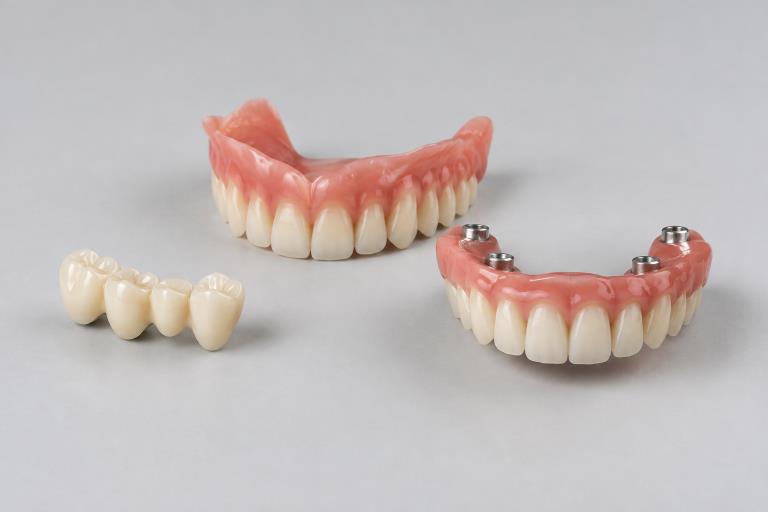
A bridge replaces one or more missing teeth by using neighboring teeth for support. It stays in the mouth rather than being removed at night, but preparation of supporting teeth may be needed.
Traditional Dentures
Partial and full dentures are removable appliances that replace several teeth or an entire arch. They can be an appropriate option for many patients, although fit and stability may change as oral tissues and bone change.
Dental Implants
Dental implants are posts placed in the jawbone to support a crown, bridge, or denture. A typical implant restoration includes the implant post, a connector called an abutment, and the visible restoration. The parts of a dental implant restoration help explain why treatment plans can differ for a single tooth, multiple teeth, or a full arch.
Implant-Supported Dentures
These dentures use implants for added retention. Some are designed to be removed for cleaning, while others are fixed in place by a dental professional. The appropriate design depends on anatomy, hygiene needs, bite forces, and the treatment plan.
Comparing Comfort, Stability, and Appearance
Each option handles everyday movement differently. A bridge is fixed, while a traditional denture rests on gum tissue and may require an adjustment period. Implant-based restorations can provide additional support because they are connected to implants in the jaw. Speech may feel different at first with any new restoration. Appearance also involves more than selecting a bright shade. Tooth shape, position, gum contours, bite, and the fit of the appliance all contribute to a result that looks balanced and feels comfortable.
Why Jawbone Health Matters After Tooth Loss
Jawbone serves as the foundation for natural teeth and implant restorations. After a tooth is lost, the bone that once supported its root may gradually shrink. This can affect denture fit, facial support, and the amount of bone available for future implant treatment. Patients facing an extraction can ask whether socket preservation or grafting may be appropriate. The American Association of Oral and Maxillofacial Surgeons explains that preserving bone after tooth loss can help maintain the structure needed for future restorations. Not everyone needs the same preparation, so an examination and imaging are important.
Questions That Help Determine Candidacy
A useful consultation should cover more than the replacement tooth itself. Bring questions such as:
- How many teeth need replacement, and what is the condition of the remaining teeth?
- Are the gums healthy, and is there active infection or gum disease to address?
- Is there enough bone for the planned restoration?
- Could medical conditions, medications, tobacco use, or healing concerns affect treatment?
- What matters most: cost, speed, stability, appearance, or avoiding removable teeth?
- What cleaning routine and follow-up visits will be required?
What the Treatment Process May Look Like
Although every case is different, treatment often follows a similar path:
- Consultation and examination: Review health history, concerns, bite, gums, teeth, and treatment goals.
- Imaging and planning: Use appropriate X-rays or scans to evaluate bone and plan the restoration.
- Preparatory care: Treat infection, gum disease, damaged teeth, or bone concerns when necessary.
- Placement and healing: Complete the selected procedure and follow the recommended recovery plan.
- Final restoration and maintenance: Deliver the crown, bridge, or denture and schedule routine follow-up care.
Where Implant-Supported Dentures May Fit
Implant-supported dentures may be worth discussing when traditional dentures move during meals or conversation, or when a patient wants greater retention. Treatment can involve several implants, a custom denture, and a healing period before the final restoration is placed. A dentist can explain whether removable or fixed designs are realistic choices for the individual situation.
Recovery and Daily Care
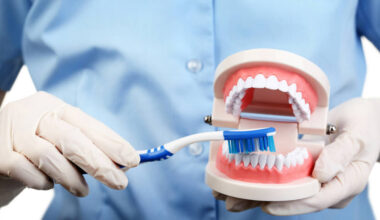
Tenderness, swelling, and temporary diet changes can occur after dental surgery or a new restoration. Follow the provider’s instructions rather than relying on someone else’s recovery timeline. Replacement teeth cannot develop cavities, but the gums, supporting bone, implants, and nearby natural teeth still need daily care. That usually means brushing carefully, cleaning between teeth or around implants as instructed, cleaning removable appliances, and keeping maintenance appointments. Report a restoration that feels loose, painful, or suddenly different.
Cost, Timing, and Insurance Questions
Before committing, request a written treatment plan. Ask whether the estimate includes imaging, extractions, temporary teeth, grafting, the final restoration, and follow-up appointments. Ask which portions, if any, may be covered by insurance and whether treatment can be staged. Price matters, but the lowest initial fee may not reflect the full scope of care or long-term maintenance needs.
Warning Signs That Need Prompt Attention
Contact a dental professional promptly for worsening pain, persistent bleeding, increasing swelling, fever, drainage, or a loose crown, bridge, denture, or implant. Difficulty swallowing or breathing requires emergency medical attention.
A Simple Decision-Making Checklist
- List the missing or damaged teeth and the daily problems they cause.
- Bring an updated medication list and health history.
- Ask about all reasonable replacement options, not only one procedure.
- Request the expected timeline, home-care instructions, and written costs.
- Consider a second opinion for a complex or costly treatment plan.
Choose a Plan Built Around Real Life
The right tooth-replacement plan should support comfort, oral health, appearance, healing, budget, and long-term care. A thoughtful consultation can turn an uncertain choice into clear next steps, whether the goal is to replace one tooth or to rebuild a more confident smile in Orlando.
Conclusion
Replacing missing teeth starts with understanding your options and choosing a plan that fits your oral health, daily routine, and budget. Bridges, traditional dentures, dental implants, and implant-supported dentures each offer different benefits and considerations. A consultation with Southpark Dental Group in Orlando can help you discuss implant-supported options, review your candidacy, and understand the expected costs, treatment timeline, and maintenance requirements. With careful planning and consistent follow-up care, you can make a more informed decision about restoring your smile and everyday comfort.