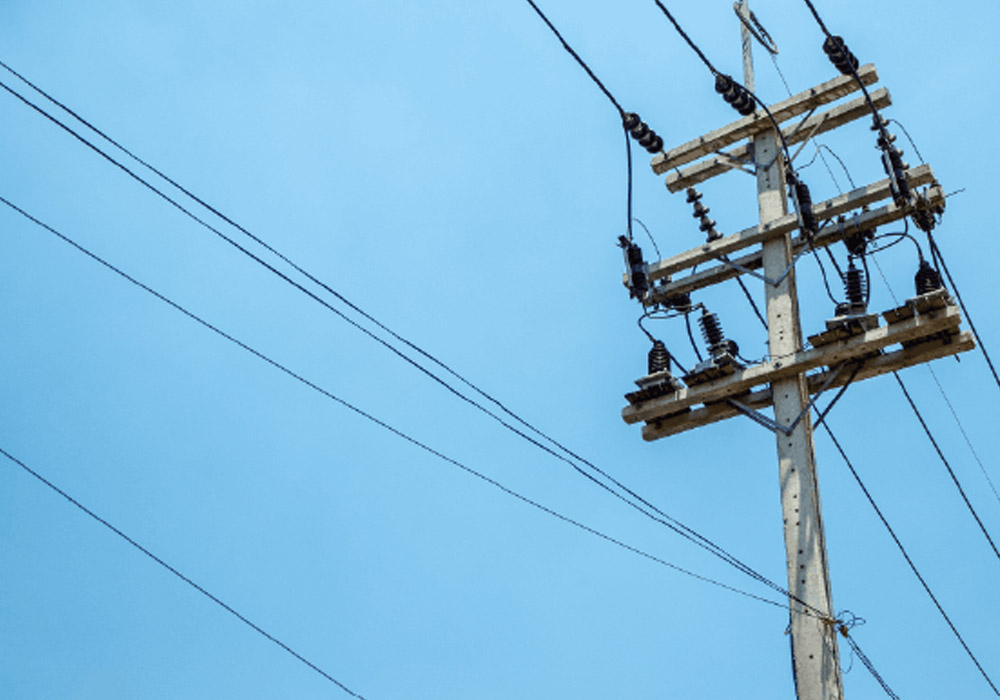
A single utility pole rarely serves one purpose for long. Electric distribution lines may share space with fiber optic cable, cable television lines, and wireless equipment, sometimes within a few years of installation. For utilities, cooperatives, and municipalities, this shared use changes how poles should be specified, budgeted, and maintained. Planning it at the design stage tends to cost far less than reacting to it later.
Why Joint Use Changes the Engineering Picture
Every attachment adds a load. Cables increase the surface area exposed to wind, and in colder regions, ice accumulation on those cables adds significant weight. Wireless equipment mounted on a pole adds both weight and wind area. When attachments accumulate beyond what the original design assumed, the pole can exceed its rated capacity, which raises the risk of failure during severe storms.
This is why pole loading analysis has become a routine step before new attachments are approved. Engineers evaluate the combined effect of conductors, communication lines, equipment, and guying against the structure’s strength, using the load cases that apply to the region.
Material Choices and Long-Term Predictability
Wood poles remain common in distribution, but natural variation in wood strength and gradual decay make their capacity harder to predict over decades. Steel poles are manufactured to defined specifications, so their strength is consistent from one unit to the next. Light-duty steel designs built as wood pole equivalents follow established standards such as RUS Bulletin 1724E-214 and ASCE/SEI-48, which simplifies their use within existing distribution lines.
Coordinating Space on the Pole
Joint use poles are divided into zones. Electric supply conductors sit at the top, communication lines are placed lower, and a required separation between them protects workers who maintain communication facilities. When a utility treats each pole as a telecom structure as well as a power structure from the outset, it can reserve height and capacity for future attachments rather than replacing poles each time a new provider requests space.
The Financial Case for Planning Ahead
Pole replacement triggered by a single attachment request is expensive and slow. It involves engineering review, crew scheduling, transferring existing facilities, and coordination among multiple owners. This preparation, known as make-ready work, is where many deployment schedules slip, and delays can hold up broadband projects that communities are waiting on. Specifying taller or stronger structures during scheduled replacements spreads the cost over a planned cycle instead of absorbing it as an unplanned expense.
Protective finishes also affect lifecycle costs. Galvanizing, weathering steel, and below grade coatings address corrosion near the ground line, where moisture and soil conditions typically cause the most deterioration.
Resilience as a Shared Responsibility
When a pole fails, it can take power and communications at the same time, affecting emergency services, businesses, and residents. Structures designed with reserve capacity reduce that combined exposure. Accurate attachment records, periodic inspections, and updated loading analyses keep that reserve from gradually eroding as new equipment is added.
Looking Ahead
Demand fiber and wireless coverage continues to grow, and utility rights-of-way remain among the most practical routes for deployment. Utilities that plan poles around shared use, rather than single use, are better positioned to control costs, maintain reliability, and support the communities they serve.