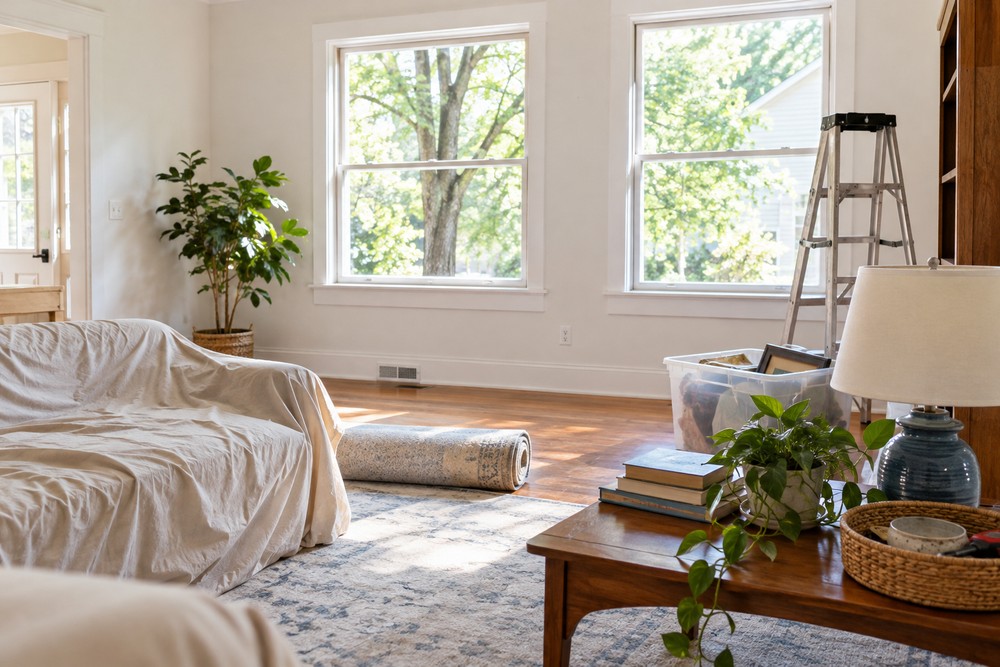
A window project affects more than the openings where work will occur. Installers may need clear access inside rooms, workable paths around the exterior, and enough space to handle materials safely. Preparing these areas beforehand can reduce avoidable obstacles once the project is underway.
Household routines also deserve consideration before work begins. Furniture, curtains, decorations, pets, landscaping, and outdoor belongings can all affect access around a window. Addressing these details early gives homeowners time to organize their property without rushing immediately before the crew arrives.
Preparing for window installation Kalamazoo projects is easier when homeowners understand which areas will become temporary work zones.Character Exteriors can provide project-specific information about access and preparation requirements. Following those instructions is more useful than making assumptions about how much space installers will need.
Start by Confirming Which Windows Are Included
Preparation becomes more manageable when homeowners know exactly which openings are part of the project. Walking through the house with the project scope in mind can help identify furniture, decorations, electronics, or other belongings near those locations.
Some rooms may require more preparation than others. A relatively empty bedroom could need little adjustment, while a furnished living room or busy kitchen might require additional planning to provide suitable access.
Homeowners should confirm questions about included openings before moving large amounts of furniture. This prevents unnecessary work in rooms that will not be affected by the scheduled project.
Create Practical Access Around Interior Work Areas
Furniture positioned near windows can interfere with access. Beds, sofas, desks, tables, shelving, and other large pieces may need to be moved depending on the amount of working space required.
Homeowners should ask how much clearance is appropriate rather than choosing an arbitrary distance. Installers can explain what their particular project requires based on the openings, products, and planned work.
Character Exteriors can communicate preparation expectations before work begins. Having those details early allows residents to rearrange rooms gradually instead of attempting several heavy moves on installation morning.
Protect Small Belongings From Accidental Disruption
Small objects near work areas can be easy to overlook. Lamps, framed photographs, plants, electronics, decorative pieces, and other belongings may sit on furniture or shelves close to a window.
Moving these items beforehand helps create a less crowded workspace. It also gives homeowners control over where personal or fragile possessions are stored during the project.
Remove Window Coverings When Instructed
Curtains, blinds, shades, and other coverings occupy the immediate window area. Depending on the project, some or all of these items may need to be removed before work begins.
Homeowners should confirm what installers expect them to take down. Hardware, mounting arrangements, and surrounding trim can vary, making project-specific guidance more useful than assuming every covering must be handled identically.
Removed items can be labeled by room if several windows are involved. This simple step can make reinstallation and room organization easier after the work area is ready for normal use again.
Check Walls and Shelves Near the Work Zone
Window installation may involve activity around surrounding wall areas, so nearby decorations deserve attention. Pictures, mirrors, clocks, or decorative objects positioned close to an opening may be better stored temporarily.
Homeowners can also inspect shelves located near the planned work zone. Fragile objects can be moved even when the shelving itself does not interfere with access.
Preparation should remain focused on relevant areas. Emptying an entire room is generally unnecessary unless specific project instructions indicate that significantly more clearance will be required.
Plan Outdoor Access Before the Crew Arrives
Exterior preparation can be just as important as indoor preparation. Shrubs, patio furniture, grills, planters, toys, hoses, and decorative objects may occupy areas near windows.
Portable belongings can often be relocated before the scheduled work. Permanent landscaping requires a different approach, and homeowners should ask what access is needed rather than cutting or removing plants without guidance.
A clear route around affected areas can reduce unnecessary obstacles. Homeowners should also mention gates, fences, narrow passages, or other property features that could influence exterior access.
Consider Children and Pets During Active Work
Construction activity can introduce unfamiliar people, open doors, equipment, noise, and temporary changes to normal household boundaries. These conditions deserve planning when children or pets will be home.
Pets can be kept in an appropriate secure area away from active work zones. Homeowners should also consider how installers will enter and exit the property so animals are not unexpectedly given access to open doors or gates.
Children should remain clear of work areas and equipment. Planning an alternative room or activity before work begins can be easier than trying to establish boundaries after the household becomes busy.
Keep Essential Household Areas Functional
A project involving several windows can affect multiple rooms during the same period. Homeowners may therefore benefit from deciding which unaffected spaces will handle normal household activities while work is underway.
Work-from-home arrangements deserve particular attention. Noise or limited access to a room may make a temporary workspace elsewhere in the home more practical.
Meals, rest periods, and family routines can also be considered in advance. Preparation does not eliminate disruption, but it can prevent ordinary activities from depending on a room that is temporarily unavailable.
Ask About Parking and Material Access
Crews may need practical access for tools, materials, and equipment. Driveways or nearby exterior areas sometimes play a role in moving these items efficiently between vehicles and the home.
Homeowners should ask whether vehicles or personal belongings need to be relocated before the scheduled start. Doing so can prevent last-minute changes when workers arrive.
Character Exteriors can explain relevant access expectations for its planned work. Clear communication beforehand helps homeowners prepare only the portions of the property that actually need adjustment.
Plan for Cleanup and Room Resetting
Once window installation is complete, homeowners may need to return furniture, coverings, decorations, and other belongings to their normal positions. Planning this reset beforehand can make the transition easier.
There is no need to rush every object back immediately. Homeowners can first review the completed areas, follow any applicable project instructions, and confirm that they are ready for normal room use.
Window coverings and furniture can then be returned carefully. Items that were labeled or grouped by room are usually easier to organize than belongings moved quickly without a plan.
Thoughtful Preparation Can Make Project Day More Manageable
Good preparation focuses on access, household safety, and practical organization rather than unnecessary changes throughout the property. Clearing relevant furniture, securing fragile belongings, addressing window coverings, and preparing exterior paths can create more workable project areas.
Homeowners should base their preparation on instructions for their specific project. Window sizes, room layouts, landscaping, property access, and household routines can create different needs from one home to another.
A little advance planning can also make the household easier to manage while work is underway. By preparing affected spaces, arranging temporary routines, and keeping communication clear, homeowners can approach the project with fewer preventable obstacles and a more organized path back to normal room use.



