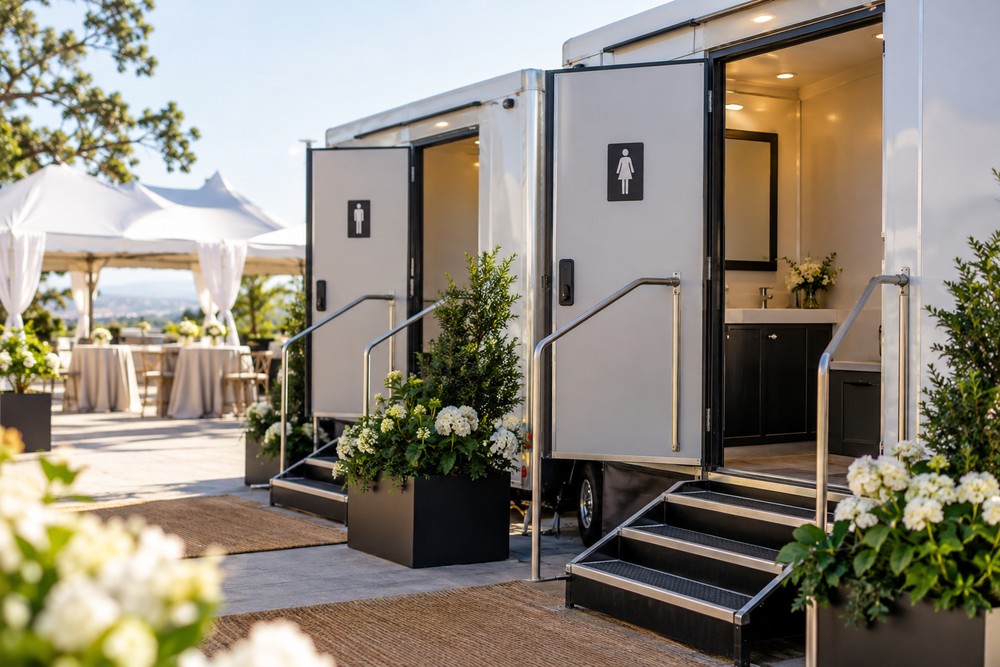
Corporate events often bring employees, clients, business partners, vendors, and invited guests together in settings outside traditional offices. Product launches, company celebrations, networking receptions, outdoor meetings, and recognition events can all require temporary facilities. Restroom planning becomes part of the broader event experience when permanent facilities are unavailable or cannot comfortably support expected attendance.
Professional gatherings also create expectations that differ from casual public events. Organizers may coordinate branded displays, catered meals, presentation areas, entertainment, and carefully arranged hospitality spaces. Luxury portable restrooms can complement this environment when organizers evaluate functionality, guest needs, and event operations rather than treating sanitation as an isolated logistical requirement.
Good planning begins well before guests arrive. Attendance, event duration, venue infrastructure, staff schedules, accessibility, and facility features all influence the appropriate arrangement. Golden Coast Restrooms operates within this temporary sanitation category, where restroom planning can be coordinated with other operational elements supporting a professional gathering.
Consider the Expectations Created by the Event Format
Corporate events vary widely in purpose and atmosphere. An employee appreciation picnic may be relatively casual, while an executive reception, client dinner, or formal awards program may create different expectations for guest facilities.
Organizers should consider how restroom facilities fit the level of hospitality established elsewhere. Guests who spend several hours at a polished outdoor venue may expect practical features that align with the rest of the setting. Interior layout, lighting, handwashing arrangements, and other available amenities can therefore deserve attention.
The objective is not to select features simply because they sound premium. Each choice should serve the actual event and the people attending it. A thoughtful match between facilities and event format keeps planning focused on usefulness.
Separate Guest Requirements From Staff Requirements
Corporate gatherings often involve more people than the official guest list suggests. Catering teams, production crews, security personnel, entertainers, technicians, photographers, and other workers may spend hours at the venue before attendees arrive.
These groups should be considered when estimating restroom demand. Staff members working through setup, the event itself, and breakdown may require access for considerably longer than invited guests.
Golden Coast Restrooms can be considered during this planning stage when organizers are identifying who will use temporary facilities. Looking beyond registered attendees creates a more realistic understanding of total demand throughout the operating period.
Review Interior Features Before Making a Selection
Facility descriptions can sound similar while offering different interior arrangements. Organizers should confirm which features are actually included instead of making assumptions based on a general category or photograph.
Luxury portable restrooms in San Diego may offer features suited to events where guests are wearing business or formal clothing. Available space, mirrors, lighting, sinks, and other interior details can influence usability during a long professional gathering.
Organizers should prioritize features that make sense for their audience. Understanding the facility beforehand also helps event teams answer practical questions from hosts, venue managers, and other stakeholders during preparation.
Think About How Long Guests Will Remain On-Site
Duration can affect the importance of restroom comfort. Guests attending a brief presentation may use facilities differently from attendees spending an afternoon moving between meetings, meals, and entertainment.
The complete schedule should therefore be reviewed before finalizing requirements. Setup and breakdown periods should also be considered when workers remain on-site beyond public event hours.
Coordinate Facilities With Catering and Hospitality Plans
Food and beverage service frequently plays a central role in corporate gatherings. Caterers may operate kitchens, serving stations, bars, dining areas, and cleanup zones that require substantial space behind the scenes.
Restroom planning should be coordinated with these activities so operational areas do not compete for the same resources or access. Temporary facilities need suitable space, while catering teams require uninterrupted routes for supplies, equipment, and waste handling.
Early coordination allows both services to be included in the working site plan. This approach reduces the possibility that one vendor’s setup creates unexpected difficulties for another after equipment has already arrived.
Include Accessibility in the Initial Facility Discussion
Corporate events may bring together attendees with a wide range of mobility needs. Accessibility should therefore be addressed during initial planning instead of being treated as a modification after other decisions have been finalized.
Organizers should discuss suitable facility options and confirm that the venue can support practical access. Ground conditions, pathways, temporary structures, and surrounding event equipment can influence whether facilities remain reachable.
Golden Coast Restrooms fits within this planning environment, where the restroom itself is only one part of accessible use. The approach to the facility and the surrounding event layout deserve consideration as well.
Prepare for Schedule Changes and Extended Programs
Business events do not always finish exactly when planned. Presentations may run longer, networking periods can be extended, and entertainment or dining schedules may shift as the program develops.
Temporary restroom arrangements should account for realistic operating hours rather than the shortest possible version of the schedule. Organizers should communicate expected timing clearly when coordinating rental requirements.
A schedule buffer can also help teams think through staff access before opening and after guests leave. Facilities may be needed during preparation and breakdown even when those hours do not appear on the public agenda.
Understand Site Requirements Before Event Setup Begins
Venues used for corporate gatherings range from private estates and outdoor campuses to temporary event grounds. Each property can present different limitations involving surfaces, utilities, vehicle access, and available space.
Organizers should confirm relevant requirements before tents, stages, displays, or furniture occupy the site. Luxury portable restrooms need to be incorporated into operational planning while the layout still has enough flexibility for adjustments.
A site plan can help different vendors understand how their requirements interact. Sharing essential logistical information early reduces last-minute decisions that could disrupt an otherwise organized setup.
Establish a Contact for Restroom-Related Questions
Large corporate events often involve several coordinators with different responsibilities. Without a clear point of contact, a minor concern can be reported to multiple people or assumed to be someone else’s responsibility.
Assigning a coordinator creates a straightforward communication path. That person can understand the rental arrangement, know relevant access details, and communicate concerns if conditions change during preparation or the event.
The process does not need to be complicated. A defined contact simply helps restroom logistics remain organized within a larger event involving many vendors and operational teams.
Integrate Temporary Facilities Into the Full Event Plan
Professional events work best when support services are planned as connected parts of one operation. Restrooms, catering, transportation, accessibility, security, production, and venue management can all influence how guests experience the day.
Temporary sanitation should therefore be considered during early logistical discussions rather than added after major decisions are complete. Evaluating attendance, duration, interior features, staff requirements, accessibility, and site limitations gives organizers a stronger foundation for selecting facilities.
Corporate hospitality depends on many details working quietly in the background. Thoughtful restroom planning supports that goal by providing practical facilities that suit the occasion without distracting from its purpose. Integrating sanitation into the broader operational plan helps create an organized environment for employees, clients, partners, and other invited guests.