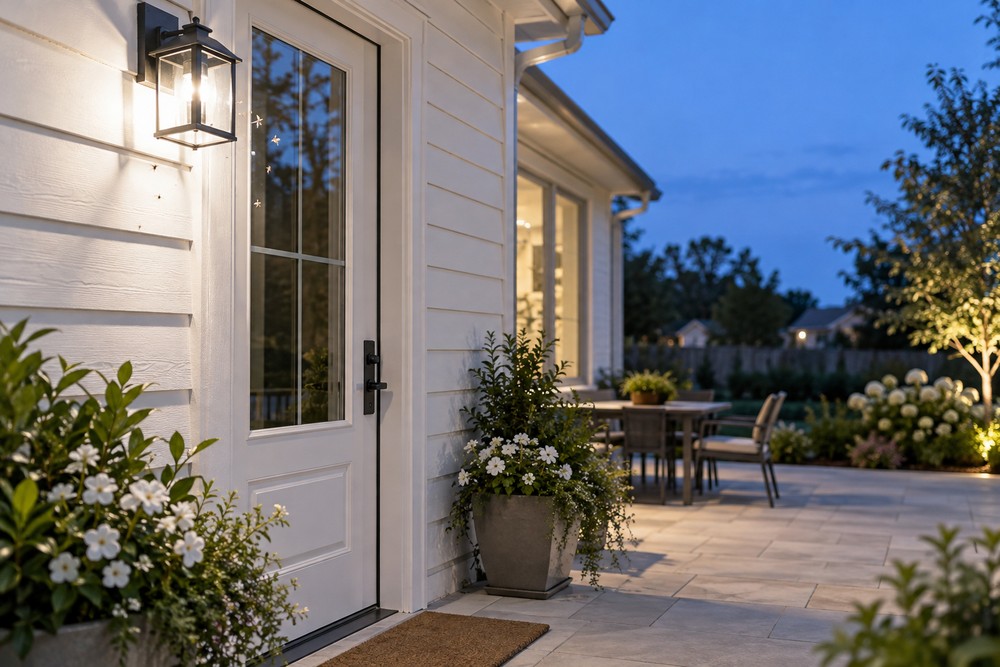
Outdoor lighting makes entrances, walkways, patios, and driveways easier to use after sunset. At the same time, certain insects respond to light, and evening household routines can unintentionally bring that activity closer to doors and windows. A bright fixture near an entrance may become a gathering point even when the interior of the home is clean and well maintained.
The presence of insects around a light does not automatically indicate an indoor infestation. Problems can develop, however, when outdoor activity is combined with open doors, damaged screens, gaps around frames, or other easy routes inside. Pest Control should therefore consider both what attracts activity toward the structure and how pests might move from outdoor spaces into the home.
Homeowners can learn a great deal by observing where insects gather after dark and whether indoor sightings occur near those same locations. Small adjustments to lighting and evening routines may reduce unnecessary attraction around frequently used entrances. CURA Termite & Pest Control can evaluate persistent activity when these patterns suggest that additional conditions around the property deserve attention.
Outdoor Lights Can Concentrate Insects Near Entry Doors
A porch light positioned directly beside a door can draw insect activity toward an area people repeatedly open and close. Every trip outside briefly creates an opportunity for insects already gathered near the entrance to move indoors. This can happen even when the door itself closes properly.
Homeowners should observe whether insects consistently gather around one fixture more than others. The pattern may be particularly noticeable during warmer evenings or at certain times of year. Recognizing where activity concentrates provides a practical starting point for evaluating the surrounding entrance.
The solution is not necessarily to keep a property dark. Outdoor lighting serves important purposes, and changes should preserve safe visibility around steps and walkways. The useful goal is to understand whether fixture placement is concentrating unnecessary activity immediately beside a frequently opened door.
Windows Can Become Another Focus of Evening Activity
Light escaping through windows can also be noticeable to insects outdoors. This becomes more relevant when a window is open or its screen is damaged, loose, or poorly fitted. Small defects that receive little attention during the day may become meaningful when insects are active nearby after sunset.
Homeowners can inspect screens for tears, separated edges, and gaps around frames. Window components should close as intended, and damaged sections can be addressed according to their construction. Curtains or blinds may change how much interior light is visible outdoors, but physical openings still deserve separate attention.
Pest Control works best when attraction and access are considered as different parts of the same situation. Reducing activity near a window will not correct a damaged screen. Similarly, repairing a screen does not explain why unusually heavy insect activity may be gathering around a particular exterior area.
Frequent Door Use Can Increase Opportunities for Indoor Entry
Evening routines often involve repeated movement between indoor and outdoor spaces. Family members may use a patio, take pets outside, carry food to an outdoor table, or move between the garage and house. Each door opening is brief, but frequent use increases the number of opportunities for nearby insects to enter.
Keeping doors open longer than necessary can make this effect more noticeable. A conversation at the threshold or repeated trips while carrying supplies may leave an illuminated interior directly accessible from outside. Simple awareness can reduce this exposure without changing how the household uses its outdoor spaces.
CURA Termite & Pest Control can consider the timing and location of indoor sightings when evaluating recurring pest concerns. If activity repeatedly appears near a heavily used evening entrance, that pattern provides useful context. Other possible entry points should still be inspected rather than assuming the door is the only route.
Damaged Weather Stripping Can Turn Attraction Into Access
A closed door is not necessarily a completely sealed boundary. Weather stripping can wear down, door sweeps can become damaged, and small gaps may develop where different parts of the frame meet. Light visible through a closed exterior door can sometimes make these openings easier to notice.
Homeowners can inspect accessible door edges during routine maintenance. Changes near the bottom corners deserve attention because these sections experience repeated movement and wear. Repairs should allow the door to continue operating and closing correctly.
Exterior lighting and door condition should be evaluated separately. A fixture may influence where insects gather, while a physical gap determines whether some can enter after the door closes. Addressing only one condition may leave the other unchanged.
Patio Dining Can Add Food Sources to the Evening Environment
Outdoor meals introduce another factor around patios and entrances. Crumbs, beverage spills, uncovered food, and overflowing waste containers may remain after people go indoors. These sources can attract different pests independently of any nearby lighting.
Cleaning tables and surrounding surfaces after use helps remove accessible residue. Trash containers should also be managed so that food waste does not remain exposed beside doors or gathering areas. Pet bowls and leftover food deserve similar attention when they are used outside.
The combination of food and shelter can make a patio more attractive than lighting alone. Looking at the entire setting prevents homeowners from blaming a fixture for activity that may have several contributing causes.
Check Beneath Furniture and Around Patio Edges
Outdoor tables, planters, grills, and seating can create sheltered spaces that are easy to overlook at night. Daytime inspection provides a better opportunity to check beneath these items and around nearby wall edges.
Debris and spilled food can accumulate in protected locations even when the main patio surface looks clean. Keeping these areas visible makes recurring activity easier to recognize and reduces hidden sources that may encourage pests to remain nearby.
Landscaping Near Lights Can Affect Where Activity Develops
Vegetation around a brightly lit wall or entrance can create additional shelter near the structure. Dense plants may also make exterior walls, window edges, and other building features more difficult to inspect. The issue is not simply whether landscaping exists, but how closely it crowds important areas.
Homeowners can maintain enough visibility to observe accessible exterior surfaces. Fallen leaves, plant debris, and other accumulated material should not be allowed to permanently hide areas where changes might otherwise be noticed.
CURA Termite & Pest Control can evaluate exterior pest patterns when activity remains persistent around entrances, landscaping, or illuminated areas. Observing the relationship between these features helps homeowners understand where insects are gathering instead of treating the entire exterior as one uniform problem.
Changing a Bulb Should Not Replace an Entry-Point Inspection
Homeowners sometimes focus entirely on the type or brightness of an outdoor light after noticing insects. Lighting may influence activity, but indoor pest problems usually require a broader look at possible access routes and surrounding conditions.
Doors, screens, utility penetrations, vents, and other accessible openings should remain part of the inspection. Pest Control can then address recurring activity with more context about where pests appear, when sightings occur, and what exterior conditions are present nearby.
This broader approach also prevents unnecessary changes. A household may discover that a damaged screen or frequently open patio door deserves more attention than a fixture several feet away. Observations should guide decisions rather than assumptions about a single cause.
Use Evening Patterns to Improve Everyday Prevention
Outdoor lights are only one part of the environment around a home after sunset. Open doors, damaged screens, food residue, landscaping, and repeated movement between indoor and outdoor areas can all influence whether exterior pest activity becomes an indoor concern.
Homeowners can observe these patterns without giving up useful exterior lighting or normal evening activities. Keeping entrances in good condition, cleaning after outdoor meals, maintaining visible exterior areas, and avoiding unnecessarily prolonged door openings are practical habits that support prevention.
The most useful approach connects attraction with access. Noticing where insects gather is the first clue, while examining how those areas relate to doors, windows, patios, and household routines provides the fuller picture. That understanding helps homeowners make targeted adjustments instead of reacting to every nighttime insect sighting as a separate problem.