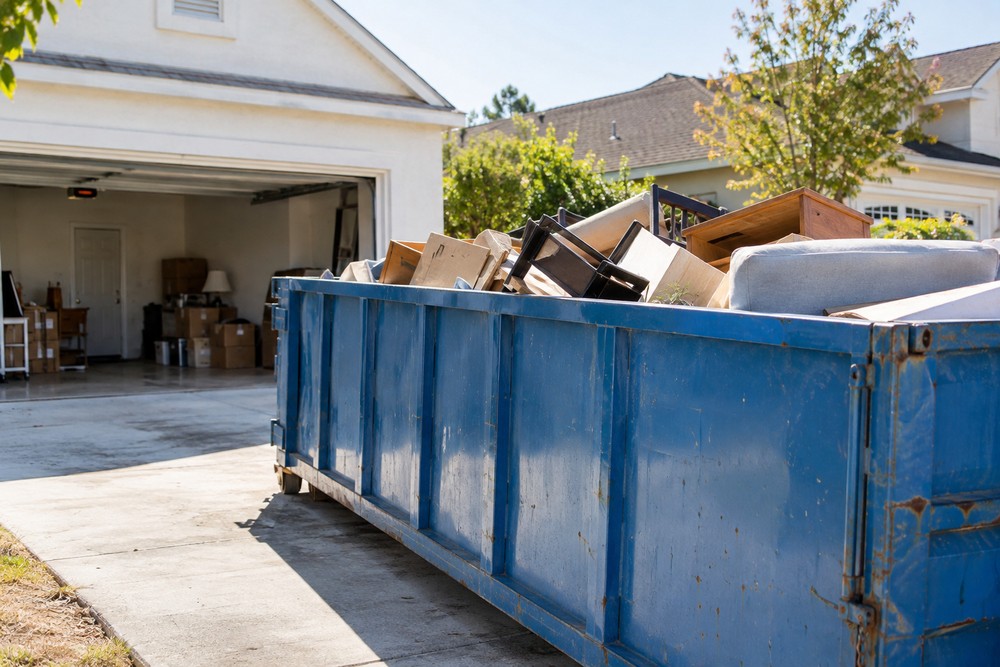
Moving to a new home often reveals just how many belongings have accumulated over the years. Closets, garages, spare rooms, cabinets, and outdoor storage areas can contain items that no longer fit a household’s plans. Sorting these possessions before packing begins can reduce the amount of unnecessary material that follows homeowners to their next property.
Dumpster Rental can support a moving or downsizing project when disposal is separated from packing and donation decisions. Instead of placing everything into moving boxes, homeowners can decide which belongings deserve transportation and which have reached the end of their useful life. This process can also make rooms easier to organize before photographs, showings, inspections, or final cleaning.
Monarch Dumpster Rental can become part of a broader property preparation plan once the amount of unwanted material is reasonably understood. The objective is not simply to empty the home as quickly as possible. A structured approach helps households protect important belongings, reduce moving volume, and leave spaces ready for their next purpose.
Start Decluttering Before Packing Supplies Take Over
Packing too early can create boxes filled with belongings that homeowners ultimately do not want. Those boxes then require transportation, unloading, and another round of sorting after the move.
Decluttering first allows each room to be evaluated while its contents remain visible. Homeowners can identify unused, damaged, duplicate, or outdated possessions before they disappear into sealed containers.
This sequence also makes packing more purposeful. Once unnecessary belongings are removed, boxes can be reserved for items that genuinely belong in the next home.
Sort Belongings According to Their Next Destination
Every item leaving a shelf does not need the same destination. Some possessions will move, while others may be sold, donated, recycled, given to relatives, or discarded.
Clear categories prevent useful belongings from becoming mixed with waste. Containers, labels, or designated areas can help everyone involved understand which items belong in each group.
Homeowners should resolve uncertain items regularly rather than allowing a large undecided pile to develop. Postponing too many decisions can slow progress as moving day approaches.
Use Downsizing Decisions to Reduce Moving Volume
A smaller future home may not have room for every piece of furniture or stored possession. Measurements and storage capacity can help homeowners decide what realistically fits.
Compare Large Furniture With the New Space
Beds, tables, shelving, cabinets, and oversized seating require particular consideration. Transporting a large item only to discover that it blocks movement or cannot fit comfortably creates unnecessary work.
Floor plans and room measurements can make these choices more practical. Decisions based on available space are often easier than deciding whether an item should remain simply because it has always been owned.
Clear Storage Areas Before Main Living Spaces
Garages, basements, attics, sheds, and utility rooms often contain belongings that have not been used recently. Beginning in these areas can remove substantial clutter without immediately disrupting everyday living spaces.
Old project materials, damaged storage containers, broken household items, and forgotten equipment may appear during this stage. Each item should still be reviewed before disposal.
Dumpster rental in Riverside County can support the removal stage once homeowners have separated approved waste from belongings requiring another destination. Keeping those categories distinct helps the cleanout remain controlled as larger storage areas are emptied.
Prepare Rooms for Real Estate Photography
A home being prepared for sale needs enough visual clarity for buyers to understand each room. Excess furniture and crowded surfaces can make spaces harder to evaluate in photographs.
Removing unnecessary belongings before photography can reveal flooring, windows, storage, and usable room dimensions. Homeowners do not need to remove every personal object, but visual clutter should not dominate the space.
The same preparation can simplify later packing. Items already identified as unnecessary will not need another decision after the property enters the market.
Keep Important Documents Away From Cleanup Areas
Moving often brings paperwork into the same rooms where sorting occurs. Property records, identification documents, financial papers, medical information, and moving documents can become mixed with ordinary household files.
Important papers should have a protected location before large-scale decluttering begins. Everyone helping with the project should know that this area is excluded from disposal.
Sensitive documents that are no longer needed may require appropriate destruction rather than ordinary disposal. Homeowners should review their contents before deciding how they should leave the property.
Address Damaged Items That Cannot Be Donated
Donation can reduce waste, but not every unwanted possession is suitable for reuse. Broken furniture, heavily damaged household goods, and unusable materials may need another disposal route.
Homeowners should check donation requirements instead of assuming every organization accepts the same items. This prevents rejected belongings from returning to an already organized property.
A clear distinction between reusable and unusable possessions keeps the project moving. It also prevents the disposal area from becoming mixed with items still intended for pickup or donation.
Coordinate Cleanup With the Moving Calendar
Decluttering should support the move rather than create another deadline immediately before departure. Homeowners can divide cleanup tasks across several weeks when their schedule allows.
A Dumpster Rental may be most useful after major sorting decisions are complete but before final packing consumes available workspace. This timing gives discarded belongings a defined destination while rooms remain accessible.
Major furniture decisions should also happen early. Waiting until movers arrive to determine what stays can increase confusion and leave unwanted pieces behind.
Leave Frequently Used Items Until Later
Not everything should be packed or removed immediately. Cooking tools, toiletries, cleaning supplies, clothing, medications, and basic household necessities may remain useful until the final days.
Creating a short list of essential items helps prevent accidental packing. These belongings can remain accessible while less frequently used possessions are organized first.
This approach makes the transition more comfortable. Homeowners can continue normal routines without repeatedly opening boxes to find items needed before departure.
Plan the Final Cleanup After Rooms Are Empty
Moving furniture can