Moving creates an unusual cleaning challenge because a home changes from an occupied living space into an almost empty property. Furniture disappears, cabinets are cleared, and areas hidden for months or years suddenly become visible. Cleaning during this transition requires a different plan from ordinary household maintenance because access, timing, and priorities change as packing progresses.
An organized approach can prevent cleaning from competing unnecessarily with movers, boxes, repairs, and final inspections. Move in/out cleaning works most efficiently when tasks follow the stages of the transition rather than beginning randomly in whichever room happens to be available. Empty spaces provide valuable access, but only when cleaning is coordinated with the broader moving schedule.
Homeowners, renters, landlords, and property managers may have different reasons for preparing a vacant residence. Some want to leave a property orderly for its next occupants, while others want a cleaner starting point before unpacking. Honeycomb Home Cleaning operates within this transition-focused category, where careful scheduling can help cleaning fit around the practical demands of moving.
Decide Whether Cleaning Should Happen Before or After Moving
Timing is one of the most important decisions in a residential transition. Cleaning too early can mean movers, packing materials, and repeated foot traffic create new debris after surfaces have already received attention. Waiting too long can create pressure when keys, inspections, or occupancy dates are approaching.
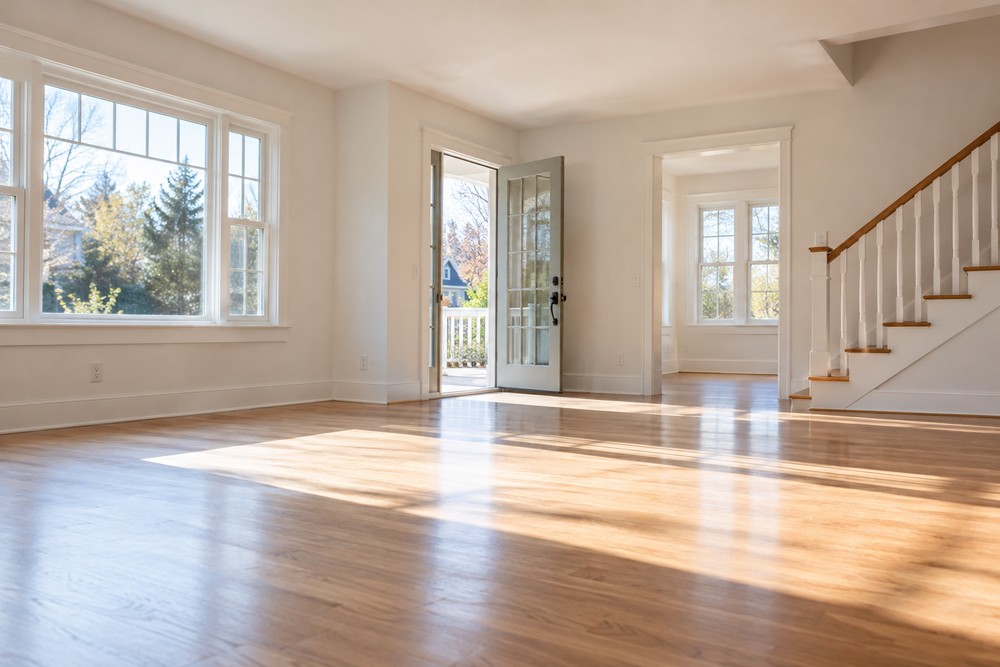
For a departing household, many tasks become easier after furniture and personal belongings have been removed. Open floors, empty closets, and cleared cabinets provide access to surfaces that were previously obstructed. Incoming residents may similarly prefer cleaning before boxes and furniture fill the rooms.
The ideal sequence depends on the property and moving schedule. Establishing that sequence early helps prevent cleaners, movers, contractors, and residents from needing the same spaces simultaneously.
Clear Personal Belongings Before Detailed Work Begins
Cleaning an empty room is different from cleaning around packed boxes and leftover possessions. Loose items can block baseboards, floors, shelves, and storage areas while making it difficult to determine which surfaces are actually ready for attention.
Residents should identify what will be moved, donated, discarded, or retained before the primary cleaning stage begins. This does not mean every moving task must be completed first, but spaces scheduled for cleaning should be reasonably clear.
Honeycomb Home Cleaning can be incorporated after major belongings are removed and accessible areas are ready. Clear rooms allow the work to focus on the property itself rather than repeatedly navigating objects that are still awaiting decisions.
Use Empty Rooms to Reveal Previously Hidden Areas
Furniture can conceal substantial sections of flooring and walls during everyday life. Beds, sofas, cabinets, desks, and storage units may remain in one location for years, leaving the surrounding areas outside normal cleaning routines.
Once those items are removed, dust, small debris, marks, and forgotten objects may become visible. These areas deserve attention because they will be immediately noticeable in an otherwise empty room.
Inspect Each Room After Furniture Is Removed
A brief inspection can identify areas requiring additional attention before cleaning starts. Looking around the entire room is more effective than assuming every newly exposed surface has the same condition.
This inspection can also reveal maintenance concerns that are not cleaning tasks. Damage, repairs, or material deterioration should be distinguished from removable dirt so responsibilities remain clear during the transition.
Address Storage Areas While They Are Completely Empty
Closets, shelves, cabinets, and other storage spaces are difficult to clean thoroughly while filled with belongings. Moving creates a rare opportunity to access these areas without shifting household items from one side to another.
Move in/out cleaning can include appropriate attention to accessible empty storage surfaces according to the agreed scope. Shelves and cabinet interiors may contain crumbs, dust, or small debris that remained hidden behind stored items.
Incoming residents can benefit from addressing these areas before unpacking. Starting with empty storage means belongings can be placed into prepared spaces rather than removed again later for cleaning.
Give Kitchens Attention After Packing Is Finished
Kitchens can remain active until surprisingly late in the moving process. Families may continue preparing meals while most other rooms are already packed, which means counters, sinks, appliances, and floors can accumulate new residue.
Cleaning the kitchen too early may result in duplicated effort. It is often more practical to wait until food, cookware, and everyday supplies have been removed or reduced enough to expose the relevant surfaces.
Empty cabinets and drawers also provide access that is rarely available during normal occupancy. The specific cleaning approach should still reflect the materials present and the agreed service scope.
Prepare Bathrooms Near the End of the Transition
Bathrooms are another area that usually remains in use throughout moving day. Residents, movers, contractors, or other people working at the property may continue using these spaces after surrounding rooms have been cleared.
For that reason, final bathroom attention often makes sense later in the schedule. Sinks, counters, mirrors, fixtures, and accessible floors can then be addressed after most activity inside the property has ended.
Honeycomb Home Cleaning can fit into a coordinated schedule that recognizes these practical patterns of use. Timing frequently used rooms carefully can reduce the need to repeat work before the property changes hands.
Separate Cleaning Responsibilities From Repairs
Vacant properties often reveal issues that were difficult to notice while furnished. Nail holes, damaged finishes, worn flooring, loose hardware, stains, and other conditions may become obvious once rooms are empty.
Cleaning cannot correct every visible problem. Property owners and residents should separate removable dirt from repairs, restoration, painting, or replacement work so each task can be assigned appropriately.
If repairs are required, their timing matters. Some work can create dust or debris, making it more sensible to complete that activity before the final cleaning stage rather than immediately afterward.
Coordinate Cleaning With Movers and Other Contractors
Moving days involve overlapping schedules. Movers may carry furniture through hallways while maintenance workers complete repairs, and residents may still be removing boxes from rooms planned for cleaning.
Clear coordination reduces these conflicts. Each party should understand which spaces are available, which routes need to remain open, and when major work is expected to finish.
A simple sequence can make the transition easier to manage. Completing disruptive tasks first and reserving final cleaning for accessible spaces helps prevent freshly prepared areas from immediately becoming active work zones again.
Perform a Final Walkthrough Before Handing Over the Property
A walkthrough provides an opportunity to review the home after belongings, equipment, and cleaning supplies have been removed. Empty rooms make it easier to notice overlooked debris or surfaces that require additional attention.
Move in/out cleaning should be evaluated according to the agreed tasks rather than assumptions that were never discussed. Checking the property against a clear plan helps homeowners, renters, or managers confirm that the intended areas have been addressed.
The walkthrough should occur with enough time to resolve practical concerns before the next deadline. Discovering an overlooked area shortly before a key handoff leaves fewer options for addressing it calmly.
Make the Transition Easier With a Clear Cleaning Sequence
Residential moves involve enough competing responsibilities without allowing cleaning to become another source of confusion. A logical sequence helps separate packing, furniture removal, repairs, contractor activity, and final property preparation into manageable stages.
Empty rooms create access that ordinary household cleaning rarely provides. Using that opportunity to address exposed floors, storage spaces, kitchens, bathrooms, and previously covered areas can make the property more prepared for its next stage.
The most useful plan follows the actual moving timeline instead of forcing every task into a single day. By coordinating access, prioritizing vacant spaces, and leaving final checks until major activity is complete, residents and property managers can approach the transition with greater organization and fewer repeated tasks.