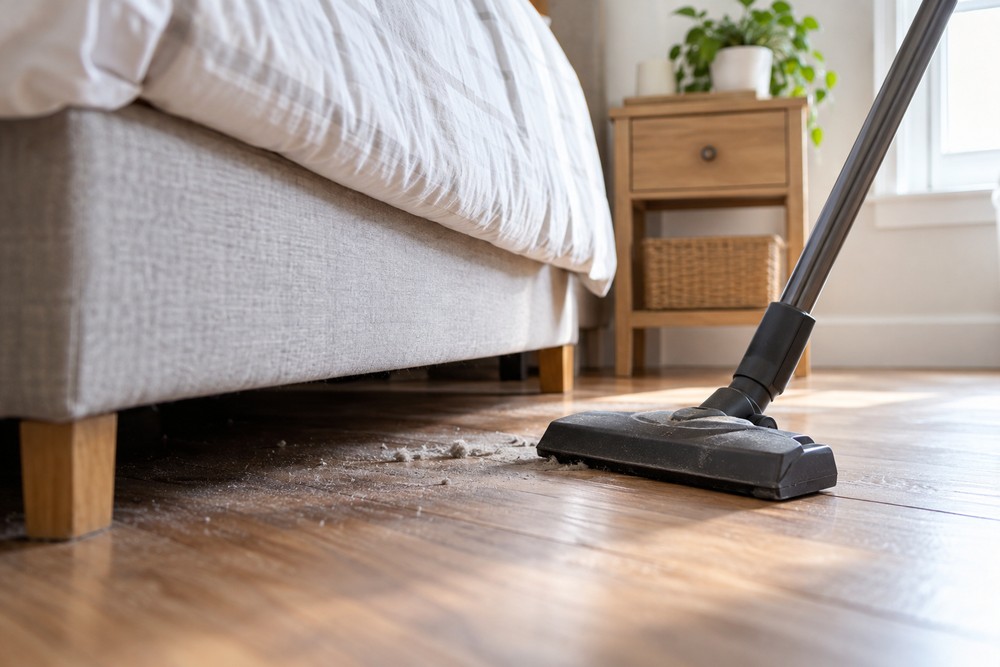
Dust rarely settles only on the surfaces people notice every day. It also collects along baseboards, behind furniture, above cabinets, around vents, beneath beds, and in corners that receive little attention during ordinary routines. Because buildup happens gradually, these areas can remain unnoticed until furniture moves or a room receives a more detailed cleaning.
A practical dust-control routine does not require homeowners to clean every hidden surface each week. Instead, frequently used rooms can receive regular attention while overlooked areas are placed on a rotating schedule. House Cleaning Services can complement this approach when broader household cleaning needs to fit around work, family responsibilities, and other commitments.
Top Tier Home Cleaning can be considered when homeowners are deciding which neglected spaces should receive attention during scheduled visits. Identifying those locations beforehand creates clearer priorities without turning every appointment into a whole-home project. The objective is to prevent gradual buildup by noticing where dust tends to settle and addressing those areas at reasonable intervals.
Understand Why Certain Areas Collect More Dust
Dust moves through a home in several ways. Everyday movement, open doors, fabrics, pets, ventilation, and ordinary household activity can all contribute to particles settling on surfaces. Areas outside regular sightlines often accumulate more simply because they are cleaned less frequently.
Furniture placement also influences where buildup appears. A narrow space between a dresser and wall may receive little routine attention, while the open floor directly beside it is vacuumed regularly. Over time, the difference between those two areas can become noticeable.
Rather than assuming every room requires identical effort, homeowners can observe where dust repeatedly returns. Those patterns provide a useful basis for creating a maintenance schedule. A targeted approach is generally easier to sustain than repeatedly cleaning areas that remain relatively unaffected.
Look Beyond the Center of Each Room
Routine floor cleaning naturally focuses on open areas where people walk. Room edges, corners, spaces beneath accessible furniture, and areas behind movable items can receive less attention. These locations may gradually collect dust, hair, crumbs, and small debris.
Move lightweight objects periodically when doing so is safe and practical. A side table or small chair can hide an area that has not been reached for weeks. Addressing a few hidden sections at a time keeps the task manageable.
Avoid trying to move large or unstable furniture solely for cleaning. Heavy pieces can create unnecessary risk to people, flooring, and the furniture itself. Concentrate on spaces that can be accessed appropriately with available tools.
Add Baseboards to a Rotating Schedule
Baseboards are easy to overlook because they sit below the surfaces people normally inspect. Dust can collect along their upper edges, while marks may appear near doorways, hallways, and frequently used rooms. Cleaning every baseboard constantly is usually unnecessary.
Divide the Home Into Manageable Sections
Instead of addressing the entire property in one session, divide baseboards by room or floor. One week might include the main living area, while another focuses on bedrooms or hallways. Rotating sections prevents a small maintenance task from becoming an exhausting project.
The same method can be used for other overlooked surfaces. House Cleaning Services can address appropriate detailed areas as part of a broader cleaning routine, while homeowners continue ordinary upkeep between visits. Dividing responsibilities helps keep gradual buildup from becoming a recurring source of frustration.
Check the Spaces Around Large Furniture
Beds, sofas, cabinets, desks, and other substantial pieces can create sheltered spaces where dust remains undisturbed. Some areas are easy to reach with suitable tools, while others become accessible only when furniture is rearranged. Homeowners should work according to what can be reached safely.
Bedrooms deserve particular attention because dust can collect beneath beds and around bedside furniture. Storage containers placed underneath may create additional edges where debris gathers. Keeping under-bed storage reasonably organized can make periodic cleaning easier.
Living rooms present similar challenges around sofas and entertainment furniture. Rather than moving everything during every cleaning session, homeowners can rotate accessible areas. This keeps detailed work proportional to the amount of buildup actually present.
Remember Upper Surfaces That Stay Out of Sight
Dust does not only collect near the floor. Tops of cabinets, tall furniture, accessible shelving, door frames, and other elevated surfaces may receive little attention because they are difficult to see from normal standing height. These locations can accumulate gradually while the visible room still appears clean.
Use safe methods when dealing with elevated areas. Stretching from unstable furniture or improvising unsafe climbing arrangements is not worth the risk. Surfaces that cannot be reached appropriately should be treated differently from ordinary accessible cleaning tasks.
Top Tier Home Cleaning can be part of a household plan that distinguishes routine surfaces from areas needing periodic attention. Homeowners can identify accessible problem spots and communicate priorities rather than assuming every hidden location requires the same frequency. This creates a more deliberate approach to detailed cleaning.
Pay Attention to Dust Around Vents and Airflow Areas
Air movement can influence where visible dust appears. Surfaces near vents, fans, returns, or frequently opened windows may develop buildup at a different rate from quieter parts of a room. Observing these patterns can help homeowners decide which areas deserve more frequent attention.
Accessible vent exteriors and nearby surfaces can be checked during normal room cleaning. Homeowners should avoid dismantling equipment or performing maintenance tasks that belong to qualified professionals. Household cleaning and mechanical system servicing are separate responsibilities.
Window areas can show similar patterns. Ledges, frames, and nearby furniture may collect particles carried by airflow or ordinary room activity. Including these surfaces in a rotation prevents them from being forgotten simply because they are outside the main cleaning path.
Reduce Clutter That Creates Extra Dusting Obstacles
A crowded surface takes longer to clean because every object must be moved or cleaned around. Decorative items, paperwork, unused electronics, and miscellaneous belongings can create numerous small spaces where dust settles. Reducing unnecessary clutter makes routine maintenance simpler.
This does not require removing personal decorations or creating empty rooms. The goal is to keep frequently cleaned surfaces reasonably accessible. Grouping smaller objects or giving everyday belongings designated storage can reduce the number of obstacles.
Simpler surfaces also make dust easier to notice. When homeowners can quickly wipe or clean an area, they are more likely to maintain it regularly. Organization therefore supports cleaning without becoming a cleaning task itself.
Rotate Detailed Tasks Instead of Saving Everything
Postponing every overlooked area for one major cleaning day can create an intimidating workload. A more manageable strategy assigns a few detailed tasks to different weeks or months. This spreads effort while still ensuring neglected spaces eventually receive attention.
For example, one period might focus on baseboards and room corners, while another addresses accessible spaces beneath furniture. Upper surfaces and storage edges can be handled separately. The exact rotation should reflect the home’s layout and how quickly buildup appears.
House Cleaning Services can support this system when homeowners prefer scheduled assistance with broader maintenance. Routine professional cleaning and small household habits do not need to duplicate one another. They can serve different purposes within the same maintenance plan.
Review Dust Patterns as Household Habits Change
Dust patterns are not necessarily permanent. Moving furniture, adopting a pet, changing window habits, beginning a home project, or using a previously quiet room more often can alter where buildup occurs. Cleaning priorities should change accordingly.
Top Tier Home Cleaning can fit into an evolving plan when homeowners communicate areas that have recently become more difficult to maintain. A room converted into an office, for example, may now receive daily use and require different attention. Reviewing these changes keeps the cleaning routine connected to real household activity.
Homeowners can reassess overlooked areas periodically instead of automatically adding more chores. Some locations may need attention more frequently, while others can remain occasional tasks. Adjusting the rotation prevents unnecessary work and keeps the schedule realistic.
Keep Hidden Dust From Becoming a Major Project
Overlooked spaces are easier to manage when they are treated as recurring maintenance rather than ignored until a major cleanup becomes necessary. Room edges, baseboards, furniture gaps, upper surfaces, and airflow areas can all be incorporated gradually. No single cleaning session needs to address every hidden location.
A rotating schedule also helps homeowners distinguish between visible daily messes and slow-developing buildup. Immediate spills and debris can receive prompt attention, while less urgent areas remain on a planned cycle. This creates a clearer sense of priority throughout the home.
The most sustainable approach is one that matches the property’s layout and the household’s available time. By noticing where dust repeatedly settles and addressing those areas in manageable stages, homeowners can reduce large catch-up projects. Consistent attention to overlooked spaces helps detailed cleaning remain part of an organized routine rather than an occasional overwhelming task.



