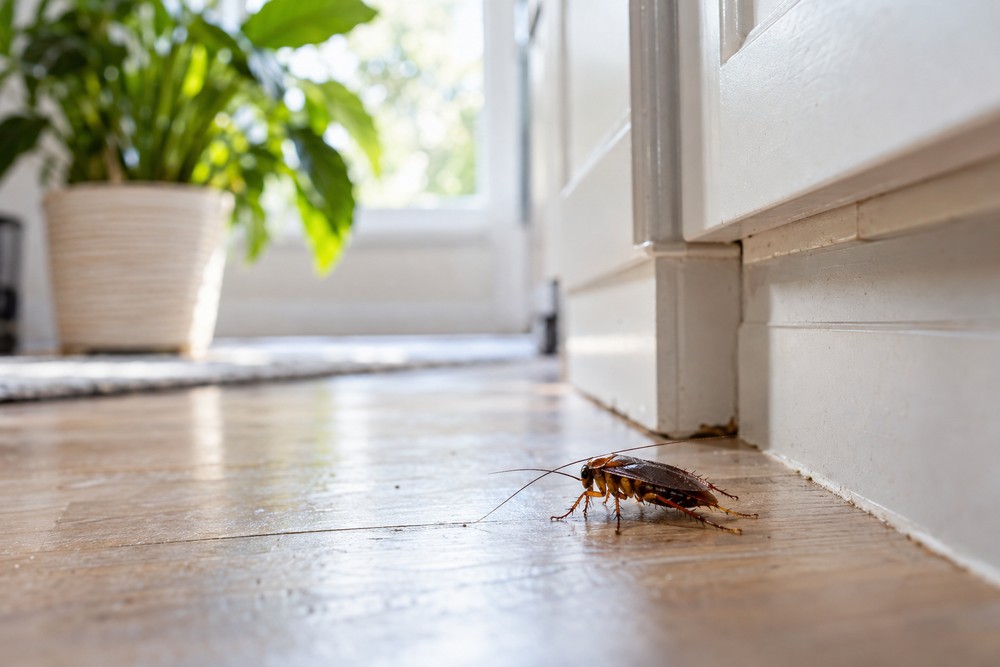
Seeing pests again after treatment can be frustrating, especially when activity seems to disappear for several days. A returning insect does not always mean the previous treatment accomplished nothing. Pest behavior, hidden nesting areas, eggs, food sources, access routes, and treatment timing can all influence what homeowners observe after the first response to a problem.
An Exterminator considers these factors before deciding whether renewed activity represents treatment failure or part of an ongoing control process. Some pests remain concealed in wall voids, cabinets, basements, or other protected areas where homeowners rarely see them. Understanding the pattern of sightings can provide more useful information than reacting to every individual pest separately.
Modern Pest Solutions can evaluate recurring activity by comparing current observations with the conditions identified during earlier treatment. The location, frequency, pest type, and time between sightings can help clarify what may be happening. This information supports a measured response rather than repeatedly applying unrelated products whenever another insect appears.
Understand That Visible Pests May Be Only Part of the Problem
Homeowners generally notice pests after they enter visible living spaces. The larger source, however, may remain hidden in a nest, wall cavity, storage area, or another protected location.
Removing the individuals in view does not necessarily eliminate every stage of the problem immediately. Activity may continue while remaining pests move through established routes.
This is why monitoring after treatment matters. Changes in the number and location of sightings can reveal whether activity is declining, shifting, or remaining consistent.
Give the Treatment Appropriate Time to Work
Some treatments are designed to produce immediate effects, while others work through pest behavior over a longer period. Homeowners should understand what to expect before deciding that a treatment was unsuccessful.
Repeatedly adding household products can interfere with an established plan. Sprays or cleaners applied in treated areas may disturb placements or change how pests travel.
Following the recommended post-treatment guidance allows the original strategy to be evaluated more accurately. Unexpected changes can then be discussed instead of hidden by additional DIY applications.
Consider Whether Eggs or Hidden Life Stages Remain
Pest populations do not always consist only of the insects that are currently visible. Depending on the species, eggs or immature stages may remain protected after adults have become less noticeable.
New Sightings Can Have an Earlier Source
A pest appearing days after treatment may have developed from a life stage that was already present. That possibility makes identification and follow-up important when evaluating recurring activity.
Modern Pest Solutions can use the type and timing of renewed sightings to help determine an appropriate next step. Treatment expectations should reflect the biology of the particular pest rather than a single timeline for every infestation.
Check Whether Food Sources Are Still Available
Treatment alone cannot remove every condition that makes a property attractive. Crumbs, open packages, pet food, grease residue, and accessible waste can continue supporting pest activity.
Homeowners can review kitchens, pantries, dining areas, and other places where food is stored or consumed. Less obvious spaces beneath appliances or furniture also deserve attention.
Improved sanitation does not mean an infestation was caused by poor housekeeping. It simply reduces resources that certain pests may use while control measures are underway.
Look for Moisture That Continues to Support Activity
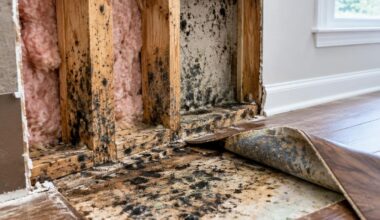
Water can be as important as food for some household pests. Leaking pipes, damp cabinets, condensation, and standing water may provide dependable moisture in protected locations.
Bathrooms, kitchens, basements, laundry areas, and utility spaces should be checked when recurring activity appears nearby. Persistent dampness can also signal a maintenance issue that deserves separate attention.
Correcting the source is more useful than repeatedly drying the visible area. A hidden leak can continue creating favorable conditions even when surrounding surfaces are cleaned regularly.
Review Entry Points That May Still Be Open
Treatment may address pests already inside without preventing new ones from entering later. Gaps around doors, windows, utility penetrations, foundations, vents, and other transitions can remain available.
Homeowners should consider whether new sightings appear near a consistent route. Patterns around one doorway, window, cabinet, or exterior wall can provide useful clues.
An Exterminator may evaluate these structural conditions alongside pest evidence. Addressing access can become an important part of reducing repeated introductions from outside the treated area.
Avoid Moving Baits or Monitoring Devices
Placed devices may appear simple, but their location can be based on observed pest movement. Moving them to a more visible area may reduce their usefulness.
Children and pets should be kept away according to provided safety instructions. Homeowners should also avoid covering, cleaning around, or disturbing placements unless advised to do so.
If a device seems inconveniently located, asking before moving it is preferable. Small changes can affect the ability to compare activity between visits.
Record Where and When Pests Reappear
Memory can become unreliable when homeowners are worried about recurring pests. A simple record of sightings can provide clearer information during follow-up.
Notes can include the room, approximate time, number observed, and whether the pest was alive or dead. Photographs may also be useful when identification is uncertain.
Patterns can emerge from even a short record. Activity concentrated in one location suggests something different from occasional sightings scattered throughout several unrelated rooms.
Distinguish Isolated Sightings From Persistent Activity
One pest appearing after treatment does not provide the same information as repeated daily activity. Homeowners should consider frequency and patterns before drawing conclusions.
Persistent sightings in the same location may justify closer investigation. A gradual decline, meanwhile, can suggest that the situation is changing even though activity has not disappeared completely.
Modern Pest Solutions can compare these observations with earlier findings during follow-up. Clear information helps determine whether the existing strategy needs more time, adjustment, or additional investigation.
Use Follow-Up to Reassess Changing Conditions
Properties are dynamic environments. Stored items move, food sources change, leaks develop, doors remain open, and exterior conditions can create new opportunities after the initial visit.
Follow-up provides an opportunity to check whether previous recommendations were effective and whether new evidence has appeared. It also allows areas that were previously quiet to be reconsidered when activity shifts.
The goal is not simply repeating the first treatment. Reassessment should use new observations to refine the response according to current conditions.
Turn Recurring Pest Activity Into Useful Information
Returning pests can be discouraging, but renewed activity also provides clues about where a problem may persist. Location, timing, frequency, moisture, food availability, and open access routes can all help explain why sightings continue after treatment.
A thoughtful Exterminator response focuses on interpreting those clues instead of assuming every new sighting requires a completely different solution. Monitoring and follow-up make it easier to distinguish declining activity from a source that remains active or a new route that has developed.
Homeowners can support that process by following treatment guidance, limiting unnecessary product use, recording sightings, and addressing practical conditions around the property. A structured response turns recurring activity into information that can guide the next decision and support a more complete approach to managing the underlying pest problem.