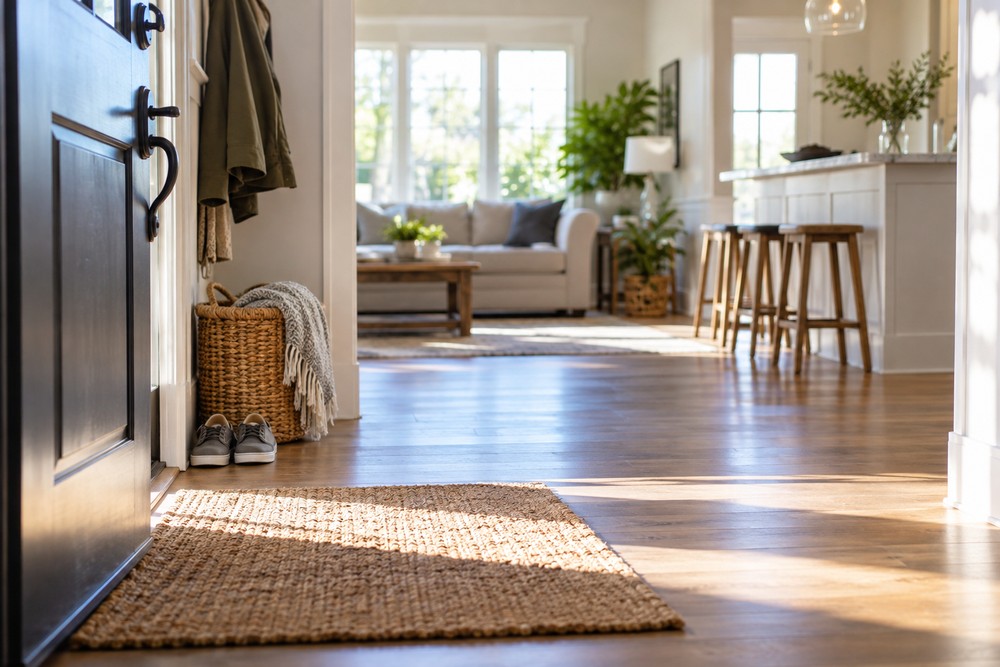
A busy home rarely becomes dirty at the same rate in every room. Entryways collect outdoor debris, kitchens see repeated food preparation, bathrooms receive daily use, and shared living spaces experience constant movement. Trying to give every room identical attention can consume time without addressing the areas that actually need cleaning most often.
A more practical routine follows household activity. Rooms used several times each day can receive regular attention, while guest rooms, formal spaces, and other quieter areas may need less frequent work. House Cleaning Services can support this approach by concentrating effort where everyday use creates the most visible and recurring cleaning needs.
The routine should also reflect the people and activities inside the property. Children, pets, work-from-home schedules, frequent cooking, and regular visitors can all change where dirt accumulates. Apex Home Cleaning may be considered as part of the overall routine, while residents continue handling everyday spills, clutter, dishes, and personal organization between scheduled cleaning periods.
Identify the Areas That Receive the Most Daily Use
Before creating a schedule, homeowners should observe how people actually move through the property. The busiest rooms are usually easy to recognize, but walking routes between them matter as well. A hallway connecting the entrance, kitchen, and living room may require more attention than a larger room that is rarely occupied.
Floor condition can provide useful clues. Crumbs, tracked dirt, pet hair, and other ordinary debris often appear first along heavily traveled routes. Frequently touched surfaces can reveal similar patterns around doors, cabinets, stairways, and shared furniture.
These observations provide a better basis for planning than assigning every room the same cleaning frequency. A routine becomes easier to maintain when effort follows actual household use.
Give Entryways Short but Frequent Attention
The entrance acts as a transition between outdoor conditions and interior living spaces. Shoes, bags, coats, pets, packages, and everyday foot traffic can introduce dirt into a relatively small area. If that debris remains near the door, it can gradually travel farther into the home.
Entryway cleaning does not always require a lengthy session. Removing visible debris, checking mats, and keeping the immediate floor area manageable can prevent a small problem from spreading. Nearby benches or shoe-storage areas may also need occasional attention as items accumulate.
Clutter control should remain separate from cleaning. Creating designated places for shoes, coats, and bags can make surfaces easier to access, but household members still need to maintain those organizational habits.
Build Kitchen Cleaning Around Everyday Activities
Kitchens can become difficult to manage because new messes appear throughout the day. Breakfast may leave crumbs on counters, meal preparation can create splashes, and dishes may accumulate while other household activities continue. Waiting for one large weekly session can allow several small tasks to build into a much larger job.
A practical routine addresses immediate food spills and everyday dish management while reserving other surfaces for planned cleaning. Counters, sinks, cabinet fronts, appliance exteriors, and floors can receive attention according to how frequently they become soiled.
House Cleaning Services can help address recurring kitchen cleaning without replacing normal food preparation responsibilities. Residents still need to manage dishes, groceries, waste, and spills that require immediate attention between scheduled visits.
Separate Immediate Messes From Scheduled Tasks
Some cleaning should happen when the mess occurs. A liquid spill, dropped food, or heavily soiled preparation surface should not remain untouched simply because the room has a scheduled cleaning day later in the week.
Other tasks can reasonably wait for the normal routine. Distinguishing between immediate and scheduled work prevents homeowners from feeling that every small mark requires a complete kitchen cleaning session.
Focus Bathroom Routines on Frequently Used Surfaces
Bathrooms contain several surfaces that experience repeated contact and moisture. Sinks, counters, mirrors, toilets, tubs, showers, and floors can show ordinary use quickly, particularly when several household members share the same room.
Frequency should reflect actual demand. A primary bathroom used every morning and evening may require a different schedule from a guest bathroom used only occasionally. Treating both rooms identically can direct effort away from the area that needs it most.
Apex Home Cleaning can fit into a household plan that prioritizes busy bathrooms while still giving lower-use spaces appropriate periodic attention. Homeowners should also remember that plumbing leaks, damaged caulk, or persistent moisture concerns are maintenance matters rather than ordinary cleaning tasks.
Use Floor Care to Follow Household Traffic
Floors connect almost every high-use area in a home. Dirt entering through the front door may travel into a hallway, kitchen, and living room within a short period. Pets and children can extend that path into additional rooms as normal activities continue.
Instead of treating every floor as one large task, homeowners can prioritize the main traffic routes. Entry areas, kitchen floors, hallways, and frequently occupied living spaces may need attention before low-use bedrooms or formal rooms.
Flooring materials should guide the cleaning method. Hardwood, laminate, tile, vinyl, and carpet have different care requirements, so convenience should not lead to using the same products or moisture levels on every surface.
Keep Shared Living Spaces Ready for Everyday Use
Living rooms and family rooms often collect a mixture of household activity. People eat snacks, relax on furniture, use electronics, play with children, and spend time with pets in the same space. The resulting cleaning needs may involve floors, seating, tables, and other accessible surfaces.
A practical routine starts with the parts of the room that affect daily comfort. Removing crumbs from seating, addressing visible pet hair, dusting commonly used surfaces, and keeping the main floor area manageable can have more impact than repeatedly cleaning decorative objects.
This focused approach prevents shared spaces from becoming large projects. Less frequently handled shelves or decorative areas can remain on a periodic schedule rather than competing with everyday priorities.
Rotate Lower-Traffic Rooms Into the Schedule
Prioritizing busy spaces does not mean ignoring the rest of the home. Dust still settles in guest rooms, offices, formal dining areas, and other quieter spaces. The difference is that these rooms may not require the same cleaning frequency.
A rotating schedule provides a practical solution. Homeowners can maintain high-traffic areas regularly while adding one or two lower-use spaces during different cleaning sessions. Over time, every part of the property receives attention without creating an oversized task on a single day.
House Cleaning Services can also follow this type of priority system when appropriate. Discussing which rooms receive the most use helps keep cleaning aligned with the household rather than assuming every space has identical needs.
Adjust the Routine When Household Activity Changes
Cleaning schedules should not become so rigid that they stop reflecting daily life. School breaks, remote work, visiting relatives, a new pet, or changes in work schedules can increase activity in rooms that were previously quiet. The routine should change with those conditions.
Homeowners can review priorities whenever they notice one area becoming difficult to maintain. Increasing attention temporarily may be more useful than expanding the entire cleaning schedule. When household activity returns to normal, the routine can be adjusted again.
Apex Home Cleaning may be incorporated when changing schedules leave less time for recurring tasks. The broader objective remains the same: direct cleaning effort toward the spaces experiencing the greatest current use.
A Practical Routine Should Follow Real Household Life
An effective cleaning routine does not need to give every room equal attention. Homes function through patterns of movement, and those patterns determine where crumbs, dust, tracked debris, pet hair, and ordinary surface marks tend to appear first.
Prioritizing entrances, kitchens, bathrooms, shared rooms, and connecting floors keeps the busiest parts of the property manageable. Lower-use spaces can then be rotated into the schedule at intervals that better match their actual condition.
This approach makes household cleaning more responsive without making it more complicated. By watching how rooms are used and adjusting priorities when routines change, homeowners can maintain the areas that affect daily life while avoiding unnecessary work in spaces that remain relatively quiet.



