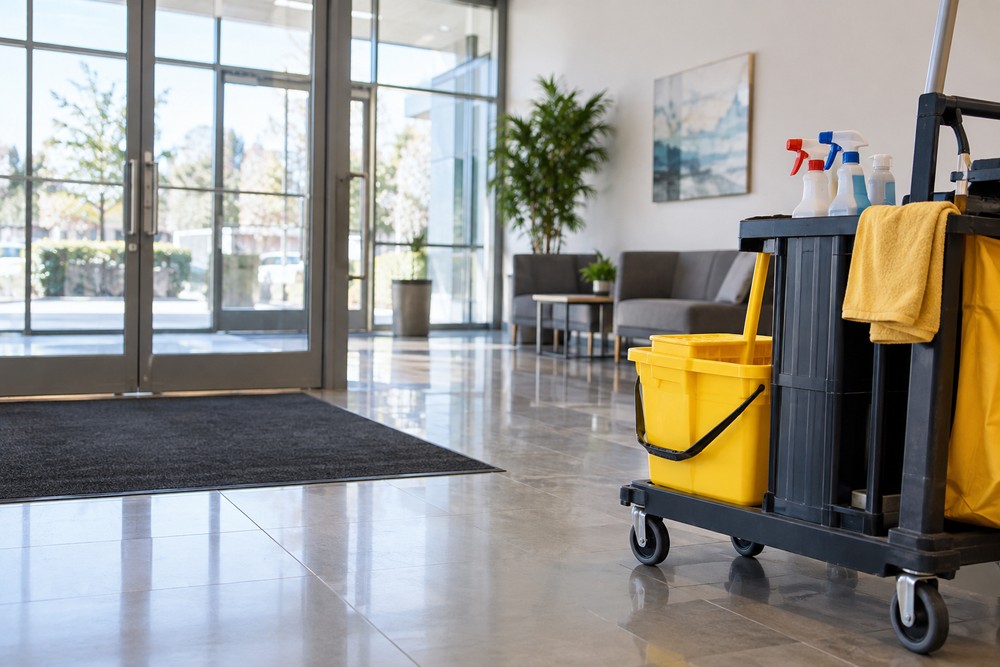
Commercial buildings contain spaces designed for very different purposes. Customers may spend most of their time in reception areas, waiting rooms, sales floors, or meeting spaces, while employees move through break rooms, storage areas, service corridors, and work zones. These differences influence where dirt, clutter, and everyday signs of use develop.
Cleaning every part of a commercial property in exactly the same way can overlook how individual spaces actually function. Public areas often require attention to visible surfaces and frequent traffic, while behind-the-scenes spaces may accumulate mess through deliveries, employee activity, storage, or routine operations. Understanding these distinctions can make maintenance more practical.
Commercial cleaning services can support businesses by aligning cleaning priorities with the purpose and activity level of each area. Cleaners Joy can help businesses consider both customer-facing and operational spaces without assuming they have identical needs. A balanced plan accounts for visibility, traffic, room function, and the types of activity occurring throughout the property.
Public Entrances Create the First Cleaning Priority
Entrances connect outdoor conditions with indoor commercial spaces. Customers and employees can carry dust, soil, moisture, leaves, and other small debris across the threshold throughout the day.
The immediate entrance may therefore need more attention than interior areas receiving less traffic. Door glass, nearby flooring, mats, and accessible surfaces can quickly show evidence of repeated use.
Weather can change these conditions considerably. Rainy days may increase tracked moisture, while dry periods can introduce more dust, making flexible attention more practical than assuming entrance conditions remain constant.
Reception Areas Combine Visibility With Frequent Contact
Reception spaces often shape a visitor’s first impression after entering a building. Desks, seating, tables, doors, and other accessible surfaces may experience frequent contact from many people.
Clutter can also become noticeable quickly in these areas. Packages, paperwork, promotional materials, cups, and personal belongings may occupy surfaces intended to remain accessible to visitors.
Cleaning priorities should reflect both appearance and actual use. A reception area that handles continuous visitor traffic will generally develop different needs from one that receives only occasional appointments.
Waiting Areas Can Develop Localized Mess
Waiting rooms may look simple to maintain, but repeated short visits can create concentrated activity. Seating areas, side tables, and surrounding floors can collect small debris throughout the business day.
The arrangement of furniture can also create less visible collection points. Checking beneath and around frequently used seating can provide a more complete picture than inspecting open floor space alone.
Customer Spaces Need Attention Based on Activity
Not every customer-facing area receives the same amount of use. A retail floor may experience continuous movement, while a consultation room might serve only several people each day.
Businesses can identify where customers naturally gather, pause, or move between activities. These patterns often reveal which floors, surfaces, and shared features require more frequent attention.
Cleaners Joy can help businesses organize maintenance around these differences. Prioritizing according to real traffic patterns allows heavily used areas to receive appropriate care without unnecessarily treating quieter spaces as though they experience the same conditions.
Employee Break Rooms Have Different Sources of Mess
Behind-the-scenes areas can create cleaning demands that customers never see. Break rooms, for example, combine food preparation, eating, storage, waste disposal, and employee traffic within a relatively compact space.
Counters can collect crumbs or spills, while tables and floors show evidence of repeated meal periods. Refrigerators, microwaves, sinks, and surrounding surfaces may also require attention according to workplace use and established responsibilities.
Employee habits influence how quickly these rooms become untidy. Clear expectations for dishes, personal food, and waste can complement scheduled cleaning and keep routine clutter from interfering with maintenance.
Service Corridors Should Not Be Overlooked
Service hallways and internal routes may receive substantial traffic even though customers rarely enter them. Employees, carts, supplies, packages, and equipment can pass through these spaces repeatedly.
Because these corridors are less visible, loose debris or clutter may remain unnoticed longer than it would near a public entrance. Narrow spaces can also become harder to maintain when boxes or equipment reduce access.
Including service routes in routine observations prevents appearance-focused maintenance from concentrating exclusively on customer areas. Operational spaces remain part of the working environment even when visitors never see them.
Storage Areas Need Accessible Floors and Surfaces
Storage rooms can become difficult to clean when inventory, supplies, or equipment occupy every available space. Items placed directly on floors or crowded against accessible areas may limit routine maintenance.
Organization and cleaning are separate responsibilities, but they influence one another. Keeping appropriate access around stored materials can make it easier to address dust and loose debris without repeatedly relocating large quantities of supplies.
Managers can periodically review whether temporary storage has become permanent. Maintaining clear access also makes it easier to observe the condition of the room instead of allowing hidden areas to remain unnoticed.
Restrooms Require Priorities Based on Actual Use
Commercial restrooms can experience very different traffic depending on their location and purpose. Facilities near customer areas may receive steady visitor use, while employee-only restrooms can follow workplace schedules more closely.
Commercial cleaning services can account for these differences by considering usage rather than treating every restroom identically. Frequently used facilities may require closer observation of surfaces, floors, waste containers, and available supplies.
Managers should also consider unusual activity. Events, meetings, seasonal traffic, or temporary increases in staffing can change restroom demand even when normal patterns are predictable.
Loading and Delivery Areas Follow Operational Schedules
Receiving areas can experience concentrated activity when shipments arrive. Packaging, dirt, small debris, and temporary materials may appear quickly as goods move between vehicles and interior storage.
Cleaning these spaces during active deliveries can be inefficient because equipment and materials may block access. Scheduling attention after predictable receiving periods can make the area easier to address.
Managers can also observe routes between loading areas and interior spaces. Debris introduced near a receiving entrance may travel farther into the building through carts, shoes, or repeated employee movement.
Cleaning Frequency Should Reflect Room Function
A useful commercial cleaning plan does not assume every room needs the same frequency of attention. Activity level, surface use, visitor traffic, food handling, deliveries, and storage can all influence how quickly conditions change.
Cleaner Streets should never be treated as the model for indoor maintenance, since commercial interiors require priorities based on their own functions. Cleaners Joy can instead help businesses consider the different demands created by public spaces and operational work areas.
Regular walkthroughs can reveal where those demands are changing. A room that was once lightly used may become busier after staffing, layout, or operational changes.
Balanced Cleaning Supports the Entire Workplace
Commercial cleaning services Portland are most effective when businesses recognize the distinction between visible customer areas and the spaces supporting daily operations. Entrances, reception areas, break rooms, corridors, storage rooms, restrooms, and receiving zones each develop mess for different reasons.
Public-facing spaces deserve attention because they experience visitor traffic and remain highly visible. Behind-the-scenes areas also matter because employees rely on them for routine work, meals, storage, movement, and deliveries throughout the day.
A balanced maintenance plan considers the entire property without applying identical priorities everywhere. By evaluating how each area functions and how quickly conditions change, businesses can maintain customer spaces and working areas according to their actual needs rather than relying on a uniform routine.