You may have noticed the bad breath first, then the tartar, then that small hesitation when your pet goes to chew a toy or crunch kibble. A lot of people wait because dental care can feel easy to put off when a pet still seems happy, still eats, still acts mostly normal. That is usually how dental disease starts to hide in plain sight, which is why visiting a veterinarian in Lake Forest, CA can make a difference. By the time there is obvious pain, the problem is often deeper than it looked.
That is where animal hospitals make a real difference. They do more than clean teeth. They build preventive pet dental care into routine wellness visits, catch signs of disease early, guide you on home care that actually fits your life, and step in before plaque turns into infection, tooth loss, or pain. Good prevention costs less than treating advanced disease, and it spares your pet a lot of discomfort.
Animal hospitals catch dental disease before it becomes a larger health problem
Dental disease is one of the most common health issues in pets, and it often progresses quietly. Your dog may keep eating even with painful gums. Your cat may hide oral pain so well that the only clue is less grooming or a change in mood. You are not missing something obvious. Pets are built to mask pain.
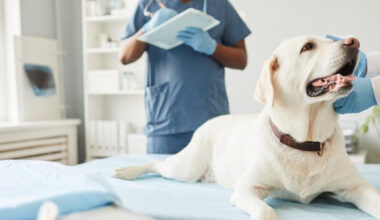
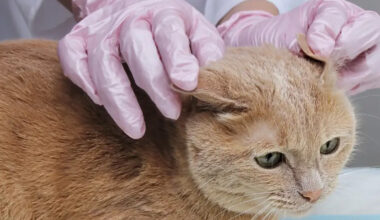
Animal hospitals support preventive dental programs by making oral exams part of regular care. During a wellness visit, the veterinary team looks for tartar buildup, gum inflammation, broken teeth, loose teeth, oral masses, and signs of infection under the gumline. That matters because what you can see at home is only part of the picture.
Untreated dental disease does not stay in the mouth. Bacteria and inflammation can affect the jaw, the surrounding tissue, and overall comfort. Texas A&M explains why pet dental care is important and how oral disease can lead to pain that many owners do not realize their pets are carrying every day.
When hospitals run strong pet dental prevention programs, they create a rhythm. Exams happen on schedule. Early buildup gets flagged. Home care gets adjusted before things slide. That steady attention is what prevention looks like in real life.
Preventive dental care works best when home care and professional care support each other
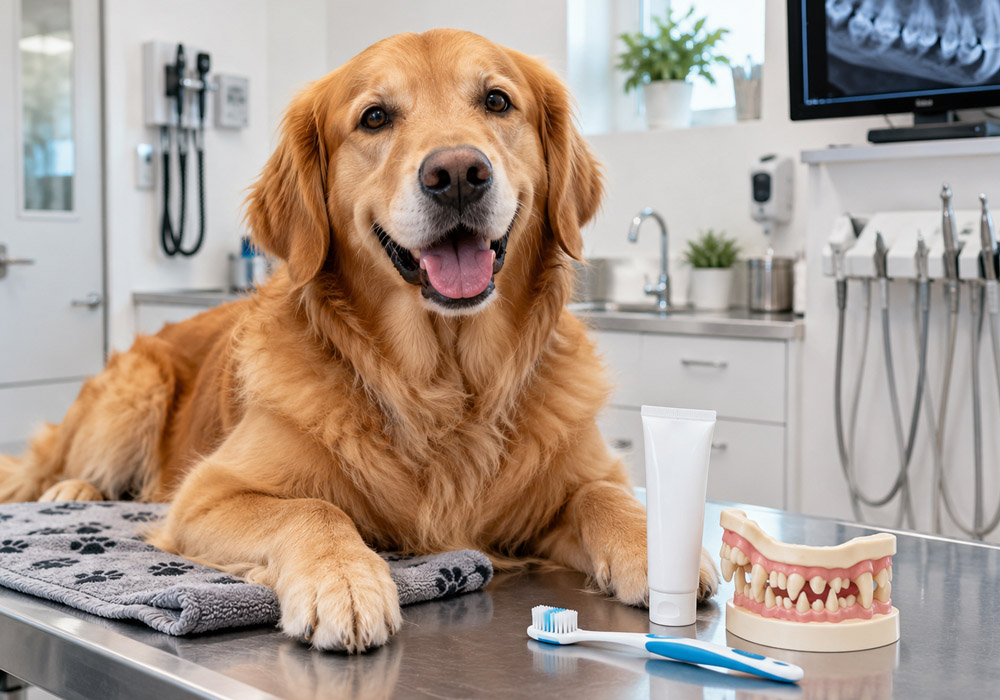
Most pets need both. Brushing at home helps slow plaque buildup, but it does not replace a professional dental cleaning when tartar has hardened or disease has started below the gumline. Professional cleanings allow the veterinary team to scale teeth thoroughly, polish surfaces, and assess areas that are hard to evaluate in an awake pet.
This is where people often get stuck. You want to do the right thing, but daily brushing sounds unrealistic, your pet resists, and the idea of anesthesia can feel stressful. Those concerns are common. A good animal hospital does not shame you for that. The staff helps you find a version of care you can actually maintain, whether that means brushing three times a week, using approved dental chews, switching to a dental diet, or starting with finger brushes and short sessions.
The University of Illinois notes that pets’ oral health needs regular attention, not a once a year reaction after damage is already there. That is the value of an animal hospital. It connects the daily habits at home with the medical support your pet needs over time.
Animal hospital dental programs reduce pain, surprise costs, and avoidable treatment
Prevention is not just about clean teeth. It is about fewer extractions, fewer infections, and fewer moments where you find out your pet has been hurting for months. It also helps financially. A routine exam and scheduled cleaning are easier to plan for than advanced dental treatment with multiple extractions, medication, and follow up care.
If your pet is a senior, has a small breed mouth crowded with teeth, or has a history of tartar buildup, prevention matters even more. Small dogs often develop dental disease earlier. Cats can develop painful resorptive lesions that are hard to spot at home. Breed, age, diet, and genetics all shape risk, which is why a general online checklist only goes so far. An animal hospital can tailor a plan to your pet instead of handing you generic advice.
At home dental care and professional dental care serve different roles
| Care Type | What It Helps With | Limits | Best Use |
|---|---|---|---|
| Tooth brushing at home | Reduces daily plaque, supports gum health, freshens breath | Does not remove hardened tartar under the gums | Ongoing routine several times a week or daily |
| Dental chews or approved dental diets | Helps reduce plaque on some tooth surfaces | Less precise than brushing, not enough for active disease | Added support for pets who tolerate them well |
| Wellness oral exam at an animal hospital | Finds early signs of gum disease, broken teeth, pain, masses | Cannot fully assess below the gumline in an awake pet | At every routine veterinary visit |
| Professional veterinary dental cleaning | Removes tartar above and below the gums, allows full assessment | Requires scheduling and may require anesthesia | When recommended based on exam findings and risk |
Simple steps help you start a stronger preventive dental routine
Ask for a dental baseline at your next visit. If your pet has not had an oral exam focused on dental health recently, start there. Ask what stage your pet is at now, whether there are signs of gingivitis or tooth damage, and how often rechecks should happen.
Build one home habit you can keep. A perfect routine that lasts four days will not help as much as a simple one you can stick with. Start with brushing a few teeth, offering a veterinary approved dental chew, or using a dental diet if your veterinarian recommends it. Consistency matters more than doing everything at once.
Do not wait for obvious pain. Bad breath, drooling, pawing at the mouth, chewing on one side, dropping food, and behavior changes all deserve attention. So does silence. Many pets with dental disease show almost nothing until the problem is advanced. Early care through an animal hospital is often the difference between a manageable cleaning and a much larger procedure.
Your pet depends on you to notice the small changes, and you do not have to figure them out alone. Animal hospitals support preventive dental programs by turning scattered warning signs into a clear plan, one that protects comfort, health, and quality of life over time. If your pet is due for a checkup, schedule a dental evaluation and get a prevention plan that fits your pet and your routine.