Quick Answer: Senior dogs and cats need seven core checks, done regularly: twice-yearly physicals, full bloodwork, urinalysis, blood pressure checks, dental exams, baseline imaging, and parasite screening. Most of the scary stuff — organ decline, hidden hypertension, early dental disease — doesn’t show symptoms until it’s already advanced. Catch it early, though, and treatment works far better, and your pet just gets more good years out of it.
Somewhere around age seven, a dog or cat’s body starts changing in ways you can’t really see from the outside. Metabolism slows. Organs work a little harder. Joints wear down. And because pets are stubbornly good at hiding pain, things like kidney disease, diabetes, or arthritis can be well underway before you ever notice anything’s wrong.
That’s the whole point of preventative screening — it gives you a baseline while your pet still looks and acts completely fine.
Think of it as trading reactive vet visits for something closer to precision maintenance. A good vet catches the small shifts before they turn into something that actually hurts your pet’s quality of life.
1. Comprehensive Biannual Physical Exam
Every six months, not once a year. That’s the real starting point for senior pet care, and honestly, most owners underestimate how much difference it makes. Our pets mature at a much quicker pace compared to us; hence, one checkup per year will mean skipping many things.
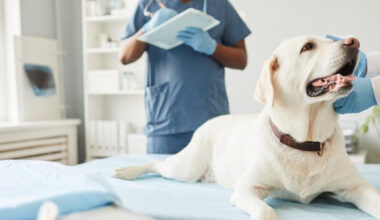
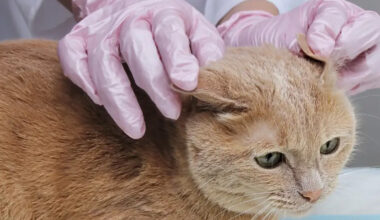
When your pet has an examination, the veterinarian will listen to the lungs and heart, feel the lymph nodes, palpate the abdomen, test the joint movement, and evaluate the body condition score of your pet.
A murmur caught early. Stiffness before it becomes a limp. A few pounds lost that you hadn’t clocked. These are the things a biannual exam picks up — and they’re exactly the things worth acting on immediately.
2. Full Blood Chemistry Panel
Here’s the problem: you can’t see kidney function or liver health just by looking at your pet. Bloodwork is really the only way in. CBC and Chem panel catches any imbalance well in advance, before any physical symptoms appear.
It includes kidney tests (BUN/creatinine test), liver enzymes, glucose, protein test, and thyroid. There is also an interesting species difference to remember – cats usually have a tendency to become hyperthyroid as they grow old, whereas dogs are prone to be hypothyroid.
| Diagnostic Test Element | Main Target Organ/S | Diseases Identified |
| Chemistry Panel | Kidneys, Liver, Pancreas | Kidney Failure, Hepatitis, Diabetes |
| CBC (Complete Blood Count) | Bone Marrow, Immune System | Anemia, Infection, Leukemia |
| T4 Testing (Thyroid) | Endocrine System | Hyperthyroidism (Cats), Hypothyroidism |
| Urinalysis (USG) | Renal System, Urogenital | Early Renal Failure, UTIs, Proteinuria |
The American Animal Hospital Association states that even in seemingly healthy older pets, routine testing will identify underlying disease about 30% of the time. That’s not a small number.
3. Targeted Urinalysis and Concentration Testing
Bloodwork alone doesn’t tell the whole story on kidney health — you need a urine test alongside it. USG is a measure of kidney function and the ability of the body to concentrate its urine; this function declines considerably before changes can be noticed in the blood levels.
Other factors measured by USG include microalbuminuria, glucose, bilirubin, and WBCs.Catching protein loss this early is huge — it opens the door to protective medication before any real, irreversible kidney damage sets in.
The Cornell Feline Health Center has solid clinical guidance if you want to go deeper on this one.
4. Systemic Blood Pressure Screening
Hypertension doesn’t announce itself. That’s what makes it dangerous in older pets — it quietly damages the eyes, brain, heart, and kidneys, and sometimes the first sign is sudden blindness or something that looks like a stroke.
The good news: checking it is easy. A cuff goes around the paw or tail, a Doppler picks up the reading, and the whole thing takes under ten minutes. No sedation, no stress.
It’s worth checking routinely too, not just when something seems off, since high blood pressure so often rides along with kidney disease or thyroid problems.
5. Dental and Oral Pathology Exam
Over 80% of pets past age three deal with some degree of periodontal disease — and seniors take the hardest hit from it. The bacteria from the infected gums do not remain in the mouth, but enter the blood and cause harm to the heart valves, kidneys, and liver.
When a professional dentist performs his examination, he does not limit himself to the visible tartar on teeth. He examines the stability of the roots, recession of the gums, and hidden issues.
- Resorption of the tooth – especially common in older cats- is a very painful condition.
- Fracture of the premolars or abscesses concealed below the gum line.
- Hyperplasia of gingiva or, in rare cases, oral melanoma.
Cleaning under anesthesia and digital dental X-ray help remove the infection that your pet may have been suffering from without telling anyone for years.
6. Baseline Diagnostic Imaging
X-rays and ultrasounds catch what a hands-on exam physically can’t. A baseline chest and abdominal X-ray gives you something concrete to compare against later — a before picture, essentially.
These scans can turn up early arthritis, an enlarged heart, spinal changes, or lung masses well before any of it becomes obvious. And catching joint issues early means you’ve got options beyond NSAIDs — therapies that ease pain without putting extra strain on the kidneys.
For more on canine joint health specifically, the American Veterinary Medical Association (AVMA) is a good place to look.
7. Fecal Parasite and Vector Screening
The immune system of an older pet doesn’t do its job as effectively as before, which increases the risk of infestation with parasites and vector-borne diseases. The fecal test detects intestinal parasites, causing nutrient depletion in a body that needs all its nutrients now.
Blood vector testing once per year is necessary to detect such dangerous conditions as Lyme disease, Anaplasmosis, Ehrlichiosis, and heartworms. If left untreated, these infections will cause inflammation, leading to worsening joint and kidney health problems.
By doing the above tests, you prevent many issues in your pet’s life that are preventable. Something out of the ordinary recently? It is enough reason to schedule a test with your vet.
FAQ
How frequently should older pets see their veterinarian?
Every six months is perfect. Older animals live for a shorter period of time, and therefore, twice-yearly checkups enable your veterinarian to catch any issues that may be developing, including poor kidney function and arthritis.
At what age does a dog or cat become old?
Most cats and small-to-medium dogs hit senior status around 7. Large and giant breeds get there sooner — usually 5 to 6 — since their lifespans tend to be shorter overall.
Can a senior pet safely undergo anesthesia for dental work?
Old age alone should not raise an alarm. Veterinarians today perform pre-anesthetic tests on blood, chest, and blood pressure of older animals to make anesthesia safe for them.
Strategic Healthcare Action Plan
Structured screening is really the best shot your aging pet has at staying comfortable and active. Don’t wait for symptoms — get baseline numbers down now, while everything still looks fine, so any future changes actually mean something. That’s how you turn vague worry into a real plan. Book that wellness visit, bring a fresh urine or stool sample if you can, and keep mentioning the small stuff — a little extra stiffness, a change in appetite — even if it seems minor. It usually isn’t.