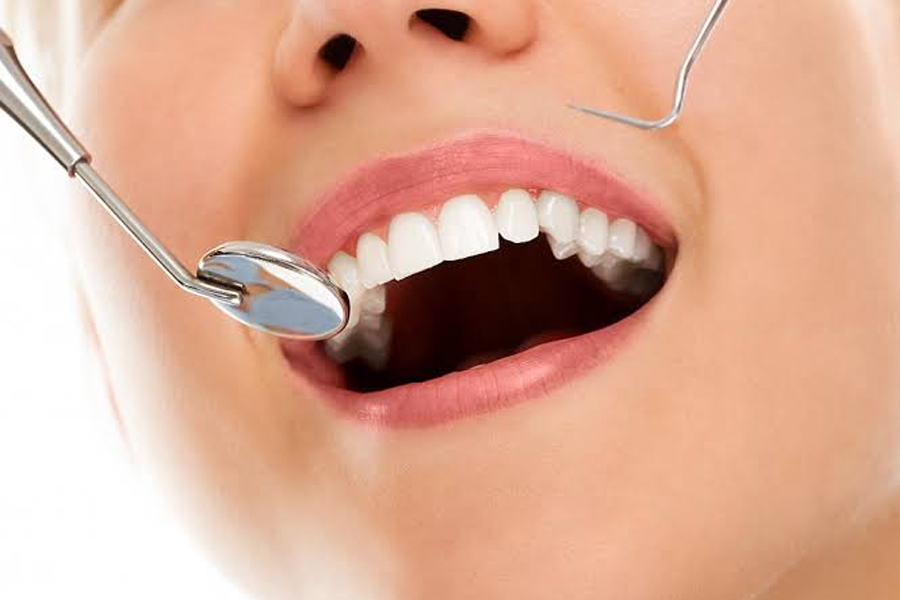
When most people think of going to the dentist, routine cleanings and filling the occasional cavity come to mind. Dental care has traditionally been viewed through a strictly clinical lens—something you do twice a year to keep tooth decay at bay. Over the last decade, however, the line between oral health maintenance and visual aesthetics has blurred. Modern dentistry treats function and appearance as two sides of the same coin, recognizing that a healthy smile works better when teeth are properly aligned, proportioned, and restored.
Whether you are looking to address decades of wear, correct minor alignment flaws, or replace old, stained restorations, modern aesthetic treatments offer precise, long-lasting solutions. Understanding how these procedures work—and how to plan your care—can help you achieve a natural, healthy smile that lasts a lifetime.
The Evolution of Aesthetic Dentistry
For years, cosmetic treatments were considered a luxury reserved for special occasions or public figures. Today, advances in ceramic materials, digital imaging, and minimally invasive techniques have made aesthetic dentistry accessible and practical for everyday patients.
Older cosmetic techniques relied heavily on aggressive tooth reduction or thick, opaque materials that looked artificial. Modern porcelain and composite resins mimic the natural translucency and light reflectance of natural enamel. Today’s restorative work blends seamlessly with existing teeth, preserving maximum natural tooth structure while optimizing structural strength.
Key Factors Driving the Shift
- Biocompatible Materials: Dental ceramics match natural tooth enamel in hardness and thermal expansion, reducing wear on opposing teeth.
- Digital Treatment Planning: Intraoral scanners and 3D imaging allow patients to preview their expected results before any physical work begins.
- Minimally Invasive Protocols: Modern bonding adhesives require far less removal of healthy enamel than traditional crowns.
Popular Aesthetic Treatments and What They Achieve
Aesthetic dentistry is not a one-size-fits-all discipline. Depending on your goals, budget, and underlying oral health, several options can rejuvenate your smile.
Professional Teeth Whitening
Over-the-counter whitening strips can address mild surface stains, but professional in-office whitening offers far greater predictability and speed. Dental-grade bleaching gels penetrate deep into the dentin layer to lift intrinsic stains caused by age, coffee, tea, or medication, brighting teeth by several shades in a single visit without damaging the enamel structure.
Direct Composite Bonding
Composite bonding offers a fast, conservative fix for minor chips, gaps, or irregular tooth shapes. Your dentist applies a tooth-colored resin directly to the tooth surface, sculps it by hand, and cures it with a high-intensity light. Bonding can usually be completed in a single appointment without anesthesia, making it an ideal choice for minor aesthetic adjustments.
Porcelain Restoration and Smile Redesign
When teeth suffer from widespread enamel erosion, deep discoloration, or structural wear, thin custom-crafted ceramic shells provide a comprehensive transformation. These fabrications cover the front surface of the tooth, re-establishing proper shape, length, and shade symmetry. Finding an experienced clinician who understands both facial aesthetics and occlusion, such as a skilled cosmetic dentist in Franklin TN to ensure that your new restorations enhance your natural facial features while maintaining a comfortable, functional bite.
Health Benefits of a Well-Aligned Smile
A aesthetic smile is not just about looks; it directly impacts overall oral health. Misaligned, crowded, or heavily worn teeth are significantly harder to clean, creating tight spaces where plaque and bacteria accumulate.
- Easier Hygiene: Straight, evenly spaced teeth make daily brushing and flossing far more effective, reducing the risk of periodontal disease and interproximal decay.
- Balanced Bite Distribution: Uneven tooth alignment places excessive stress on specific teeth during chewing, leading to premature enamel wear, micro-fractures, and jaw discomfort.
- Gum Tissue Support: Properly proportioned restorations help maintain a healthy gum margin, preventing tissue recession and food impaction.
Protecting Your Restorations for the Long Term
Investing in aesthetic dental treatments requires a commitment to ongoing maintenance. While high-grade porcelain and composite materials are resistant to decay, the natural tooth structure underneath remains susceptible to cavities and gum inflammation.
Daily Maintenance
Brush twice daily using a soft-bristled toothbrush and non-abrasive fluoride toothpaste. Abrasive charcoal or whitening toothpastes can scratch composite bonding or dull the glaze on ceramic restorations over time. Daily flossing and water flossing remove plaque from around the margins of restorations where decay is most likely to start.
Managing Nighttime Grinding (Bruxism)
Clenching or grinding your teeth while sleeping exerts massive force on your bite. If you have undergone cosmetic enhancements or fitted custom dental veneers in kissimmee fl, wearing a custom-fitted nighttime guard protects your investment from chipping, cracking, or premature debonding.
Professional Maintenance
Regular dental cleanings every six months allow your hygienist to clean hard-to-reach areas using specialized polishers safe for ceramic and resin materials. Your dentist will also inspect the structural integrity and margins of your restorations at each visit to catch potential issues early.
Taking the First Step Toward Your Dream Smile
A healthy, confident smile can transform how you feel and interact with others. If you have been hiding your smile or dealing with uncomfortable bite issues, schedule a comprehensive consultation with a qualified dentist. Together, you can design a personalized treatment strategy that fits your lifestyle, preserves your natural teeth, and delivers a comfortable, natural-looking result for years to come.