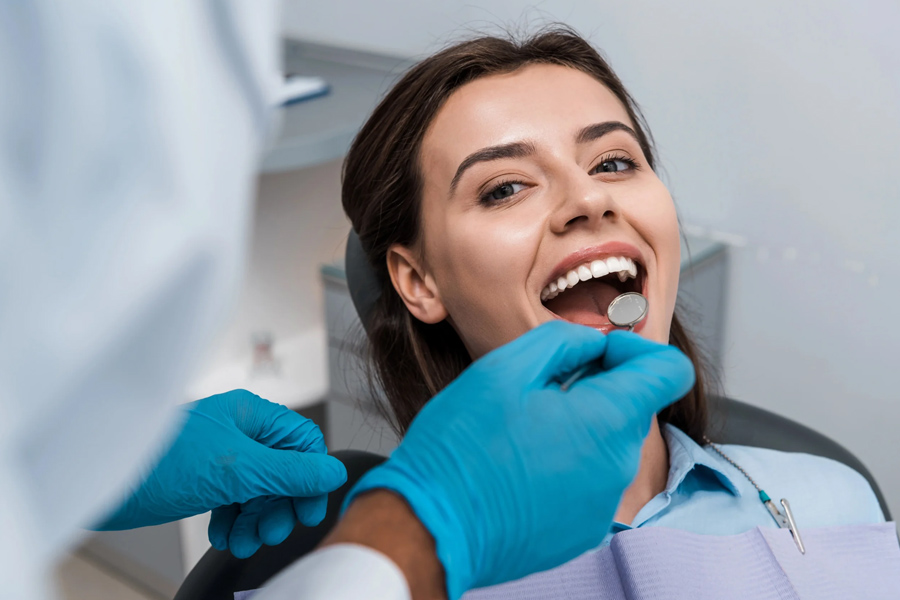
Choosing the right dental treatments can transform both your oral health and daily confidence. Modern dentistry offers options that fix long-standing structural issues while improving the appearance of your smile. Among the most popular treatments today are clear aligners for teeth alignment and permanent tooth replacements for missing teeth. Understanding how these treatments work helps you make informed choices about your care.
Modern Orthodontics: Clear Aligners vs. Traditional Braces
Orthodontic treatment has evolved significantly over the past two decades. While traditional metal braces remain effective for complex cases, clear aligner systems have become the preferred choice for teens and adults seeking a less noticeable option.
Clear aligners use custom-molded, medical-grade plastic trays to shift teeth into position gradually. Patients receive a series of trays, swapping to a new set every one to two weeks as their teeth move.
| Feature | Clear Aligners | Traditional Metal Braces |
| Visibility | Nearly invisible transparent plastic | Visible metal brackets and wires |
| Removability | Removable for eating, drinking, and cleaning | Fixed to teeth until treatment ends |
| Dietary Restrictions | None (aligners are removed during meals) | Must avoid hard, sticky, or chewy foods |
| Hygiene | Brush and floss normally | Requires special threaders and brushes |
| Comfort | Smooth plastic without sharp metal edges | Brackets can irritate cheeks and gums |
Key Benefits of Clear Aligners
Clear aligners offer several distinct advantages that appeal to busy adults and self-conscious teens:
- Discreet Appearance: Most people will not notice you are wearing aligners, making them ideal for professionals, public speakers, and adults who prefer subtle treatment.
- Simplified Oral Hygiene: Because you remove the aligners to brush and floss, maintaining good oral hygiene is straightforward. There are no brackets to clean around or wires to trap food particles.
- No Dietary Limitations: You can eat all your favorite foods. Remove your aligners, enjoy your meal, brush your teeth, and pop the aligners back in.
- Predictable Results: Dentists use 3D digital imaging to map out your entire treatment plan before you start. You can preview how your teeth will move at every stage.
Patients interested in subtle orthodontic treatment can explore clear aligner options through specialized providers offering invisalign in Little Neck NY to get a customized alignment plan tailored to their goals. Preferred Dental Care is one such clinic, but feel free to check more providers to see your options.
Understanding Tooth Loss and Its Impact
When a tooth is lost to decay, injury, or gum disease, the consequences extend far past the visible gap in your smile. The jawbone requires constant stimulation from tooth roots to maintain its density. Without that root, the surrounding bone begins to reabsorb back into the body.
Over time, bone loss can cause adjacent teeth to shift, alter your bite alignment, and change your facial structure. Replacing missing teeth promptly preserves your jawbone structure and keeps neighboring teeth stable.
Modern Restorative Solutions for Missing Teeth
Patients missing one or more teeth generally choose among three primary restoration options:
- Dental Implants: Biocompatible titanium posts inserted into the jawbone act as artificial roots. Once integrated with the bone, a custom crown attaches to the top, creating a stable, permanent tooth replacement.
- Fixed Dental Bridges: A series of connected crowns that anchor onto neighboring natural teeth to bridge the gap left by a missing tooth.
- Removable Dentures: Full or partial removable appliances that replace multiple missing teeth across an arch.
While bridges and dentures remain viable choices, dental implants are widely regarded as the gold standard for long-term tooth replacement. Implants are the only option that directly replaces the root structure, stimulating the jawbone and preventing bone loss over time.
Comparing Implants, Bridges, and Dentures
Evaluating the differences between these options helps clarify which choice fits your lifestyle, budget, and long-term health goals.
- Durability and Longevity: Implants can last a lifetime with proper oral hygiene and regular dental checkups. Bridges typically last 10 to 15 years, while dentures usually require replacement or relining every 5 to 7 years.
- Bone Health Protection: Implants preserve jawbone density by replicating the pressure of natural roots. Bridges and dentures rest above the gum line and do not prevent underlying bone loss.
- Impact on Surrounding Teeth: Placing a dental bridge requires trimming down adjacent healthy teeth to support the anchoring crowns. Dental implants stand independently, leaving neighboring natural teeth untouched.
- Stability and Function: Implants fuse directly to the bone, offering standard chewing power without slipping. Dentures can shift while talking or chewing, requiring adhesives to stay in place.
Patients considering permanent tooth replacement should consult experienced professionals specializing in dental implants in Springfield VA to determine if they are a candidate for implant surgery. Dr. Jason Dulac is one such specialist in the area who can give further insight.
Maintaining Your Investment in Oral Health
Whether you choose clear aligners to straighten your teeth or dental implants to replace missing ones, consistent home care and professional maintenance are essential for long-term success.
- Brush Twice Daily: Use a soft-bristled toothbrush and fluoride toothpaste to clean all tooth surfaces thoroughly.
- Floss Every Day: Clean between your teeth daily to remove plaque and debris that your toothbrush cannot reach.
- Schedule Regular Checkups: Visit your dentist every six months for professional cleanings and routine evaluations.
- Wear Nightguards if Needed: If you grind your teeth at night, ask your dentist about a custom nightguard to protect your natural teeth and dental restorations from wear.
Investing time in proper oral care ensures your smile stays healthy, functional, and radiant for years to come.