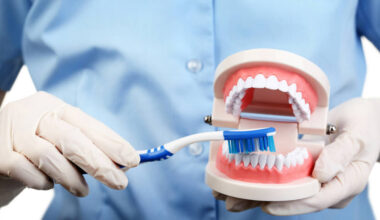
Dentures give back your ability to eat, speak, and smile with ease. The right dental sets let you enjoy daily life without worry about missing teeth. Daily use takes a heavy toll on even strong materials. Knowing how damage happens helps you protect your dentures. Small habit changes can prevent costly repairs down the road.
Accidental Drops and Hard Surface Impact
Handling dental sets during daily cleaning calls for steady hands and careful steps. Slipping hands in the bathroom sink leads to hard contact with porcelain basins or tile floors. Dropping them stands as one of the main causes of full denture breakage. A single fall onto a hard surface can snap plastic bases or chip fake teeth right away.
Accidental slips happen fast during morning or evening care. If you need a replacement in an hour, fast pro service restores your smile quickly. Prompt repair work stops painful delays in your normal schedule. Filling your bathroom sink with warm water creates a soft safety cushion against sudden falls. A folded towel on the counter offers extra cover when you handle your dental set. These small steps keep your fake teeth safe every day.
Constant Material Strain From Everyday Use
Full and partial dentures are built to last, but daily use weakens the material as years pass. Constant mouth wetness, temp changes, and normal movement cut structural strength. Material strain creates small flaws long before you see cracks.
Spotting Signs of Material Wear
Regular time in wetness weakens the acrylic base. Friction against mouth tissues creates fine surface scratches where food bits collect. Washing your dental set with soft brushes helps cut outer surface wear. Routine visits with a dental pro catch small wear before full breaks occur. Keeping your false teeth clean stops buildup that harms structural strength.
Repeated Stress During Biting and Chewing
Eating calls for real force to chew tough foods like nuts or meats. Biting forces press right against the plastic base during every single meal. Denture materials take repeated stress during biting and chewing, which creates tiny cracks beneath the surface.
These tiny cracks spread slowly through the acrylic frame under normal chewing pressure. Heavy biting on one side speeds up structural failure. Spreading your chewing load evenly across both sides of your mouth protects the frame from snapping. Cutting food into smaller pieces cuts stress on plastic dental parts. Soft foods on hard days give your mouth and false teeth a short rest.
Poor Fit and Misalignment Issues
Jawbones and gum tissues change shape as you age. Your old dental shapes stop matching the changing lines of your mouth. A loose set moves around, which creates uneven pressure spots across your jaw line.
Uneven weight spread puts heavy strain on single parts of plastic. High-pressure spots crack with ease under normal chewing forces. Regular relining visits keep pressure spread evenly across the whole surface. Getting your fit adjusted brings back comfort and stops localized strain. A proper fit helps your fake teeth last much longer without sudden snaps.
Protecting Your Dental Investment
Preventing denture damage calls for proper daily care and careful handling habits. Always line your sink with a soft towel during cleaning to prevent impact breakage. Keeping up with regular dental checkups helps check fit, alignment, and material strength. Contact your dental team today to review your denture care routine and book a pro checkup.