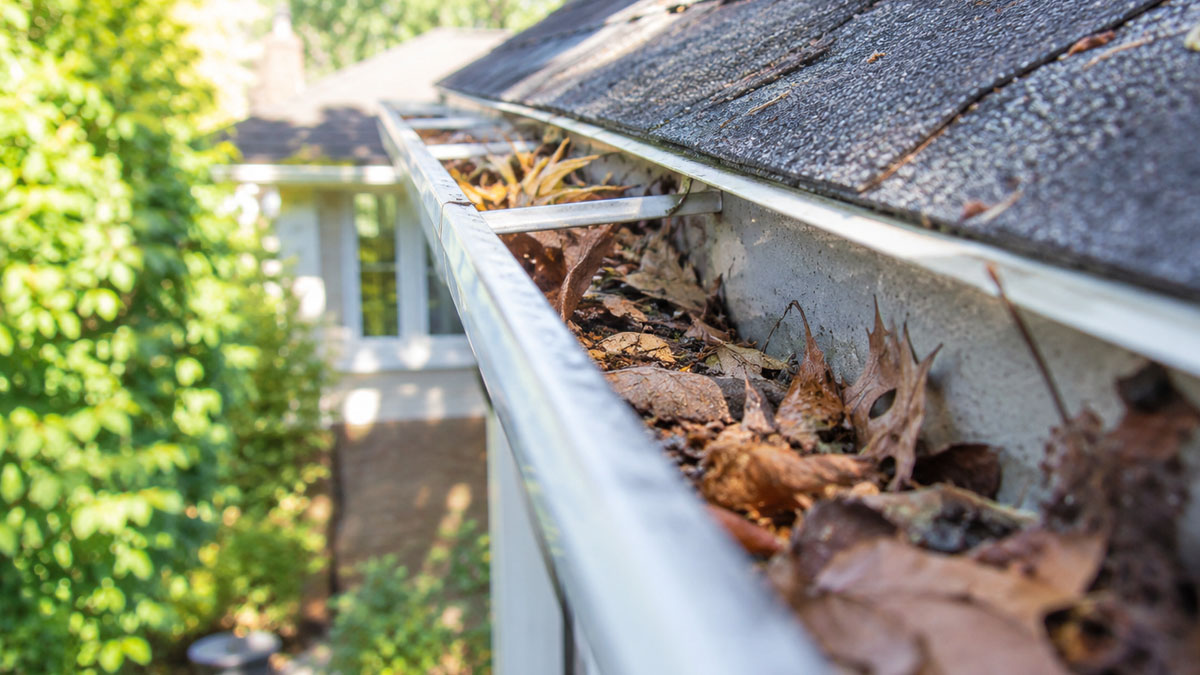
Cleaning leaves and debris is an important part of exterior maintenance, but not every drainage problem can be solved by clearing a blockage. Components can loosen, shift, corrode, separate, or lose their intended alignment as they age and experience repeated weather exposure. Recognizing these changes helps homeowners distinguish ordinary maintenance from conditions that may require repair or replacement.
A functioning drainage system should collect roof runoff and move it toward designated discharge areas without repeatedly spilling water where it does not belong. Gutters that overflow despite being clear, pull away from the structure, or develop recurring leaks may be showing signs of a larger problem. Looking at how the entire system behaves is more useful than assuming every issue starts with debris.
Homeowners can perform basic observations safely from the ground, particularly during and after rainfall. All-Side Roofing & Restoration LLC can be considered when visible changes or recurring drainage problems require a closer professional evaluation. Understanding the cause helps determine whether routine maintenance remains appropriate or more extensive work should be planned.
Repeated Overflow Can Indicate More Than a Simple Clog
Overflow is often associated with leaves, twigs, and other accumulated debris. Cleaning may solve the problem when a blockage is truly responsible. However, water that repeatedly spills over the same area after the system has been cleared deserves additional attention.
The section may no longer be positioned correctly, or another part of the drainage path may be interfering with normal flow. Observing where overflow begins can provide useful information. Water spilling near a corner, connection, or downspout may point toward a different concern than widespread overflow along a long section.
Avoid assuming that repeated cleaning is automatically the solution. If the same symptom returns during ordinary rainfall, document its location and frequency. A persistent pattern can help a professional determine what needs closer examination.
Sagging Sections Can Change the Intended Water Path
Drainage components depend on appropriate positioning to move water toward their outlets. A section that visibly sags may hold water rather than allowing it to continue through the system. Over time, standing water and collected debris can place additional stress on the affected area.
Sagging may be noticeable from the ground when one section appears lower than the surrounding run. Homeowners may also observe water remaining in a section after rainfall has stopped. These signs suggest that cleaning alone may not restore normal performance.
The underlying cause should be evaluated before attempting a quick adjustment. Fasteners, supports, alignment, or surrounding components may all contribute to the visible change. Addressing the reason for the movement is more useful than temporarily pushing a section back into position.
Separation From the Home Deserves Prompt Attention
A drainage system should remain securely connected along its intended mounting points. Visible gaps between a section and the structure can indicate that attachments have loosened or surrounding materials require assessment. Even a relatively small separation can change how water reaches and enters the system.
Homeowners should look along the exterior from several angles. A connection problem may be difficult to notice when viewed directly from the front but obvious from the side. Changes near corners and long uninterrupted runs are particularly worth documenting.
All-Side Roofing & Restoration LLC can assess whether a separated section represents a localized repair or part of a broader condition. Evaluating nearby attachment points provides additional context rather than focusing only on the most obvious gap. This helps define an appropriate repair scope.
Leaking Seams May Signal Deteriorated Connections
Water should travel through the drainage path rather than regularly escaping through connections. Occasional moisture on exterior surfaces does not automatically indicate a serious problem, but repeated dripping from the same seam during rainfall deserves attention. The connection may no longer be performing as intended.
Watch the area during safe rainfall conditions from ground level. Note whether leaking begins immediately or only after water volume increases. Photographs or short videos can preserve information that may not be visible once the weather clears.
Repeated leaks can affect nearby exterior finishes and ground conditions. Repair decisions should therefore consider both the connection itself and the areas receiving unintended water. Correcting the source is preferable to repeatedly addressing staining or erosion below it.
Visible Corrosion Can Provide Clues About Material Condition
Exterior drainage components experience constant exposure to moisture and changing weather. Depending on the material, visible corrosion or deterioration can eventually develop in isolated locations or across larger sections. Surface changes deserve closer attention when they occur near seams, connections, or areas that already leak.
A small cosmetic mark does not necessarily mean replacement is required. The important question is whether deterioration has affected the component’s ability to contain and direct water. Multiple weakened locations create a different situation from one limited surface concern.
Homeowners should compare affected areas with the rest of the system. If similar deterioration appears repeatedly, broader evaluation may be appropriate. The pattern often provides more useful information than the appearance of a single spot.
Downspout Problems Can Affect the Entire Drainage Process
The horizontal sections receive considerable attention, but downspouts are equally important to water movement. A system can collect rainfall effectively and still perform poorly if water cannot move through its vertical discharge path. Loose connections, visible displacement, or recurring backup may indicate a problem.
Check where downspouts connect at both upper and lower sections. Look for joints that have separated, pieces that appear twisted, or discharge extensions that no longer direct water toward the intended area. Ground conditions can also provide clues about changing water movement.
Gutters and downspouts should be evaluated as connected parts rather than independent features. A symptom that appears near the roofline may originate farther along the drainage path. Following the route from collection to discharge helps create a clearer picture.
Water Marks Can Reveal Problems Between Rainstorms
Homeowners do not always need to witness active rainfall to identify drainage concerns. Streaks, staining, soil displacement, washed mulch, or recurring marks below particular sections can reveal where water has been traveling. These clues are especially helpful when a problem occurs only during heavier rain.
Look for patterns rather than isolated discoloration. A vertical stain beneath a connection or repeated ground erosion under one edge may indicate recurring water movement. Comparing these observations with the system above can help identify areas requiring evaluation.
Water marks should not be treated as proof of one specific failure. Several conditions can produce similar symptoms. They are best used as evidence that directs attention toward a particular section for closer inspection.
Frequent Repairs Can Change the Replacement Discussion
One small repair does not necessarily indicate that the entire drainage system is nearing replacement. Localized damage can occur while surrounding components remain serviceable. The situation changes when repairs become frequent or similar problems appear in multiple locations.
Keep basic records of previous work, including dates and affected sections. Over time, this history can reveal whether maintenance is successfully preserving the system or whether new problems continue developing. Repair frequency provides useful context alongside physical condition.
Gutter services in Dayton can help homeowners review recurring concerns when they are uncertain whether continued individual repairs remain practical. The decision should account for overall condition, the number of affected areas, and how reliably previous repairs have performed. Replacement becomes a planning question based on patterns rather than one isolated defect.
Do Not Ignore Changes in Ground-Level Drainage
A drainage system does not finish its job at the roof edge. Water must ultimately reach an appropriate discharge area without repeatedly creating problems around the property. Changes at ground level can therefore reveal performance issues that are not obvious higher on the exterior.
After rainfall, look for new pooling, erosion, washed landscaping material, or concentrated water near discharge points. Compare these conditions with how the property normally drains. A newly developing pattern may indicate that a component has shifted or water is leaving the system differently.
Ground observations are particularly useful because they can often be made without special access. They also show the practical effect of a drainage problem rather than only its appearance. Changes that persist deserve investigation.
Know When Cleaning Is No Longer the Complete Solution
Routine maintenance remains valuable because debris can interfere with normal drainage and place unnecessary stress on exterior components. However, cleaning cannot correct every structural, alignment, connection, or material problem. Repeating the same maintenance while symptoms continue may delay the repair that actually addresses the cause.
Gutters showing persistent overflow, sagging, separation, recurring leaks, or widespread deterioration should be evaluated according to their overall condition. Homeowners should consider how many sections are affected and whether previous repairs have provided lasting results. These details help distinguish a manageable local concern from a broader system issue.
A dependable drainage system should move water consistently without requiring constant corrective attention. By watching for physical changes, tracking recurring symptoms, and examining where water travels during storms, homeowners can recognize when ordinary maintenance is no longer enough. Timely evaluation then provides a clearer basis for choosing between focused repairs and a planned full replacement.



