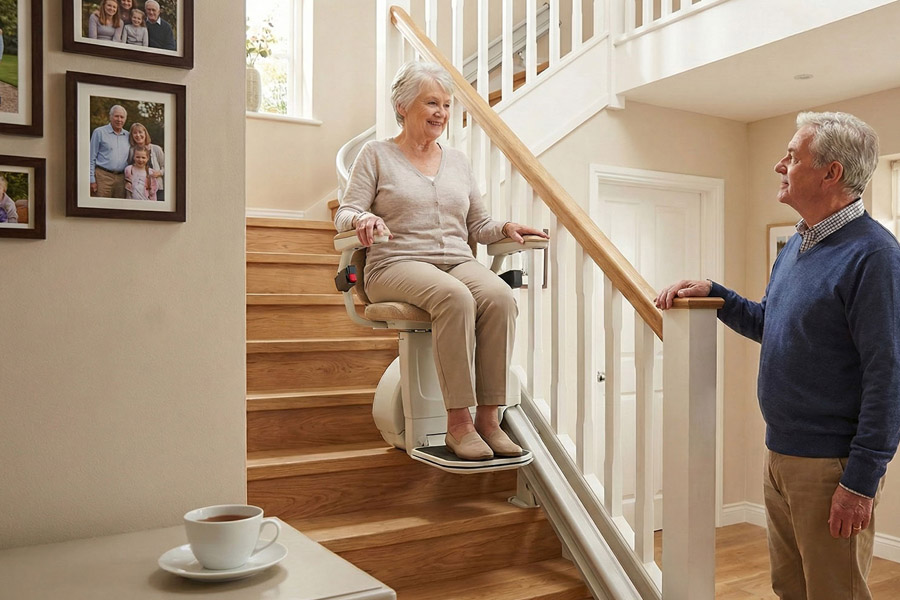
Many homeowners want to remain in a familiar house as their routines and mobility needs change. Planning for that goal involves more than solving an immediate difficulty with stairs. A Bruno Stair Lift can be considered as one part of a broader strategy for keeping important rooms accessible while preserving the home’s familiar layout.
Long-term planning works best when homeowners examine how they expect to use their property over the coming years. Bedrooms, bathrooms, kitchens, laundry rooms, entrances, and recreational spaces may be distributed across several floors. Understanding which areas will remain important helps residents make decisions that support everyday comfort without reorganizing the entire home unnecessarily.
Accessibility decisions also benefit from considering household changes before they become urgent. Stairlift Virginia can discuss the existing staircase while homeowners evaluate their routines, priorities, and future expectations. This wider perspective helps connect mobility improvements with the way residents actually want to continue living in their home.
Identify the Floors That Matter Most
Not every floor serves the same purpose. One level may contain essential living spaces, while another holds rooms that residents use only occasionally.
Homeowners can begin by listing the activities completed on each floor. Sleeping, bathing, cooking, working, relaxing, and laundry usually deserve greater attention than infrequently accessed storage.
This exercise reveals which staircase connections have lasting value. It can also show whether certain rooms are likely to become more important as household routines evolve.
Think Beyond an Immediate Mobility Change
A current challenge may encourage homeowners to explore accessibility options, but planning should not stop there. Mobility, household responsibilities, and daily schedules can continue changing.
Considering future routines does not require predicting specific circumstances. Instead, homeowners can identify spaces they would prefer to keep using even if traveling between floors becomes less convenient.
That perspective supports more durable decision-making. The goal becomes maintaining access to meaningful areas rather than responding only to today’s most noticeable difficulty.
Consider Future Bedroom Arrangements
Bedrooms often influence long-term accessibility planning because they anchor morning and nighttime routines. Homeowners should consider whether their current bedroom is likely to remain their preferred choice.
Some houses contain possible bedroom spaces on multiple levels. Moving rooms may appear simple on paper, but location, privacy, storage, nearby bathrooms, and personal preference can make relocation less appealing.
Maintaining access to an established bedroom can preserve familiar routines. Homeowners should therefore evaluate room arrangements before assuming that changing floors will provide the easiest long-term solution.
Evaluate Bathroom Access Carefully
Bathroom location can be just as important as bedroom placement. A comfortable sleeping arrangement becomes less practical if reaching an appropriate bathroom requires difficult movement between levels.
Review the Entire Daily Route
Homeowners can trace the path between bedrooms, bathrooms, kitchens, and living spaces. This reveals how several essential destinations connect throughout a normal day.
Stairlift Virginia can consider staircase access within this broader household pattern. Evaluating complete routes helps residents avoid focusing on one room while overlooking another space they use repeatedly.
Keep Important Living Spaces Available
Long-term comfort includes more than basic household necessities. Family rooms, libraries, hobby spaces, workshops, and home offices can remain meaningful parts of everyday life.
Residents may spend significant time in these spaces because they support work, relaxation, social connection, or personal interests. Losing convenient access can change how fully the home is used.
Accessibility planning should therefore reflect personal priorities. A room does not need to be essential for cooking or sleeping to deserve consideration in a long-term plan.
Review How the Staircase Connects Rooms
The staircase is part of a larger circulation system. Upper and lower landings may connect directly to hallways, entrances, bedrooms, or shared living areas.
A Bruno Stair Lift should be evaluated in relation to these surrounding spaces rather than as an isolated addition. Homeowners can consider where travel begins, where it ends, and how residents move after reaching each floor.
This approach provides useful context for long-term planning. Convenient movement depends on the complete route between destinations, not merely the staircase itself.
Consider Changes in Household Composition
Homes can change as family circumstances evolve. Adult children may move away, relatives may move in, or caregivers and visitors may become more frequent.
These changes can influence how bedrooms, hallways, and shared spaces are used. A quiet upper floor today could become a more active household area later.
Homeowners do not need to plan for every possibility. Recognizing reasonable changes simply helps them avoid making accessibility decisions based on a household arrangement that may be temporary.
Preserve Flexibility in Room Use
Flexible rooms can make long-term home planning easier. A guest room might later become an office, while a hobby room could serve another purpose as priorities change.
Residents should consider whether accessibility choices support this flexibility. Maintaining convenient connections between floors can allow rooms to evolve without forcing major changes elsewhere.
Long-term comfort often depends on having options. A home that can accommodate changing routines may remain practical for longer than one organized around a single fixed arrangement.
Coordinate Accessibility With Planned Renovations
Homeowners sometimes plan painting, flooring, remodeling, or other improvements around the same period as accessibility changes. Coordinating projects can reduce unnecessary disruption and prevent conflicting schedules.
Stair Lift Installation should be considered alongside renovation plans that directly affect the staircase or nearby areas. Homeowners can discuss project timing before permanent finishes or layout changes are completed.
Good sequencing can make household projects easier to manage. It also gives residents an opportunity to consider accessibility while broader home improvements are still being planned.
Prepare for Changing Daily Schedules
Retirement, remote work, caregiving responsibilities, and lifestyle changes can alter how frequently different floors are used. A staircase that was mainly traveled in the morning and evening may eventually become part of daytime routines.
Homeowners can think about how their schedules are likely to develop. More time spent at home can increase the importance of convenient access to hobby rooms, offices, patios, or other spaces.
Planning around possible routines creates greater flexibility. It keeps accessibility decisions connected to everyday life instead of a narrow snapshot of current habits.
Include Maintenance in Long-Term Planning
Accessibility equipment becomes part of the home, so homeowners should understand that ongoing care deserves attention. Keeping service information and relevant documentation organized can simplify future communication.
Stairlift Virginia can explain homeowner considerations associated with the selected setup. Residents can then keep important information somewhere accessible to family members or others who may assist with household management.
Simple organization is usually sufficient. The objective is to make future maintenance easier to coordinate rather than waiting until information is needed unexpectedly.
Reassess the Home After Major Changes
A long-term plan should remain flexible. Renovations, new furniture, different room assignments, or changing household routines can affect how people move around the property.
Homeowners can periodically review whether important spaces remain convenient to reach. Small organizational changes may improve circulation without requiring substantial modifications.
This review is especially useful after major household transitions. Accessibility planning becomes more effective when it evolves with the property instead of remaining tied permanently to earlier circumstances.
Approach Installation With Future Use in Mind
Stair Lift Installation is an immediate project, but its role in the home can extend well beyond project day. Homeowners should therefore consider how the staircase and surrounding rooms may function over time.
Future use includes both the person benefiting from improved access and other residents who continue using the stairs. Landings, hallways, doors, and shared circulation areas remain part of normal household life.
Thinking ahead encourages balanced decisions. The objective is an arrangement that supports accessibility while respecting the home’s broader function.
Build a Plan Around Staying Comfortable
Remaining in a familiar home can depend on continued access to the rooms and activities that make the property useful. Thoughtful planning considers bedrooms, bathrooms, living areas, changing schedules, household composition, and future room arrangements together.
A Bruno Stair Lift may form one element of that broader approach. Long-term accessibility works best when equipment decisions are connected with realistic expectations about how residents want to use their home.
Homeowners do not need to predict every future need to plan effectively. By preserving flexibility, coordinating Stair Lift Installation with other household changes, and periodically reviewing how spaces are used, residents can create a practical strategy that supports comfort while allowing their home to adapt alongside them.