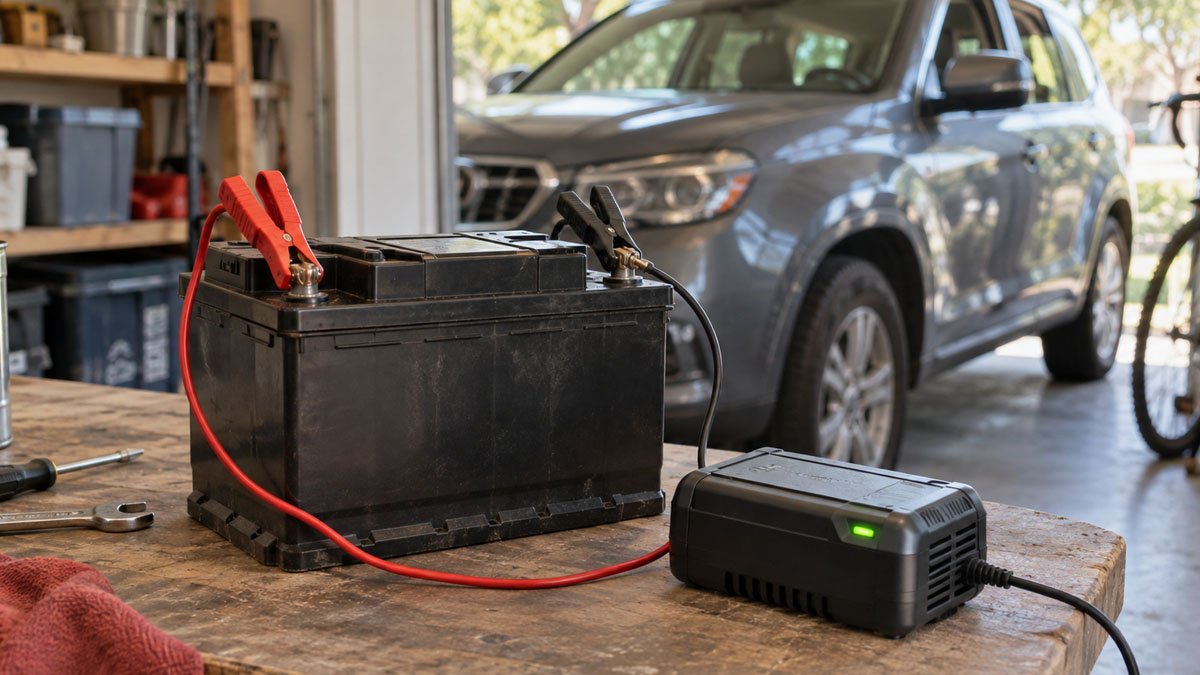
There is something quietly frustrating about a dead battery. You turn the key, press the button, or flip the switch, expecting life, movement, momentum—and instead, silence. It feels small, almost silly, until it happens at exactly the wrong moment. That is why battery care matters more than many people realize. A healthy battery is not just a piece of equipment doing its job in the background. It is reliability. It is convenience. It is one less surprise waiting in the dark.
When you start looking into smarter battery maintenance, one tool stands out for good reason: the trickle charger. Used correctly, it can help preserve battery health, reduce preventable wear, and extend service life in ways that feel surprisingly practical. If you have ever left a car, motorcycle, boat, lawn tractor, or backup power unit sitting unused for weeks, you already know the problem. Batteries slowly lose charge even when they are disconnected from daily demands. Time alone can nibble away at performance.
This guide explores how trickle charging works, why it matters, and how you can use it safely to get more life from your batteries.
Why Batteries Lose Strength Over Time
Batteries are never truly “doing nothing.” Even while sitting still, they naturally self-discharge. Temperature changes, age, internal chemistry, and long periods of inactivity all chip away at stored power. Leave a vehicle parked through winter or let seasonal equipment sit untouched, and the battery may slip into a weakened state that shortens its overall lifespan.
That is where smart maintenance enters the picture. A standard battery charger is excellent when a battery needs a stronger refill after being drained. But keeping a battery topped off gently over time calls for a different approach. A low, steady charge can make all the difference when your goal is preservation rather than a quick recovery.
How a trickle charger Helps Protect Battery Life
A trickle charger is designed to deliver a slow, controlled charge to a battery over an extended period. Instead of flooding it with power, it feeds just enough current to compensate for natural self-discharge. This steadier pace can help a battery remain at a healthier charge level during storage or inactivity.
That matters because deeply discharged batteries often suffer damage. In lead-acid batteries, for example, allowing voltage to stay too low can encourage sulfation, a process that reduces capacity and overall performance. Over time, repeated neglect can leave a battery struggling to hold a charge at all.
Think of it less like a dramatic rescue and more like quiet, steady care. The battery is not being pushed; it is being supported. And that support can add up over months and years.
Battery Charger Basics: Choosing the Right Fit
Not every charging device serves the same purpose, and understanding the difference can save both money and frustration. A battery charger generally restores charge more quickly, which is useful when you need a battery back in service soon. However, for long-term maintenance, a charger built for low-output holding power is often the better fit.
When shopping, it is important to match the charger to the battery type and voltage. Flooded lead-acid, AGM, gel, and lithium batteries all have different needs. Using the wrong charging profile can reduce performance or even create safety risks. Features such as automatic shutoff, float mode, and overcharge protection are worth seeking out because they make maintenance easier and safer.
This is where many people first dabble in battery care beyond the basics. A neighbor once decided to dabble in restoring an old motorcycle that had been sitting under a tarp for years. The engine needed attention, the tires were tired, and the battery seemed hopeless. But with patient charging and proper maintenance, that old machine slowly came back to life. It was a reminder that a little care, applied consistently, can awaken more than expected.
When Trickle Charging Makes the Most Sense
Trickle charging is especially useful for vehicles and equipment that spend long stretches parked or stored. Classic cars, boats, RVs, motorcycles, snowmobiles, riding mowers, and generators all benefit from battery maintenance during off-seasons. Rather than discovering a dead battery on the first day of use, you are able to return to a machine that feels ready and dependable.
There is also a financial angle that cannot be ignored. Replacing batteries again and again feels like dropping money into a hole. One family described it almost like paying a deposit on forgetfulness—small at first, then irritating, then expensive. They kept replacing the same neglected battery every couple of years until they finally changed their maintenance habits. Once they started storing the vehicle properly and keeping the battery cared for, the cycle of waste slowed down. That lesson lands hard because it is so relatable: prevention often costs less than neglect.
Common Mistakes You Should Avoid
Even a helpful tool can cause problems if used carelessly. One major mistake is leaving a basic charger connected too long without monitoring. Overcharging can generate heat, shorten battery life, and in some cases become dangerous. That is why modern maintenance chargers with automatic regulation are often recommended over older, unsophisticated units.
Another mistake is ignoring battery condition altogether. If a battery is cracked, leaking, badly swollen, or severely damaged, charging may not be safe. Corroded terminals should also be cleaned carefully before use, and all manufacturer instructions should be followed.
Then there is the emotional side of battery neglect—the moment when a machine starts acting so strangely that everyone jokes it has gone batty. A small boat owner once laughed that his electrical system had gone batty after months in storage. Lights flickered, the starter groaned, and confidence disappeared. The real culprit was not mystery or bad luck. It was an undermaintained battery begging for attention long before it failed.
Simple Habits That Extend Battery Longevity
Good battery care does not need to be complicated. Store equipment in appropriate conditions when possible. Keep terminals clean. Check connections. Use the right charger for the right battery chemistry. If a battery will sit unused for an extended time, maintain it before it slips into a damaging low-charge state.
Consistency matters more than intensity. Small maintenance habits prevent larger headaches. And emotionally, that is part of the appeal. There is reassurance in knowing that a machine you depend on is being quietly protected while it waits.
The real value of a well-used trickle charger is not just technical; it is practical and deeply human. It saves time, reduces waste, and helps you avoid those deflating moments when plans stop before they begin. Batteries may seem ordinary, but the peace of mind that comes from caring for them well is anything but ordinary. When you understand the role of gentle, sustained charging, you unlock a simple way to make your equipment last longer and serve you better.