Termites are among the most destructive pests that can affect residential and commercial properties. Unlike many insects that are easy to notice, termites often remain hidden inside walls, beneath floors, around foundations, or within wooden structures while they gradually consume cellulose-based materials. Because significant damage can develop before an infestation becomes obvious, understanding termite behavior, warning signs, prevention methods, and professional treatment options is essential for protecting a property.
A termite problem should never be dismissed simply because there are no visible insects. Many termite species spend most of their lives concealed, making regular inspections an important part of responsible property maintenance. Professional pest control can help identify vulnerable areas, determine whether active colonies are present, and establish an appropriate treatment strategy based on the condition of the property.
Understanding How Termites Affect Properties
Termites feed primarily on cellulose, which is found in materials such as wood, paper, cardboard, and other plant-based products. Homes contain many potential food sources, including structural framing, floor joists, wooden beams, cabinets, trim, and other components. When termites gain access to these materials, they can continue feeding while remaining hidden from everyday view.
Subterranean termites are particularly concerning because colonies may live in soil and establish protected pathways toward structures. Other termite species can live directly within wooden materials. Their behavior and nesting habits vary, which means identifying the type of termite involved can help determine the most suitable control approach.The damage caused by termites may initially be subtle. A small area of weakened wood can eventually become a structural concern if the infestation continues unchecked. For this reason, early detection and professional evaluation can make a major difference in preventing extensive repairs.
Common Warning Signs of Termite Activity
Recognizing early warning signs can help property owners arrange an inspection before damage becomes severe. One of the most recognizable signs is the presence of discarded wings. During reproductive flights, winged termites may leave an established colony, and piles of shed wings near windows, doors, light fixtures, or other areas can indicate nearby activity.
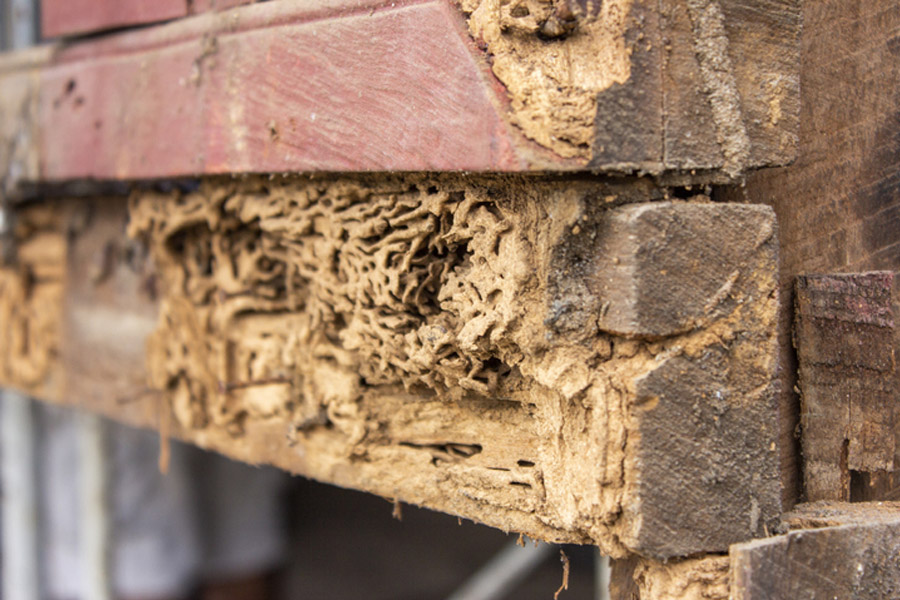
Mud tubes are another common warning sign, particularly with subterranean termites. These narrow structures can appear along foundations, walls, crawl spaces, or other surfaces where termites travel between their colony and food source. Finding mud tubes does not necessarily reveal the full extent of an infestation, but it is a strong reason to request professional evaluation.
Other indicators may include hollow-sounding wood, blistered or damaged wood surfaces, small cracks, buckling flooring, doors or windows that suddenly become difficult to operate, and visible insects. Because these signs can sometimes resemble ordinary moisture or aging-related problems, professional inspection is useful for determining the actual cause.
Why Termites Are Difficult to Detect
One of the greatest challenges associated with termites is their ability to remain hidden. Unlike ants or other household pests that may regularly appear in open areas, termites often travel through concealed spaces. They can move through soil, wall voids, crawl spaces, foundations, and wooden structures without being noticed.A property may therefore have an active termite infestation even when occupants rarely see insects. By the time visible damage appears, termites may have already been feeding for an extended period.This hidden behavior makes professional inspections particularly valuable. Trained technicians know where to look for evidence and can examine areas that homeowners may overlook. They can also distinguish termite damage from damage caused by water, fungi, carpenter ants, or normal deterioration.
The Importance of Professional Termite Inspections
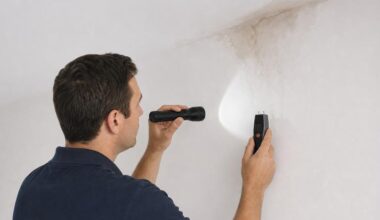
A professional termite inspection provides an opportunity to identify both active infestations and conditions that could encourage future activity. During an inspection, technicians may examine foundations, crawl spaces, basements, attics, structural wood, moisture-prone areas, expansion joints, plumbing penetrations, and other vulnerable locations.The inspection should go beyond searching for visible insects. Evidence such as mud tubes, damaged wood, wings, droppings, moisture, and potential entry points can help professionals understand what is happening throughout the property.Regular inspections are especially useful for older structures and properties with a history of termite activity. Even after treatment has been completed, periodic inspections can help identify new activity before it develops into extensive damage.
How Moisture Can Contribute to Termite Problems
Moisture is an important factor in many pest problems. Leaking pipes, poor drainage, clogged gutters, damaged roofing, foundation moisture, and inadequate ventilation can create conditions that are favorable to termites and other wood-destroying organisms.
Keeping the property dry can therefore be an important part of prevention. Plumbing leaks should be repaired promptly, gutters should direct water away from the structure, and areas such as crawl spaces should have appropriate ventilation and moisture management.Although removing moisture does not guarantee that termites will stay away, eliminating unnecessary moisture sources can reduce conditions that make the property more attractive or vulnerable.
Termite Damage Can Become Expensive
The financial impact of termites depends on the size and duration of the infestation, the parts of the structure affected, and how quickly the problem is discovered. Minor damage may require limited repairs, while extensive structural deterioration can involve significant reconstruction.Damage to support beams, joists, flooring, wall framing, or other structural components may require specialized repairs. In severe cases, property owners may need to replace compromised wood or address additional issues created by prolonged moisture and pest activity.This is why prevention and early intervention are generally preferable to waiting until damage becomes obvious. The cost of an inspection or preventative service can be much smaller than the expense associated with major structural repairs.
Professional Termite Treatment Options
Professional termite treatment can involve different methods depending on the species, infestation level, construction of the property, and location of termite activity. Treatment plans may include liquid termiticides, baiting systems, localized applications, soil treatments, or other professional pest management techniques.Liquid treatments can create treated zones around areas where termites enter or travel. Baiting systems use termite-attractive materials designed to be carried through the colony, allowing the treatment process to target termite populations over time.The appropriate method should be determined after inspection. Applying a random product without understanding where termites are active may provide only temporary results while leaving hidden portions of the infestation untreated.
Why Professional Termite Control Is Important
Attempting to handle an established termite infestation without professional guidance can be challenging. Termites may be located in areas that are difficult to access, and visible evidence may represent only a small portion of the overall colony.Professional pest control technicians can evaluate the structure, identify likely entry points, determine the extent of activity, and recommend an appropriate treatment strategy. They can also explain preparation requirements and provide guidance for reducing conditions that could contribute to future infestations.When searching for dependable termites control, property owners should consider a provider that emphasizes inspection, targeted treatment, prevention, and follow-up rather than relying on a single quick application.
Protecting Wooden Structures
Because termites depend heavily on cellulose-based materials, protecting exposed wood is an important part of property maintenance. Wooden components should be kept away from direct soil contact where appropriate, and damaged or decaying wood should be repaired or replaced.Firewood, lumber, cardboard, and other cellulose-rich materials should also be stored carefully and away from direct contact with the building. Keeping these materials elevated and appropriately separated can reduce opportunities for termites to move from an external food source into the structure.Wooden fences, decks, landscaping structures, and other outdoor features should also be inspected periodically. These areas can sometimes provide termites with access points toward the main building.
Landscaping and Property Maintenance
Landscaping decisions can affect pest activity around a structure. Excessive mulch placed directly against exterior walls, dense vegetation, and objects stored near foundations can make inspection and detection more difficult.
Plants and shrubs should be maintained so that they do not obstruct access to foundation walls and other areas that require regular inspection. Irrigation systems should also be positioned carefully so that they do not continuously saturate soil immediately next to the building.These measures do not replace professional termite treatment, but they can make the property easier to monitor and help reduce conditions that may support pest activity.
Preventing Future Termite Infestations
Prevention begins with regular inspection and responsible property maintenance. Property owners should monitor areas where wood meets soil, check for moisture problems, maintain drainage systems, repair leaks, and keep crawl spaces and foundations accessible for inspection.It is also important to be cautious when bringing untreated or potentially infested wood onto a property. Firewood should not be stored directly against the structure, and used wooden materials should be examined carefully before installation.After professional treatment, following recommended inspection schedules can provide another layer of protection. Termite activity can return under favorable conditions, so continued monitoring is often an important component of long-term pest management.
Termite Control for Different Types of Properties
Termites can affect more than single-family homes. Apartments, offices, warehouses, retail buildings, rental properties, and other commercial structures can also develop infestations. Each type of property may present different inspection and treatment challenges.Commercial properties often contain large amounts of wooden materials, stored cardboard, landscaping features, and concealed structural spaces. A termite problem in a commercial building can also disrupt normal operations and create concerns for employees, customers, tenants, and property managers.A professional pest management plan can be adapted to the property’s construction, occupancy, usage, and potential risk areas. Regular monitoring can be especially valuable for larger structures where a small problem may otherwise remain unnoticed.
What Property Owners Should Do After Finding Termites
Finding termites should prompt action rather than panic. Property owners should avoid disturbing suspected colonies unnecessarily and should not rely solely on surface spraying. Photographing visible evidence can be useful, but the most important step is arranging a professional inspection.It is also wise to avoid removing damaged wood before the inspection if doing so would destroy evidence that could help determine the source of the problem. A qualified technician can evaluate the area and determine whether the damage is active, old, or related to another cause.Once the infestation has been assessed, the recommended treatment should be followed carefully. Termite management may require time, especially when colonies are large or located beneath structures.
The Long-Term Value of Professional Pest Management
Professional termite control is not simply about eliminating insects that can be seen. Effective service focuses on identifying hidden activity, addressing the source of the infestation, protecting vulnerable parts of the structure, and reducing the conditions that encourage future problems.A comprehensive approach can help property owners make informed decisions about treatment and repairs. It also provides an opportunity to establish an ongoing inspection routine that can identify future activity at an earlier stage.For homeowners and property managers, this combination of inspection, treatment, prevention, and monitoring can provide greater confidence that the property is being protected from one of the most persistent wood-destroying pests.
Conclusion
Termites can cause serious property damage while remaining hidden for long periods, making awareness and early detection essential. Warning signs such as mud tubes, discarded wings, damaged wood, hollow-sounding surfaces, and unexplained structural changes should never be ignored. Regular inspections can help identify activity before it becomes a major repair problem.Professional termites treatment provides a structured way to evaluate the infestation, determine suitable control methods, and establish prevention measures. Rather than relying on temporary solutions or treating only visible evidence, property owners can benefit from a comprehensive approach that considers the entire structure and the conditions surrounding it.With professional inspection, appropriate treatment, moisture management, property maintenance, and continued monitoring, homeowners and businesses can take practical steps toward protecting their structures from termite damage and maintaining a safer, more secure property for the long term.