Would you like to stop paying for plumbing problems that could have been avoided?
Only when something goes wrong do most homeowners pay attention to their pipes. Ceiling stains. Gurgling drains. Suddenly doubling water bills with no apparent cause. By the time you see those problems, the cheap solution isn’t viable anymore. Only expensive solutions remain.
But here’s the thing…
Hidden inside walls and under your front yard, your plumbing is one of your house’s most valuable assets. It’s also the system that usually receives the least amount of attention.
The good news?
Preventive maintenance is simple, affordable, and it works.
What you’ll walk away with:
- Why Plumbing Is A Home’s Most Expensive Hidden System
- The Small Leaks That Cost The Most Money
- What A Maintenance Visit Should Actually Cover
- Seasonal Checks Every Homeowner Can Do
Why Plumbing Is A Home’s Most Expensive Hidden System
Consider what plumbing is. Supply lines, drain lines, vents, water heater, fixtures, valves and a line exiting into the street. Dumping all of that at once would be more than you paid for your roof.
And unlike a roof, nobody can see it.
That’s precisely why preventative residential plumbing services are so important. A professional plumber can spot a corroded joint, hairline crack or roots infiltrating a line long before it becomes an emergency. Identifying an issue that early can turn a major sewer repair into a straightforward afternoon visit. Homes that receive routine residential plumbing services just don’t experience the devastating issues that can drain a bank account overnight.
Statistics prove just that. The average water damage and freezing claim comes in at over $15,000. About 1 in 60 homeowners with insurance will file one of these claims in a given year.
That is so much money for something a plumber could have identified within one hour.
The Small Leaks That Cost The Most Money
Most people assume that the leak has to be earth-shattering to be costly.
It doesn’t.
A faulty toilet flapper leaks quietly. A pinhole leak inside a supply line behind drywall drips for years. A slab leak below the foundation could go for a year before you notice a warm spot on the floor.
The typical home leaks almost 10,000 gallons per year due to simple fixes like drippy faucets and nearly 10 percent of homes waste 90 or more gallons daily.
Read that again.
90 gallons per day. Everyday. Month after month paying for it on a water bill. Not doing anything useful with any of it.
The leaks worth checking first are:
- Toilet flappers and fill valves
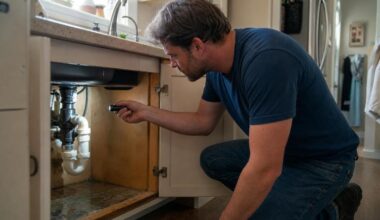
- Under-sink shut-off valves
- Water heater connections and the drain pan
- Hose bibs and outdoor spigots
- Washing machine supply hoses
Here’s a free tip that may save you money. Shut off all water taps and appliances inside the house. Read the water meter. Wait two hours without using water and read again. If the number changed there’s a leak. That one test has protected home owners from thousands of dollars.
What Happens Underground
And here is the part almost nobody thinks about…
The pipe that runs from the house to the municipal sewer is by far your costliest plumbing fixture, buried underground.
Roots grow into it. Dirt slopes around it. Ancient clay and cast iron segments break apart. Build-up gums up the interior walls until the pipe becomes a sliver of its former glory. None of that pops up until sewage pours into your shower.
Nor is the big picture much better. The American Society of Civil Engineers gave U.S. wastewater infrastructure a D+ rating in 2025. The nation’s sewer system has been valued at over $1 trillion. Aging public lines place increased stress on private lines that feed into them.
Here’s the solution. You have a camera inspection every few years and know what the condition of the line is. Tree roots just starting to come in get cut out before they crack the pipe. Sections that are starting to dip can be corrected before they are one section instead of thirty feet.
Pretty simple, right?
What A Maintenance Visit Should Actually Cover
Not all service calls are maintenance calls. Preventative maintenance is different from repair maintenance.
A proper preventive visit should include:
- A full inspection of visible supply and drain lines
- Water pressure testing at multiple fixtures
- Water heater flush and anode rod check
- Testing every shut-off valve in the home
- Drain flow checks in kitchens and bathrooms
- A look at the main shut-off and pressure regulator
Speaking of water, pressure warrants discussion too. Pressure over 80 psi relentlessly stresses every joint, valve and appliance connection in your home. Most homeowners have never checked their pressure. A pressure gauge is cheaper than takeaway and attaches to any outdoor faucet.
Water heaters need attention also. Buildup occurs on the bottom of the tank, the unit strains, and it dies years before it should. Flushing it annually takes less than an hour.
Seasonal Checks Every Homeowner Can Do
Plumbing problems follow the calendar more closely than people realise.
Cold weather is the first one that comes to mind. Pipes that freeze and burst are located in attics, crawl spaces and exterior walls. Adding insulation to those pipes before the first hard freeze is inexpensive insurance. Disconnecting garden hoses is important because when a hose is left connected it holds water in the bib that freezes and expands.
Seasons create varying issues. Tree roots expand more rapidly during the spring and summer. That’s when underground lines see the most damage. Heavy rains move soil and put pressure on buried pipes.
A simple seasonal routine looks like this:
- Autumn: insulate exposed pipes, disconnect hoses, test the heater
- Winter: keep cabinet doors open during freezes, know where the main shut-off is
- Spring: check for leaks after thaw, schedule a drain inspection
- Summer: watch for slow drains, flush the water heater
None of these take more than an afternoon.
Locking In A Routine That Actually Lasts
Plumbing maintenance is not glamorous work. It never seems like an emergency until two in the morning when something explodes.
Math doesn’t lie though. Annual inspection costs pennies on the dollar compared to one claim for water damage. Camera inspection of the main cost less than ripping up your yard. Flushing that water heater costs way less than buying a new one.
Keep in mind that rushing isn’t the objective. Prevention is.
Begin by taking the meter test this week. Locate your main shut-off valve and educate your family on where it’s located.
Buildings don’t collapse all at once. They collapse slowly and quietly, typically somewhere no one is looking.