A roofing project is much more than the installation of an exterior covering over a building. The roof is a complete protective system made up of multiple layers and components that must work together to control water, withstand weather exposure, support proper ventilation, and protect the structure below. When a property requires a new roof, careful planning and professional workmanship can make a significant difference in the durability and performance of the finished system. From evaluating the existing structure and selecting appropriate materials to preparing the roof deck, installing protective layers, completing flashing details, and managing drainage, every stage contributes to the final result. A properly completed roof can provide reliable protection against rain, wind, sunlight, moisture, and changing temperatures while also improving the appearance and overall condition of the property. Professional roofing services can help property owners understand their options and develop a roofing solution that addresses both immediate needs and long-term performance.
Building a Roof Around the Needs of the Property
Every building has different roofing requirements, which means a successful project should begin with an evaluation of the property rather than relying on a one-size-fits-all approach. Roof slope, structure, existing materials, drainage patterns, ventilation, building design, and environmental exposure can all influence the type of roofing system that is appropriate. A roof covering that works well for one property may not provide the same benefits on another structure.A professional evaluation allows important conditions to be identified before work begins. The existing roof may have damaged decking, deteriorated flashing, inadequate ventilation, or drainage problems that need to be addressed before new materials are installed. Identifying these conditions early helps prevent hidden problems from being covered by the new roofing system. It also gives property owners a clearer understanding of what the project involves and why specific materials or preparation steps may be necessary.
Recognizing When a New Roof Is the Better Choice
Roof repairs can be effective when damage is localized and the surrounding roofing system remains in good condition. However, repeated leaks, widespread deterioration, extensive material damage, and an aging roof may indicate that repairs are no longer the most practical solution. Continuing to repair individual areas can become expensive when new problems continue to develop throughout the roof.A professional inspection can help determine whether the existing roof still has sufficient service life or whether replacement would provide better long-term value. The decision should consider more than the number of visible leaks. The overall condition of roofing materials, roof deck, flashing, ventilation, insulation, and drainage should be evaluated. A comprehensive replacement may provide an opportunity to correct multiple weaknesses at once and create a stronger system for the future.
Planning the Roofing Project Carefully
Thorough planning helps establish a clear path from the initial inspection to the completed roof. Property owners should understand the expected scope of work, materials, preparation requirements, project timeline, and maintenance considerations before installation begins. Professionals can also evaluate potential challenges related to roof access, existing equipment, landscaping, occupied areas, and weather conditions.Material planning is another important part of the process. Roofing materials need to be ordered in appropriate quantities and should be compatible with the building and selected installation method. Planning also involves determining how flashing, underlayment, ventilation, drainage, and edge details will be handled. When these elements are considered in advance, the project can proceed more efficiently and with fewer unexpected complications.
Preparing the Existing Structure
Proper preparation is one of the most important parts of a roofing project because the new system depends on the condition of the structure beneath it. When existing roofing materials are removed, professionals can inspect the roof deck for signs of moisture, rot, deterioration, or weakness. Any damaged areas should be corrected before new materials are installed.A strong roof deck provides a secure foundation for the new system. If deteriorated decking is left beneath new materials, it may affect fastening and allow hidden problems to continue developing. Addressing the substrate before installation also provides an opportunity to identify moisture damage that may have resulted from previous leaks. Although this preparation work may not be visible once the roof is complete, it can have a major influence on long-term reliability.
Selecting Materials for Durability and Performance
Roofing materials come in many forms, and selecting the right option requires consideration of several factors. Asphalt shingles are commonly chosen for their practical performance, broad range of styles, and relatively straightforward maintenance requirements. Metal roofing is another option that can provide durability and a distinctive appearance. Other materials may be appropriate depending on the design and requirements of the property.The best material is not necessarily the one with the lowest purchase price. Property owners should consider expected service life, maintenance requirements, resistance to weather exposure, appearance, installation requirements, and long-term value. A professional roofing specialist can explain the differences between materials and help identify an option that provides an appropriate balance between cost and performance.
The Role of Underlayment
Underlayment provides an additional protective layer beneath the primary roofing material. Although the exterior surface is designed to shed rainwater, moisture can occasionally move beneath roofing materials because of wind-driven rain, damaged sections, or other conditions. Underlayment helps provide additional protection for the roof deck in these situations.Correct installation is important because underlayment needs to provide appropriate coverage and overlap. It should also be integrated with flashing and other components around vulnerable areas. The type of underlayment used may depend on the roofing system and project requirements, but the overall goal is to strengthen moisture protection and create a more complete roofing assembly.
Installing Flashing Correctly
Flashing protects areas where roofing materials meet other structures or where openings pass through the roof. Chimneys, skylights, vents, walls, valleys, and roof-to-wall transitions can all require carefully installed flashing because these areas may provide pathways for water if they are not properly protected.During a roofing project, existing flashing should be evaluated and replaced when necessary. Installing new exterior roofing materials around deteriorated flashing without correcting the problem can leave potential leak points in place. Properly integrated flashing helps direct water away from vulnerable transitions and contributes to the overall weather resistance of the roofing system.
Understanding Roof Ventilation
Ventilation is another important consideration because heat and moisture can accumulate in attic spaces when airflow is inadequate. Excessive heat may contribute to premature aging of roofing materials, while trapped moisture can lead to condensation, insulation problems, and deterioration of structural components.A professional roofing evaluation can determine whether the existing ventilation system provides appropriate airflow. Intake and exhaust ventilation should work together to promote balanced movement of air. When a new roof is being installed, addressing ventilation deficiencies can help protect the new materials and support healthier attic conditions.
Managing Water Through Proper Drainage
A roof must have an effective way to move rainwater away from the building. Slopes, valleys, gutters, downspouts, drains, and other drainage components work together to control runoff. If water cannot move away efficiently, it may accumulate in vulnerable areas and place unnecessary stress on roofing materials.Gutters should remain clear of leaves, dirt, branches, and other debris so that water can flow freely. Downspouts should discharge water away from foundation areas and other vulnerable locations. During a roofing project, drainage patterns should be evaluated so that the new roof works effectively with the property’s existing water-management system.
Paying Attention to Roof Valleys
Roof valleys deserve special attention because they collect and direct significant amounts of water. These areas can become vulnerable when materials are improperly installed, damaged, or obstructed by debris. A small weakness in a valley can result in repeated water exposure and eventually lead to moisture intrusion.Professional roofing work includes careful installation and inspection of valley areas. Appropriate materials and flashing methods should be selected based on the roofing system. Keeping valleys clear and properly maintained after installation can also help preserve drainage and reduce the likelihood of water-related problems.
Protecting Roof Edges
Roof edges are exposed to wind and weather and can require specialized detailing to maintain stability. Proper edge components help secure roofing materials and direct water toward gutters or other drainage points. Poorly finished edges may become vulnerable to wind uplift or water intrusion.During installation, professionals should ensure that perimeter areas receive appropriate attention. Edge details should be securely installed and coordinated with the rest of the roofing system. Proper perimeter work can improve the roof’s resistance to weather and contribute to a cleaner finished appearance.
Installing Roofing Materials Properly
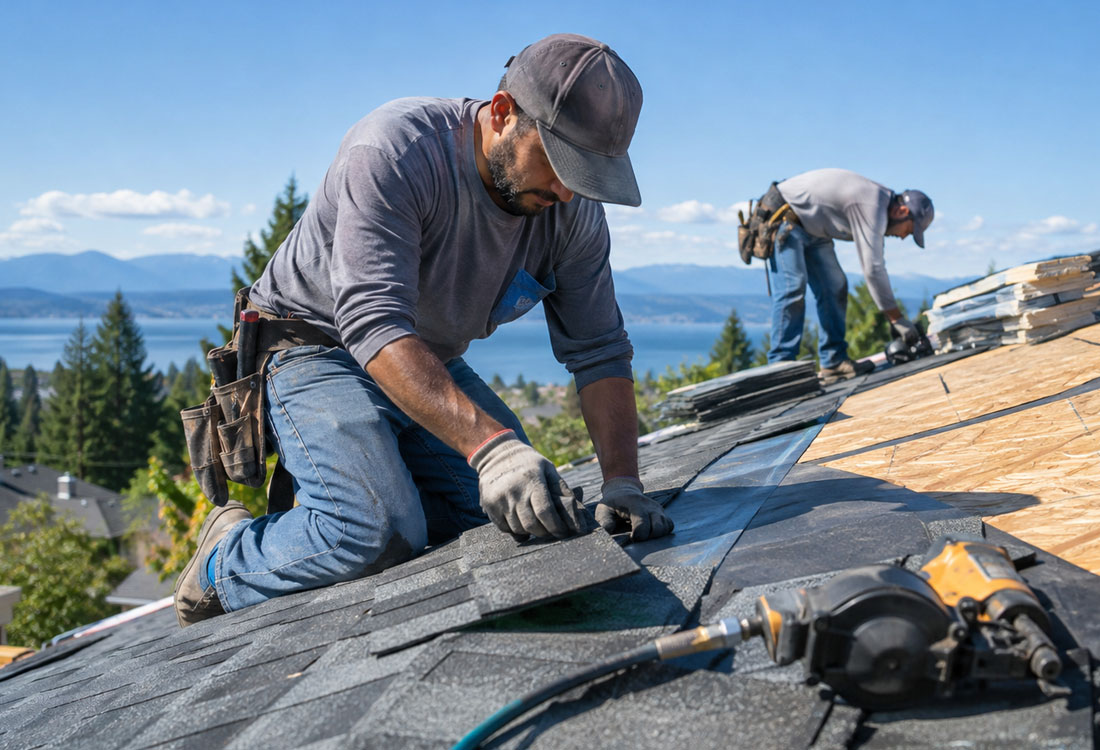
Correct material installation is essential for long-term roof performance. Shingles, panels, membranes, or other roofing products need to be aligned and secured according to appropriate installation requirements. Incorrect fastening or poor placement can create weaknesses that may become more noticeable during strong winds or heavy rainfall.Professionals also need to pay attention to overlapping materials, transitions, penetrations, and roof edges. Each component should work together to direct water away from the building. Careful installation helps create a continuous protective surface while reducing opportunities for moisture to move beneath the roofing system.
Roof Installation as a Long-Term Investment
Professional roof installation provides an opportunity to improve the protection and performance of the entire property. Rather than simply placing new materials over an existing structure, a complete roofing project can address damaged decking, outdated flashing, insufficient ventilation, poor drainage, and other underlying concerns. Correct preparation and installation can provide a stronger foundation for the new roof and help reduce premature problems.A professionally installed roof can also provide greater confidence in the property’s long-term condition. When materials are selected appropriately and installed with attention to detail, the system is better positioned to handle normal environmental exposure. Property owners can then support the roof through routine inspections, maintenance, and timely repairs as the system ages.
Coordinating Roofing With Other Exterior Components
The roof does not function independently from the rest of the building envelope. Exterior walls, siding, windows, doors, gutters, flashing, insulation, and drainage all interact with the roofing system. Problems at these connections can sometimes lead to moisture intrusion or premature deterioration.A comprehensive roofing project considers these relationships. Roof-to-wall transitions should be properly flashed, gutters should be positioned to receive runoff, and siding should be integrated correctly around roofing components. Addressing these connections during installation can improve the overall performance of the exterior and reduce the likelihood of recurring water problems.
Protecting the Property During Construction
Roofing work can create debris, noise, material movement, and activity around the property, so appropriate protection should be part of the project plan. Landscaping, windows, doors, exterior finishes, and surrounding areas should be protected from unnecessary damage during material removal and installation.Professional roofing teams should also manage work areas carefully and maintain appropriate safety procedures. Materials and tools need to be stored securely, and debris should be removed as the project progresses. Good site management helps create a more organized project and reduces unnecessary disruption to the property.
The Importance of Weather During Installation
Weather conditions can influence the scheduling and progress of roofing work. Rain, strong winds, extreme temperatures, and other conditions may affect material handling and installation procedures. Professional contractors monitor conditions and plan work accordingly to protect both workers and the roofing system.Weather protection is particularly important during the transition between removing the old roof and installing the new system. The exposed roof deck should not be left unnecessarily vulnerable to moisture. Proper planning and temporary protection measures can help reduce the risk of weather-related problems during construction.
Improving the Appearance of the Property
A new roof can have a significant impact on the overall exterior appearance of a property. Worn, stained, mismatched, or damaged roofing materials can make the building appear older or poorly maintained. New materials can create a cleaner and more consistent appearance while complementing siding, trim, windows, doors, and other exterior features.Property owners can consider color, texture, profile, and material style when selecting a new roof. However, appearance should be balanced with practical factors such as durability, maintenance, weather resistance, and compatibility with the building. A visually appealing roof is most valuable when it also provides dependable protection.
Supporting Energy Performance
Roofing can influence energy performance because it is part of the building envelope. Insulation, ventilation, roofing materials, and attic conditions can all affect how heat moves through the property. During a replacement project, property owners may have an opportunity to improve insulation or address ventilation problems.Improving these components can contribute to more consistent interior conditions and may help reduce unnecessary energy loss. While roofing should primarily provide weather protection, considering energy-related improvements during a major project can provide additional long-term value.
What Quality Workmanship Looks Like
Quality workmanship involves attention to details that may not be immediately visible after the project is complete. Proper fastening, alignment, underlayment, flashing, ventilation, drainage, and edge treatment all contribute to the durability of the roofing system.A professional approach also includes checking the completed work to ensure that materials have been installed correctly and vulnerable areas have received appropriate attention. Quality workmanship reduces the likelihood of premature failure and gives property owners greater confidence in the completed project.
Choosing Experienced Roofing Professionals
Selecting the right roofing professional is an important part of a successful project. Property owners should consider experience with the selected roofing material, project planning, workmanship, communication, and the ability to identify underlying problems.A reliable professional should explain the condition of the existing roof and provide recommendations based on the property’s actual needs. They should also communicate clearly about materials, preparation, installation, maintenance, and potential complications. Good communication allows property owners to understand what they are investing in and why each stage of the project matters.
Maintaining the Roof After Installation
Even a professionally installed roof requires ongoing care. Regular inspections can help identify developing concerns such as damaged shingles, deteriorated flashing, blocked drainage, or other signs of wear. Addressing these issues early can help preserve the roof and reduce the likelihood of larger problems.Property owners should also keep gutters and downspouts clear, remove excessive debris, and arrange professional evaluations after severe weather. Maintenance records can be useful for tracking inspections and repairs over time. A proactive maintenance strategy can extend the useful life of the roofing system and make future planning easier.
Conclusion
A successful roofing project begins long before the first new roofing material is installed. Careful evaluation, proper planning, material selection, roof deck preparation, underlayment, flashing, ventilation, drainage, and quality workmanship all contribute to the strength and reliability of the finished system. Professional roof installation can provide property owners with an opportunity to address hidden weaknesses, improve exterior protection, enhance appearance, and establish a stronger foundation for long-term roofing performance.
The value of a new roof also depends on what happens after installation. Routine inspections, gutter maintenance, drainage management, debris removal, ventilation monitoring, and timely attention to damage can help preserve the roofing system throughout its service life. Property owners should view the roof as a long-term investment rather than a one-time improvement. When appropriate materials are combined with careful preparation and professional workmanship, the result can be a dependable roofing system capable of protecting the property through changing weather and everyday environmental exposure.Ultimately, a strong roof supports the condition of the entire building. It helps protect walls, ceilings, insulation, framing, interior finishes, belongings, and other valuable components from moisture and outdoor exposure. Whether a property needs a completely new roofing system because of age and deterioration or is being upgraded as part of a broader improvement project, professional planning can make the process more efficient and effective. Investing in quality roofing work today can provide lasting benefits in protection, appearance, durability, maintenance, and overall property value.