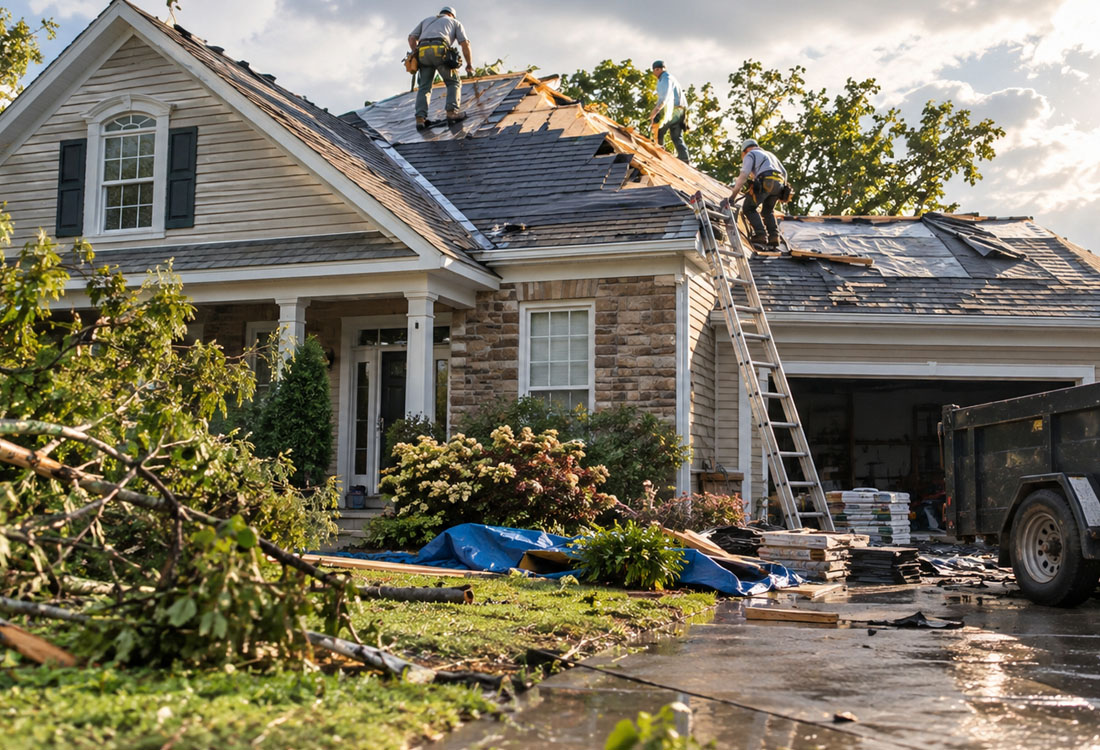
Severe weather can affect a property in a matter of minutes, leaving behind damaged roofing materials, broken gutters, compromised flashing, fallen branches, moisture intrusion, and other exterior problems. Strong winds, hail, heavy rainfall, and flying debris can weaken a roofing system even when the damage is not immediately visible from the ground. After a major weather event, prompt inspection and appropriate restoration are important because exposed or weakened areas can allow additional water to enter the structure. Professional storm restoration services help property owners assess damage, protect vulnerable areas, complete necessary repairs, and restore the roof and related exterior components to dependable condition. A thorough restoration process focuses not only on visible damage but also on hidden issues that could affect the property’s long-term performance.
Understanding Storm-Related Property Damage
Storm damage can take many forms depending on the severity and type of weather involved. High winds can lift, loosen, or completely remove shingles, while hail can create impact marks, cracks, and weakened areas across roofing materials. Heavy rain can expose existing weaknesses and cause water to enter beneath damaged surfaces. Falling branches may puncture roofing materials, damage gutters, break flashing, or affect soffits and fascia. In some cases, damage may be difficult to recognize immediately because roofing components can remain in place while their protective performance has been compromised. This is why professional inspection following severe weather can be valuable. Identifying damage early allows property owners to address vulnerable areas before additional rain or wind causes more extensive deterioration.
Why Prompt Storm Inspections Matter
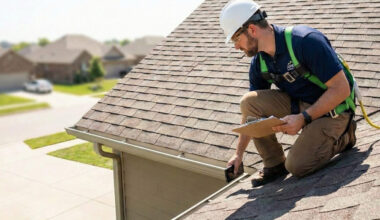
After a severe weather event, homeowners may notice obvious signs such as missing shingles or fallen branches, but some damage may remain hidden. A professional inspection can evaluate the condition of the roofing surface, flashing, roof edges, gutters, vents, and other exterior components. Inspectors can look for signs of impact, displacement, cracks, punctures, water intrusion, and structural concerns. Interior areas may also provide useful information because stains, damp insulation, peeling paint, or unusual odors can indicate that water has entered the building. Prompt inspection can help establish the extent of damage and determine whether temporary protection, localized repair, or complete replacement is necessary. Waiting too long may allow moisture to spread into areas that were not initially damaged by the storm.
Common Roofing Damage After a Storm
Roofing systems can experience several different types of damage during severe weather. Wind can loosen shingles, damage roof edges, and affect flashing around vulnerable areas. Hail can create impact damage that weakens roofing materials and may reduce their ability to protect the structure. Large debris can puncture the roof surface or damage underlying decking. Heavy rain can exploit small openings and create leaks that gradually affect insulation, ceilings, walls, and framing. Even when damage appears limited to a few shingles, nearby materials should be inspected because fasteners, underlayment, flashing, and decking may also have been affected. Professional restoration helps ensure that the visible problem is not treated without considering the surrounding system.
Protecting the Property Before Permanent Repairs
If a storm has created openings in the roofing system, temporary protection may be necessary before permanent repairs can be completed. Exposed areas can allow rainwater to enter the building, increasing the risk of interior damage. Professional contractors may use appropriate temporary measures to reduce exposure while a complete repair or replacement plan is developed. Homeowners should avoid attempting to climb onto a damaged roof themselves because unstable materials, wet surfaces, and hidden structural weaknesses can create significant safety hazards. Temporary protection should be followed by a proper inspection and permanent solution rather than being treated as a substitute for restoration.
Evaluating the Roof Deck and Underlying Structure
Storm restoration should not stop at replacing visible roofing materials. Severe weather can affect the layers beneath the exterior surface, particularly when water has entered through damaged areas. The roof deck may become weakened by moisture, while underlayment can be torn or compromised. If damaged decking remains beneath newly installed roofing materials, the completed system may not perform as expected. Professional contractors can evaluate accessible areas and determine whether underlying materials require replacement. Addressing hidden damage during restoration can help prevent future leaks, structural deterioration, and premature failure of the repaired roofing system.
Repair or Complete Roof Replacement?
One of the most important decisions following storm damage is determining whether the roof can be repaired or whether replacement is more appropriate. Localized damage to an otherwise healthy roofing system may be addressed with targeted repairs, such as replacing damaged shingles, repairing flashing, or correcting specific leaks. However, widespread damage, advanced deterioration, repeated leaks, structural concerns, or extensive material displacement may make replacement a more practical long-term solution. The decision should be based on the roof’s overall condition rather than the number of visible damaged areas alone. A professional assessment can help property owners understand the available options and choose a solution that provides dependable protection without unnecessary work.
The Role of Professional Roofing Contractors
Experienced roofing contractors play an important role in the restoration process because they understand how storm damage can affect the entire roofing system. They can evaluate roofing materials, flashing, roof edges, gutters, ventilation, soffits, fascia, and other connected components. Professional contractors also understand how repairs should integrate with existing materials and how replacement should be planned when damage is extensive. Working with experienced professionals can help property owners avoid incomplete repairs that address only visible symptoms. A detailed restoration approach considers the current condition of the roof, the type of storm damage, the age of the system, and the property’s long-term protection requirements.
For property owners who need professional storm restoration assistance, experienced roofing professionals can help with storm-related roof repairs, replacement, gutters, soffit and fascia work, and other exterior restoration needs. Professional evaluation can help determine the most appropriate solution after severe weather and ensure that vulnerable areas receive proper attention.
Restoring Damaged Gutters and Downspouts
Gutters and downspouts can suffer significant damage during severe storms, especially when high winds or falling branches are involved. Gutters may become bent, detached, cracked, or blocked by debris, while downspouts can become separated from the structure or displaced from their intended position. Damaged drainage components can create additional problems by allowing water to overflow against siding, fascia, landscaping, and foundations. During storm restoration, gutters and downspouts should be evaluated alongside the roof. Repairing or replacing damaged drainage components can help ensure that rainfall is properly controlled after the roof has been restored. A complete restoration strategy should consider how water moves across and away from the entire exterior.
Addressing Damaged Flashing
Flashing is particularly important after a storm because it protects vulnerable transitions where the roof meets other structures. Strong winds can loosen flashing, while falling debris can bend or damage it. Heavy rainfall can then enter through weakened areas and create leaks beneath the roofing materials. During restoration, contractors should inspect flashing around chimneys, skylights, vents, walls, valleys, and roof edges. Damaged or improperly secured flashing may need to be repaired or replaced to restore the roof’s water resistance. Simply replacing nearby shingles without addressing compromised flashing can allow the same leak to return.
Soffit and Fascia Restoration
Storms can also damage soffits and fascia along the roofline. Falling branches may crack these components, while high winds can loosen sections or create openings. Moisture entering through damaged roofline areas can affect wood and other structural materials over time. Fascia is also important because gutters may depend on it for support, meaning damaged fascia can affect the stability of the drainage system. Soffits can contribute to attic ventilation, so damage may also interfere with airflow. Including soffit and fascia evaluation in the restoration process can help ensure that the entire roofline is returned to functional condition rather than focusing only on the main roofing surface.
Managing Water Intrusion After a Storm
Water intrusion is one of the most serious concerns following roofing damage because moisture can continue causing problems long after the storm has passed. Water may enter through missing shingles, damaged flashing, punctures, or weakened roof edges and then travel into the roof deck and interior structure. Insulation can absorb moisture, ceilings can develop stains, and framing can deteriorate if wet conditions remain unresolved. Prompt inspection and temporary protection can help reduce the opportunity for additional water to enter. Permanent restoration should address the source of the intrusion and any materials that have been compromised. Acting quickly is especially important when additional rainfall is expected after the initial storm.
Importance of Proper Roofing Material Matching
When storm damage requires partial repairs, the replacement materials should be compatible with the existing roofing system. Differences in material type, profile, thickness, or installation method can affect both appearance and performance. In some cases, matching older materials may be difficult because the original product is no longer available. A professional contractor can evaluate the existing roof and determine the most appropriate repair strategy. When extensive damage makes matching impractical or when the existing roof is already significantly aged, complete replacement may provide a more consistent and durable solution.
Ventilation and Attic Inspection
Storm restoration also provides an opportunity to evaluate attic ventilation and related components. Although ventilation may not be directly damaged by a storm, problems with roof materials can expose or affect vents, while moisture entering through damaged areas can create condensation and insulation concerns. Proper intake and exhaust ventilation helps regulate heat and moisture in the attic and supports the performance of the roofing system. During restoration, professionals can inspect accessible ventilation components and identify potential concerns. Addressing ventilation problems when appropriate can help protect the restored roof and contribute to its long-term performance.
Preparing for the Restoration Process
Property owners should understand the restoration process before permanent work begins. A professional contractor can explain the condition of the roof, identify affected areas, discuss repair or replacement options, and provide information about materials and project scheduling. Depending on the extent of damage, restoration may involve debris removal, temporary protection, material removal, roof deck inspection, replacement of damaged components, installation of new underlayment and flashing, roofing installation, gutter work, and final inspection. Clear communication can help homeowners understand what work is necessary and why certain components may need attention. Proper preparation can also make the project more efficient and reduce confusion during the restoration process.
Avoiding Delays in Storm Restoration
Delaying restoration after significant damage can increase the risk of secondary problems. Exposed roofing materials can allow additional rainwater to enter, while loose components may become more damaged during subsequent winds. Small openings can also allow moisture to reach insulation and structural materials. Homeowners who notice storm damage should arrange a professional inspection as soon as practical. Prompt action does not necessarily mean immediately replacing the entire roof; rather, it means identifying the problem and taking appropriate steps to protect the property. Early assessment can help homeowners make informed decisions and reduce the likelihood of unnecessary complications.
Long-Term Benefits of Professional Restoration
Professional storm restoration can provide benefits that extend well beyond the immediate repair. Properly restoring damaged roofing materials, flashing, gutters, soffits, fascia, and other components can help protect the property against future weather conditions. Restoration can also identify pre-existing weaknesses that may have contributed to the extent of storm damage. Addressing these concerns during the project may improve the overall resilience of the roofing system. In addition, a properly restored roof can help maintain the property’s appearance and value while reducing the risk of repeated water intrusion. The goal should be to return the roofing system to dependable condition rather than simply making the damage less visible.
Maintaining the Roof After Storm Restoration
Once restoration is complete, regular maintenance remains important. Homeowners should inspect the roof after future severe weather, keep gutters and downspouts clear, monitor flashing and roof edges, and address visible damage promptly. Trees should be maintained when branches could contact the roof during strong winds. Attic areas should also be monitored for signs of moisture or inadequate ventilation. Routine professional inspections can help identify small problems before they become serious. Maintaining the restored system properly can extend its service life and help protect the investment made in storm repairs or replacement.
Protecting Property Value After Storm Damage
A damaged roof can affect the appearance, functionality, and perceived value of a property, particularly if problems remain unresolved. Visible deterioration may create concerns about future leaks, structural issues, and maintenance expenses. Professional restoration can help return the exterior to a more dependable and attractive condition while addressing underlying problems caused by the storm. Homeowners should maintain records of inspections, repairs, restoration work, and replacement projects because these records can provide useful information about the property’s maintenance history. Keeping documentation can also help with future maintenance planning and provide a clearer understanding of the condition of the roofing system.
Conclusion
Severe weather can create roofing problems that range from minor surface damage to extensive structural concerns. Wind, hail, heavy rain, and falling debris can affect shingles, flashing, gutters, roof decks, soffits, fascia, and other exterior components. Because some storm damage may not be immediately visible, professional inspection is an important first step after a significant weather event. Early evaluation can identify vulnerable areas and help property owners determine whether temporary protection, localized repair, or complete replacement is necessary.A successful storm restoration project should address more than the most obvious damage. Roofing materials, underlayment, flashing, ventilation, gutters, soffits, fascia, and underlying structural components should all be considered when appropriate. Professional workmanship helps ensure that repaired or replaced components are correctly integrated into the existing system and that the restored roof is prepared to provide dependable protection.Homeowners should avoid delaying necessary restoration because additional rain and wind can turn manageable damage into more extensive deterioration. Prompt inspection, appropriate temporary protection, quality repairs, and consistent maintenance can help control the effects of severe weather and protect the property for the future. With professional storm restoration and ongoing care, a damaged roofing system can be returned to a stronger, safer, and more reliable condition.