Modern homeowners and property owners are increasingly looking for heating and cooling solutions that can provide dependable comfort while supporting efficient energy use. A heat pump is designed to provide both heating and cooling by transferring heat rather than creating warmth in the same way as many traditional heating systems. Because this equipment is responsible for maintaining indoor comfort during different seasons, the quality of the system design and installation process can have a significant influence on long-term performance. Choosing the right equipment and ensuring that it is professionally installed can help create a stronger foundation for reliable operation, consistent temperatures, and efficient comfort throughout the property.
A heat pump system contains several components that must work together correctly, including indoor and outdoor equipment, electrical connections, refrigerant lines, airflow components, controls, and in many cases existing or new ductwork. Each part of the installation process should be considered carefully because a problem with one area may affect the overall performance of the system. Professional planning can help ensure that the equipment is suitable for the needs of the property and that important installation requirements are addressed before the system begins regular operation. A properly designed system can provide a practical solution for homeowners and businesses seeking year-round indoor comfort from one integrated piece of equipment.
Understanding How a Heat Pump Works
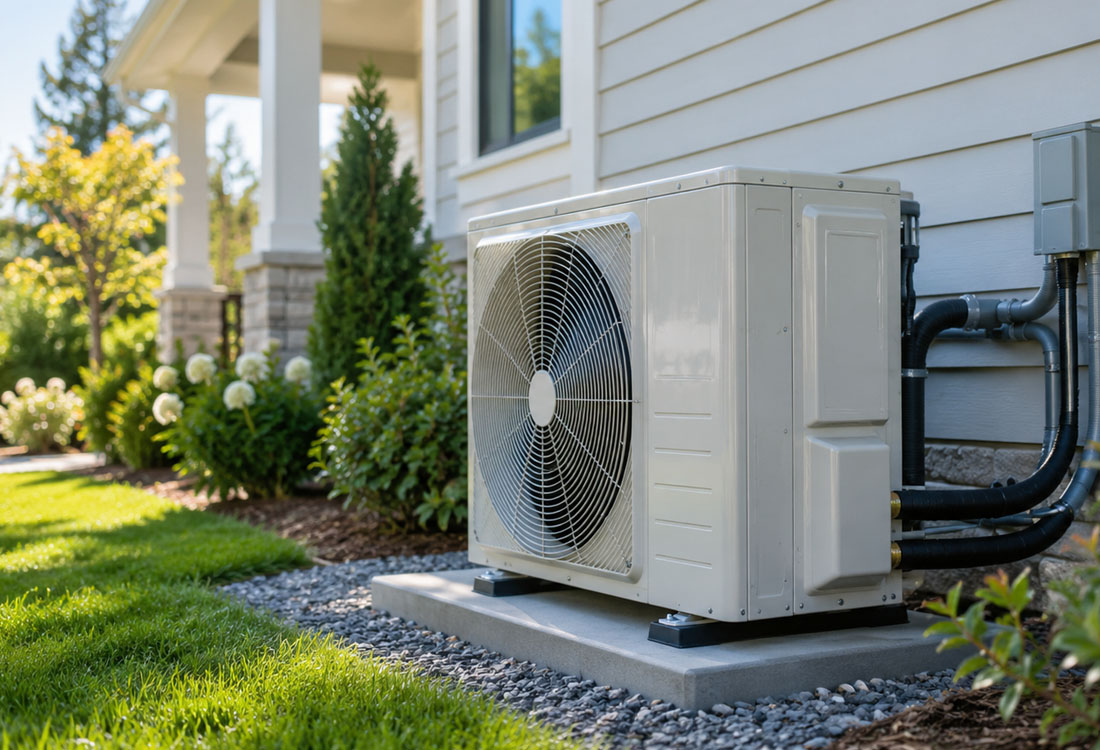
A heat pump operates by moving heat from one location to another. During cooling operation, the system transfers heat from inside the property to the outdoor environment, helping maintain a more comfortable indoor temperature. During heating operation, the process is reversed so that the system can collect available heat energy and transfer it indoors. This ability to provide both heating and cooling makes heat pump technology a versatile option for many types of properties.The system depends on multiple components operating together properly to complete this process. Refrigerant moves through the system, while indoor and outdoor units perform different functions during the heating and cooling cycle. Fans and airflow components help distribute conditioned air throughout the property, and the thermostat provides control over system operation. Because these systems involve several connected mechanical and electrical elements, professional evaluation and installation are important for supporting dependable performance.Understanding how the equipment works can also help property owners make informed decisions when selecting a new system. Different heat pump models and system configurations may offer different features, capacities, and performance characteristics. The best choice depends on factors such as the size of the property, existing equipment, insulation, airflow requirements, and the specific comfort expectations of the occupants.
The Importance of heat pump installation
Professional heat pump installation begins with understanding the needs of the property rather than simply selecting equipment and placing it into service. Proper system planning can include evaluating the size and layout of the building, existing heating and cooling equipment, airflow pathways, electrical requirements, and other factors that may influence performance. Selecting equipment that is not appropriate for the property can affect comfort and efficiency, which is why professional evaluation should be an important part of the process.The installation itself also requires careful attention to multiple technical details. Indoor and outdoor equipment must be positioned appropriately, electrical components need to be connected correctly, and refrigerant lines must be installed according to equipment requirements. Airflow should also be evaluated because the ability to move conditioned air effectively can influence the comfort experienced throughout the property. Professional technicians can review these factors and make adjustments based on the specific system and building requirements.A quality installation does more than allow the equipment to turn on and operate. It creates the foundation for future maintenance, repair, and long-term system performance. When the system is installed with proper attention to its components and operating requirements, property owners have a better starting point for maintaining dependable heating and cooling over time.
Choosing the Right Heat Pump System
Not every heat pump system is the same, and selecting the right equipment requires more than choosing a popular model. The size, layout, insulation, occupancy, and comfort needs of the property can all influence which system may be appropriate. Equipment capacity should be considered carefully because a system that is not properly matched to the property may experience performance challenges.Professional HVAC technicians can evaluate relevant factors and provide recommendations based on the actual needs of the building. This may involve reviewing existing equipment, assessing airflow, discussing comfort concerns, and considering whether the property would benefit from ducted or ductless equipment. The goal is to select a system that can provide appropriate performance without placing unnecessary demands on the equipment.Property owners should also consider long-term operating needs when evaluating different options. Equipment features, control systems, maintenance requirements, and expected usage can all be relevant. Taking the time to understand these considerations before installation can help property owners make more informed decisions.
Proper Sizing and System Design
System sizing is one of the most important parts of planning a new heating and cooling installation. It may be tempting to assume that larger equipment will automatically provide better performance, but oversized equipment can create operational concerns, just as undersized equipment may struggle to maintain the desired indoor conditions.A professional evaluation can help determine the capacity requirements of the property. Factors such as square footage, insulation levels, window placement, building design, occupancy, and existing airflow conditions can all affect heating and cooling needs. Proper system design should consider the property as a complete environment rather than relying only on the size of the building.Air distribution is another important consideration. Even an appropriately sized heat pump may not provide consistent comfort if airflow is restricted or uneven. Ductwork and other distribution components may need to be evaluated as part of the overall installation plan. Identifying these factors before installation can help support better long-term performance.
Improving Indoor Comfort Throughout the Year
One of the primary benefits of a heat pump system is its ability to provide heating and cooling from one integrated system. This can simplify comfort management and allow property owners to rely on the same equipment throughout changing seasons. However, the quality of comfort depends on more than the equipment itself.Airflow, thermostat settings, equipment condition, and building characteristics can all influence how different rooms feel. Some areas of a property may experience greater heating or cooling demands than others. Professional system planning can help identify these differences and determine how the new equipment should be configured to support more balanced comfort.Property owners should also pay attention to the way they use the system after installation. Understanding thermostat controls and recommended operating practices can help support consistent comfort. A professional technician can explain the basic operation of the equipment and answer questions about system settings and ongoing care.
Energy Efficiency Considerations
Energy efficiency is an important consideration when investing in new heating and cooling equipment. Heat pumps are designed to transfer heat, which can make them an efficient option for providing indoor comfort under appropriate conditions. However, actual performance can depend on system selection, installation quality, building conditions, and regular equipment care.A professionally designed system can help ensure that equipment capacity and installation requirements are appropriate for the property. Proper airflow is also important because restricted air movement may affect system operation. Property owners can support efficient performance by maintaining clean filters, keeping airflow pathways accessible, and scheduling professional service as recommended.Energy use can also be influenced by building conditions. Insulation, windows, doors, ductwork, and air leakage can all affect the workload placed on heating and cooling equipment. Considering these factors as part of a complete approach to indoor comfort can help property owners better understand their overall energy needs.
The Role of Professional Installation
Installing heating and cooling equipment involves technical knowledge, specialized tools, and an understanding of system requirements. Electrical components, refrigerant systems, airflow, drainage, and equipment controls must all be handled appropriately. Attempting complex installation work without the necessary training can create safety concerns and may affect equipment performance.
Professional heat pump installation allows trained technicians to manage the technical requirements involved in placing the system into service. Technicians can inspect the property, prepare the installation area, connect the necessary components, and evaluate system operation after installation is complete. This process helps confirm that the equipment is functioning as intended before regular use begins.Professional service can also provide valuable guidance for the property owner. Technicians can explain how the system operates, discuss recommended maintenance needs, and identify warning signs that may indicate future service is required. This information can help property owners feel more confident about operating and caring for their new equipment.
Maintaining a Heat Pump After Installation
A new heat pump should receive regular attention to support long-term performance. Like other HVAC equipment, heat pumps contain components that experience normal use and may require periodic inspection. Filters can collect airborne particles, outdoor equipment can be affected by debris, and mechanical or electrical components may eventually experience normal wear.Property owners can support routine system care by checking filters, keeping indoor vents accessible, and maintaining reasonable clearance around outdoor equipment. Any unusual changes in system performance should also be addressed promptly. Reduced airflow, unusual sounds, inconsistent temperatures, or unexpected operating behavior may indicate that professional service is needed.Routine professional inspections can provide additional information about equipment condition. A technician can evaluate important components and identify maintenance needs based on the system’s actual condition. This proactive approach can help property owners address concerns before they become more disruptive.
Common Signs That a System Needs Attention
Even a recently installed system may eventually require professional service. Property owners should pay attention to noticeable changes in normal operation. If the equipment begins making unusual sounds, produces inconsistent temperatures, experiences reduced airflow, or operates more frequently than expected, a professional evaluation may be appropriate.Thermostat concerns can also affect comfort. If the system does not respond as expected to temperature adjustments, the issue may involve the controls, equipment, or another part of the HVAC system. Professional technicians can evaluate the situation and determine the appropriate next steps.It is generally better to address noticeable changes early rather than waiting for a complete equipment failure. Early evaluation can provide more information about the cause of the concern and may help prevent additional strain on the system.
Planning for Long-Term System Performance
A heat pump installation is a long-term investment, so property owners should consider future maintenance and equipment care from the beginning. Keeping records of service visits, repairs, and system inspections can provide useful information throughout the life of the equipment.Regular professional service can help monitor the condition of important components and identify changes in system performance. Property owners should also maintain communication with qualified HVAC professionals when questions or concerns arise. Understanding how the system operates and recognizing unusual changes can make it easier to respond appropriately.Long-term performance depends on a combination of appropriate equipment selection, quality installation, responsible operation, and consistent professional care. No system can operate forever without experiencing normal wear, but a thoughtful approach to equipment management can help support dependable performance over time.
When to Consider Replacing Existing Equipment
Property owners may consider a new heat pump when their existing heating or cooling equipment is becoming unreliable, requires frequent repairs, or no longer meets their comfort needs. Replacement planning can also be appropriate when equipment has reached an advanced stage of its service life.Before making a replacement decision, a professional evaluation can help determine the current condition of the existing system and identify relevant options. In some cases, repair may be appropriate, while other situations may justify planning for new equipment. The decision should be based on equipment condition, repair needs, comfort requirements, and long-term property goals.A new system provides an opportunity to evaluate the entire heating and cooling setup. Airflow, controls, ductwork, and other factors can be reviewed during the planning process to help create a more complete solution for the property.
The Value of a Complete HVAC Approach
Heat pump systems perform best when they are considered part of the complete indoor comfort system. The equipment itself is important, but other factors can influence the results experienced by occupants. Ductwork, airflow, thermostat controls, insulation, maintenance, and building conditions should all be considered when evaluating heating and cooling performance.Professional heat pump installation can provide the foundation for a complete approach to indoor comfort. By evaluating the property before installation and addressing relevant technical requirements during the process, HVAC professionals can help create a system that is prepared for reliable operation.Property owners can continue supporting performance after installation through regular equipment care and professional service. Monitoring changes in operation and addressing concerns promptly can help protect the system and maintain a more comfortable indoor environment.
Conclusion
A heat pump can provide an effective solution for year-round heating and cooling when the equipment is selected and installed according to the needs of the property. Because system performance depends on multiple factors, including equipment capacity, airflow, controls, installation quality, and ongoing maintenance, professional planning is an important part of the process.Choosing the right system begins with understanding the building and its comfort requirements. Professional evaluation can help determine which equipment and installation approach may be appropriate, while proper installation creates a strong foundation for dependable performance. After the system is placed into service, regular care and professional inspections can help support efficient operation and identify concerns as they develop.Investing in professional HVAC service gives property owners an opportunity to make informed decisions about their heating and cooling equipment. With appropriate planning, installation, and ongoing care, a heat pump system can support consistent indoor comfort and dependable performance for years to come.