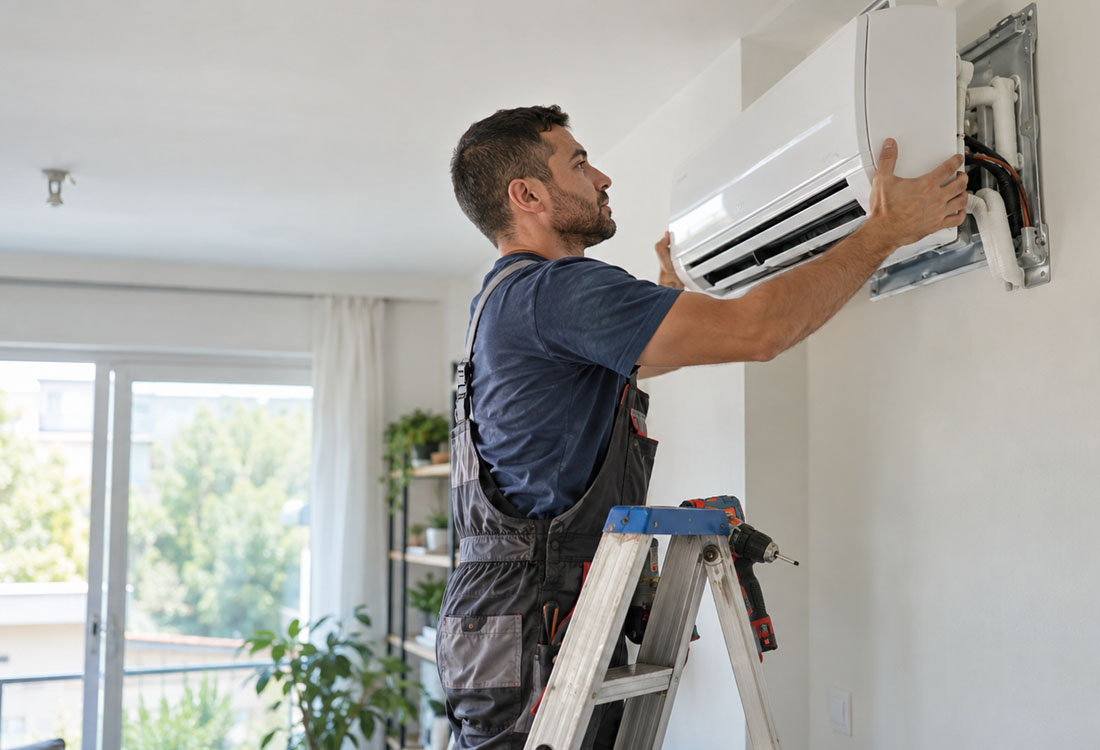
A dependable air conditioning system can make a major difference in indoor comfort when temperatures rise and cooling equipment needs to operate for long periods. However, purchasing a high-quality air conditioner is only one part of creating an effective cooling solution. The equipment must be correctly sized, properly installed, carefully configured, and thoroughly tested to deliver the performance it was designed to provide. Professional AC installation involves evaluating the property’s cooling requirements, selecting appropriate equipment, preparing the installation area, connecting essential components, checking system operation, and providing guidance for ongoing maintenance. When each stage is completed correctly, the result can be a more comfortable, efficient, and dependable indoor environment.Air conditioning systems consist of multiple components that work together to remove heat from indoor air and distribute cooled air throughout the property. Depending on the system, these components may include an outdoor condenser, indoor evaporator coil, blower motor, compressor, refrigerant lines, thermostat, electrical controls, drainage components, filters, and ductwork. A problem with any one of these parts can affect overall performance. Professional installation takes the complete system into account instead of focusing only on the main air conditioning unit.
Why Proper Air Conditioning Installation Matters
The quality of installation can have a lasting effect on the performance of an air conditioning system. Incorrect equipment sizing, poor electrical connections, restricted airflow, improper drainage, or configuration problems can cause an otherwise capable system to perform below expectations. Some installation problems may become noticeable immediately, while others can gradually contribute to increased energy consumption and premature component wear.Professional installation helps ensure that the equipment is properly matched to the property and connected according to manufacturer requirements. An experienced technician can inspect the existing infrastructure and identify conditions that may affect the new system. This can include checking ductwork, electrical service, thermostat compatibility, airflow, drainage, and the placement of indoor and outdoor equipment.Proper installation also creates a better foundation for future maintenance. When components are installed correctly and service access is considered, technicians can more easily inspect, clean, troubleshoot, and maintain the system throughout its useful life.
Evaluating Cooling Requirements Before Installation
Every property has different cooling requirements, so an air conditioner should not be selected based solely on floor area or the capacity of an existing system. Building size, insulation, windows, ceiling height, layout, occupancy, sunlight exposure, and ductwork can all influence cooling demand.A professional evaluation can help determine the appropriate capacity for the property. This is important because an oversized air conditioner may cool the space quickly but cycle on and off too frequently. Frequent cycling can affect comfort, humidity control, efficiency, and equipment longevity. An undersized system may have the opposite problem, running for extended periods while struggling to maintain the desired temperature.Evaluating the property before installation also provides an opportunity to identify existing comfort problems. If some rooms have consistently been warmer than others, the cause may involve ductwork, airflow, insulation, or thermostat placement rather than simply insufficient air conditioner capacity.
Selecting the Right Air Conditioning Equipment
There are several types of air conditioning systems available, and the most suitable choice depends on the property’s structure and cooling requirements. Central air conditioning can provide cooling throughout a property with appropriate ductwork, while ductless systems can be useful in spaces where traditional ducts are unavailable or impractical.When comparing equipment, property owners should consider capacity, efficiency, operating costs, maintenance requirements, controls, installation requirements, and compatibility with existing infrastructure. Choosing equipment only because it has a low initial cost may not provide the best long-term value.Energy efficiency is another important consideration, but efficiency should be evaluated together with proper sizing and installation. A highly efficient unit can still perform poorly if it is incorrectly sized or installed in a system with serious airflow or ductwork problems. A balanced approach helps ensure that the selected equipment is appropriate for both immediate comfort and long-term operation.
Preparing for the Installation Process
Proper preparation can make an installation safer and more efficient. The areas surrounding indoor and outdoor equipment should provide enough room for technicians to work, remove old components when necessary, and install the new system properly. Service access should also be considered because technicians will need sufficient space for future maintenance.Indoor equipment should be positioned with attention to airflow, drainage, accessibility, and connections to ductwork. Outdoor equipment needs adequate clearance to support proper airflow and allow technicians to perform inspections and service.Before installation begins, technicians may also inspect existing electrical connections, refrigerant lines, ductwork, drainage, and thermostat wiring. Identifying problems before installation can reduce delays and provide an opportunity to address related issues as part of the project.
The Importance of Proper AC Sizing
Correct sizing is one of the most important factors in a successful air conditioning installation. A system that is too large may cool the property rapidly but fail to operate through appropriate cycles. This can create temperature fluctuations, reduce humidity control, and place unnecessary stress on components.An undersized system may operate continuously during periods of high demand and still fail to provide sufficient cooling. Extended operation can increase energy use and contribute to equipment wear.Professional sizing considers the building’s characteristics and actual cooling load. This approach helps ensure that the new system can provide adequate cooling without being unnecessarily oversized. Proper sizing can also contribute to better temperature consistency and more comfortable indoor conditions.
Ductwork and Air Distribution
For central air conditioning systems, ductwork is a critical part of overall performance. The air conditioner may function correctly, but damaged or poorly sealed ducts can prevent cooled air from reaching occupied rooms efficiently. Leaks, disconnected joints, inadequate insulation, and airflow restrictions can all affect comfort and energy use.During installation, existing ductwork should be evaluated to determine whether it is suitable for the new equipment. Repairs or improvements may be recommended if significant problems are found. Addressing ductwork concerns can help the new air conditioner distribute conditioned air more effectively.Return airflow should also be considered. The system needs adequate air returning to the indoor equipment for proper circulation. Blocked return vents, dirty filters, and restrictions can reduce airflow and cause the equipment to operate under unnecessary strain.
Electrical Connections and Controls
Air conditioning systems rely on electrical components such as motors, capacitors, contactors, circuit boards, sensors, wiring, and control systems. Proper electrical connections are essential for safe and reliable operation.A professional technician can evaluate the electrical requirements of the new equipment and determine whether the property’s existing service is appropriate. Wiring, circuit protection, disconnects, and control connections should be completed according to applicable requirements and manufacturer specifications.The thermostat is another important component. It communicates temperature demands to the air conditioning system and helps regulate operating cycles. During installation, the thermostat should be checked for compatibility and configured correctly so that it can communicate effectively with the new equipment.
Refrigerant System Considerations
Refrigerant is essential to the cooling process in traditional air conditioning systems. The refrigerant circuit includes the compressor, condenser, evaporator, and connecting lines that allow heat to be transferred out of the indoor environment.During installation, refrigerant lines and connections must be handled carefully. Improper connections or installation practices can lead to leaks, reduced cooling performance, or additional system problems. Refrigerant-related work requires specialized equipment and knowledge and should be performed by qualified professionals.A professional technician can verify that the system uses the appropriate refrigerant and that the installation follows manufacturer requirements. Proper refrigerant management helps support efficient cooling and dependable operation.
Condensation and Drainage
Air conditioning systems naturally produce condensation as they remove moisture from indoor air. This water must be collected and directed away from the equipment and surrounding building materials. Poor drainage can result in water accumulation, leaks, property damage, or unpleasant odors.During installation, the condensate drain system should be evaluated carefully. Drain lines should be positioned appropriately and secured to prevent problems. Where applicable, additional drainage protection can help reduce the risk of water damage.Addressing drainage during installation is particularly important for indoor equipment. A properly configured condensate system can help protect floors, walls, ceilings, and nearby components from moisture-related problems.
Improving Energy Efficiency
A new air conditioner can provide an opportunity to improve cooling efficiency, particularly when replacing old equipment. Modern systems may incorporate improved technology designed to provide effective cooling while managing electricity consumption.However, equipment efficiency is influenced by the complete cooling system. Dirty components, restricted airflow, duct leaks, improper sizing, poor insulation, and incorrect thermostat settings can all reduce performance. Professional installation can help identify and address these factors.Property owners can also support efficiency by maintaining reasonable thermostat settings, replacing filters according to equipment requirements, keeping outdoor components clear of excessive debris, and scheduling professional maintenance.
Thermostat Selection and Temperature Control
A properly functioning thermostat helps control when the air conditioner operates and how indoor temperatures are maintained. During installation, the existing thermostat should be evaluated for compatibility with the new equipment.Modern control systems may provide programmable scheduling and additional temperature management features. These capabilities can allow property owners to adjust cooling according to occupancy patterns and daily routines.The best thermostat depends on the air conditioning system and the preferences of the occupants. A professional can explain the available options and ensure that the selected control system is correctly configured.
Indoor Air Quality Considerations
Air conditioning systems circulate indoor air, so filtration and airflow can influence the indoor environment. Filters help capture airborne particles and should be checked and replaced according to manufacturer recommendations.During installation, the filter location should be considered carefully. Easy access can make routine maintenance more convenient and may encourage property owners to replace filters on schedule. A neglected filter can become restricted and reduce airflow.If a property has persistent dust, odors, or other indoor air concerns, a professional evaluation may help identify whether the cause involves filtration, ductwork, moisture, ventilation, or another building condition.
Testing the New Air Conditioning System
A professional installation should always include comprehensive testing before the system is placed into regular use. Turning the unit on is not enough to confirm that every component is operating properly.Technicians can check airflow, thermostat communication, temperature performance, electrical operation, drainage, system controls, and other operating conditions. Refrigerant-related performance may also be evaluated as appropriate for the equipment.Testing provides an opportunity to identify installation problems before they become everyday concerns. It also establishes a baseline for future maintenance, allowing technicians to compare later performance with the system’s original operating condition.
Benefits of Professional Installation
Professional installation can provide several important long-term benefits. Correct equipment sizing can improve comfort, while proper connections and configuration can support reliable operation. Attention to airflow, ductwork, drainage, electrical components, and controls can further improve system performance.Proper installation can also reduce avoidable equipment stress. When a system operates under appropriate conditions, components may not have to compensate for restricted airflow, improper sizing, or other installation-related problems.Another benefit is easier future service. Properly installed equipment with adequate access can be inspected and maintained more efficiently. This can make routine service more effective and help technicians identify developing problems.
Replacing an Existing Air Conditioner
Many installation projects involve replacing an aging or unreliable cooling system. An older air conditioner may experience frequent breakdowns, declining efficiency, inconsistent cooling, or increasingly expensive repairs. In these situations, replacement may offer better long-term value than continuing to repair the existing system.Before replacement, the existing equipment should be evaluated professionally. Some problems may be repairable, while others may indicate that the system is approaching the end of its practical service life.Replacement also provides an opportunity to improve related components. Ductwork, electrical connections, thermostat controls, airflow, drainage, and other parts of the cooling system can be evaluated during the project.
Planning for Long-Term Cooling Performance
A new air conditioner should be viewed as a long-term investment. Property owners should consider future cooling requirements, maintenance needs, expected operating costs, efficiency, and possible changes to the property before selecting equipment.Planning ahead can also reduce the pressure associated with emergency replacement. If an aging system is becoming unreliable, discussing replacement options before complete failure allows more time to compare equipment and plan the installation.Maintenance and service records can provide useful information for future planning. They can reveal recurring problems, major repairs, component replacements, and changes in system performance. This information can help property owners and HVAC professionals make more informed decisions.
Maintaining the System After Installation
Even a new air conditioner requires regular maintenance to remain reliable. Filters should be checked and replaced according to manufacturer recommendations, supply and return vents should remain unobstructed, and the outdoor equipment should be kept reasonably clear of excessive debris.Professional maintenance can include inspecting electrical connections, checking airflow, evaluating system controls, examining coils, reviewing drainage, and assessing overall performance. Regular service can help identify developing concerns before they become major failures.Maintenance also protects the investment made in the new equipment. A system that is neglected can experience avoidable airflow restrictions, dirt buildup, reduced efficiency, and component wear. Consistent care can help preserve comfort and reliability throughout the system’s useful service life.
Signs That the New System Needs Attention
A properly installed air conditioner should provide consistent cooling, so unusual changes in operation should be addressed promptly. Weak airflow, inconsistent temperatures, frequent cycling, unusual noises, unexpected odors, or water around indoor equipment can all indicate that professional evaluation may be necessary.Some issues may be minor adjustments, while others can indicate mechanical, electrical, airflow, drainage, or control problems. Professional diagnosis can identify the actual cause and determine the appropriate solution.Safety concerns should receive immediate attention. Burning odors, smoke, sparks, damaged wiring, or other serious electrical symptoms should not be ignored. The system should not be operated when doing so may create a safety hazard.
Choosing a Qualified HVAC Professional
The professional responsible for installation can have a major effect on the performance of the new air conditioner. Property owners should look for an experienced HVAC professional who understands the equipment being installed and follows appropriate manufacturer and safety requirements.A qualified professional should evaluate the property before recommending equipment and explain why a particular system is suitable. The installer should also discuss installation requirements, expected maintenance, operating considerations, and any improvements that may be necessary for existing infrastructure.Clear communication helps property owners understand the project and make informed decisions. A quality installation should focus on creating a complete and reliable cooling solution rather than simply replacing or installing equipment as quickly as possible.
Preparing for Future Maintenance
Proper installation establishes the foundation for future service, but every air conditioning system will experience normal wear over time. Keeping records of installation details, maintenance visits, repairs, and replaced components can make future troubleshooting easier.Regular professional inspections can identify changes in system performance before they develop into major problems. Technicians can monitor airflow, electrical components, controls, drainage, and other parts as the equipment ages.A proactive approach to maintenance can help property owners protect their investment and reduce the possibility of unexpected breakdowns. Timely service is generally easier and more manageable than waiting until a small issue becomes a major system failure.
Conclusion
A successful air conditioning project involves much more than selecting a new unit. Proper evaluation, accurate sizing, appropriate equipment selection, professional installation, effective airflow, reliable electrical connections, suitable controls, correct drainage, refrigerant considerations, complete testing, and ongoing maintenance all contribute to long-term cooling performance.Professional ac installation can help property owners create a comfortable, efficient, and dependable cooling system that is properly matched to the property. Quality installation can reduce avoidable performance problems, support energy efficiency, improve temperature consistency, and provide a strong foundation for future maintenance.By planning carefully and choosing qualified HVAC professionals, property owners can make informed decisions about their cooling equipment. A properly installed and regularly maintained air conditioning system can provide reliable comfort and efficient performance throughout its useful service life.