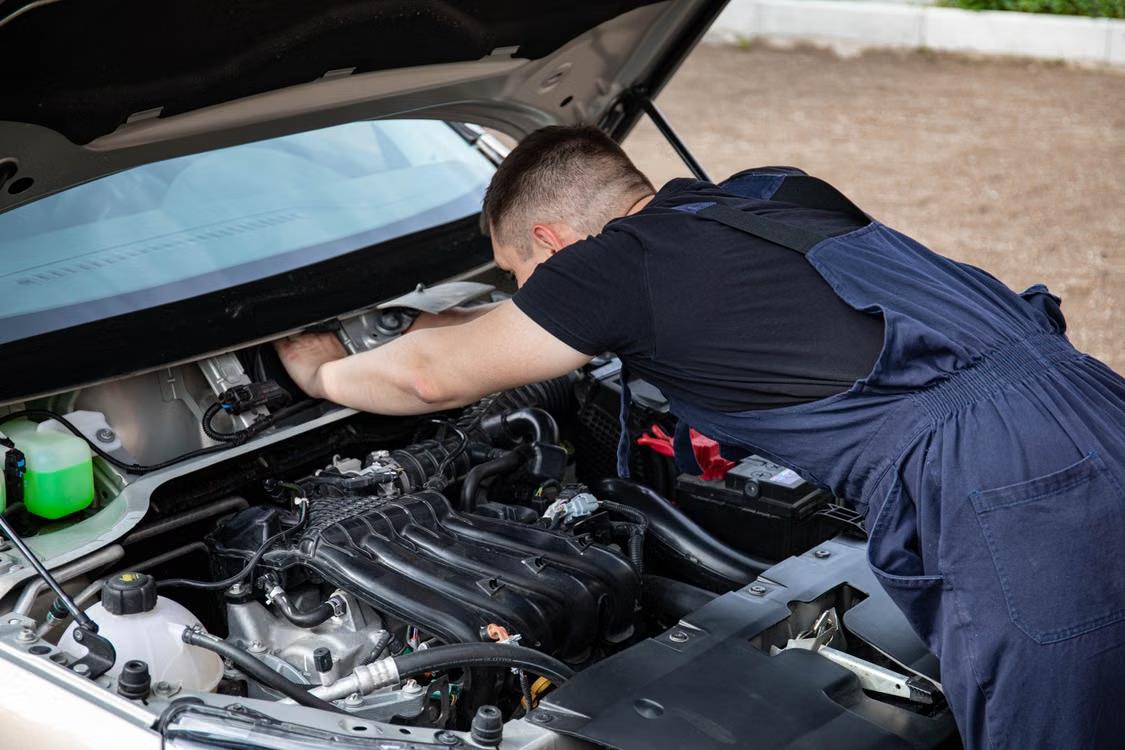
The powertrain control module oversees key functions related to both the engine and transmission. It collects data from dozens of sensors, makes split-second decisions about fuel delivery, ignition timing, and gear shifts, and keeps the entire powertrain running within spec. When this module fails, the effects can range from rough idling and stalling to a vehicle that won’t start. The question most drivers face is straightforward: should you repair it or replace it?
The answer depends on what caused the failure, the module’s condition, and what makes financial sense for your situation.
Recognizing the Signs of PCM Failure
Before deciding on a course of action, confirm the PCM is the actual problem. Several symptoms point to a failing module:
- Check engine light or multiple warning lights activating at the same time. A PCM that can’t process sensor data correctly will trigger stored fault codes.
- Performance issues may appear as engine misfires, unstable idling, or delayed acceleration. These occur when the PCM sends incorrect commands to fuel injectors or ignition coils.
- Transmission shifting problems. Since the PCM manages transmission behavior in many vehicles, erratic or delayed shifts can indicate a module issue.
- Vehicle failing to start. In severe cases, a dead PCM prevents the engine from receiving the signals it needs to fire up.
Because these symptoms overlap with sensor and wiring faults, a thorough diagnostic scan is necessary before pointing the finger at the PCM itself. If testing does confirm a failed module, sourcing replacement PCMs from Car Computer Exchange or a similar specialist ensures you get a unit matched to your vehicle’s exact specifications.
Understanding What Causes PCM Failure

PCMs are built to outlast most other electronic components in a vehicle. When they do fail, the root cause is often external, not internal. Common triggers include voltage spikes from a faulty charging system, short circuits in connected wiring, moisture intrusion from leaking seals or poor module placement, and long-term exposure to extreme heat.
Software corruption is another frequent culprit. In these cases, the hardware may be fine, but the programming may be buggy or outdated. Identifying the cause matters because it directly influences whether a repair or replacement is the right move.
Evaluating the Repair Option
If the PCM’s hardware is intact and the issue is software-related, reprogramming or reflashing the module is often sufficient. This process involves updating or reinstalling the manufacturer’s software to clear bugs, restore lost calibration data, or apply updated parameters.
Reprogramming typically costs between $80 and $150 at a qualified shop. It’s the most cost-effective route when the physical module is undamaged, and the vehicle’s electrical system hasn’t sustained further harm.
However, reprogramming has limits. It won’t fix a module with fried circuits, corroded connectors, or heat-damaged internal components. If the scan tool can’t even communicate with the PCM, a software fix is off the table.
Weighing the Replacement Route
When the PCM has sustained physical damage, replacement becomes the only viable path. A new aftermarket module can range from $50 to over $1,000 depending on the vehicle and the brand. Labor for professional installation and programming adds another $100 to $300 in most cases.
You’ll also need to choose between a new unit and a remanufactured one. Remanufactured PCMs are used modules that have been disassembled, tested, and rebuilt to meet original equipment standards. They cost less than new units and perform comparably, making them a practical choice for drivers on a budget.
Regardless of which option you choose, the replacement must match your vehicle’s exact year, make, and model. Installing a PCM designed for another platform can result in new faults or system problems.
Making the Right Call
A few factors can help you decide:
- If the diagnostic points to a software glitch and the module communicates normally, start with a reprogram. It’s low-cost and low-risk.
- If the module shows signs of physical damage, corrosion, or burn marks, replace it.
- If the vehicle is older and you’re managing repair costs carefully, a remanufactured PCM offers a balance between reliability and affordability.
Whatever direction you take, address the underlying cause first. Replacing a PCM without fixing a short circuit or a failing alternator puts the new module at the same risk.
A PCM failure doesn’t have to mean a major financial setback. With proper diagnosis and an informed decision, you can get your vehicle back on the road without overspending.