Your home’s exterior is the first thing people see, but it’s also your family’s first line of defense against the elements. Homeowners often find themselves caught in a tug-of-war between two competing priorities: making the house look stunning and ensuring it works efficiently. A home that looks like it belongs in a magazine isn’t worth much if the roof leaks or the siding rots after a single winter. Conversely, a house built like a fortress might be durable, but if it lacks visual warmth, it won’t feel like a home.
Understanding Your Needs and Lifestyle
Before browsing paint swatches or lighting fixtures, you need to conduct a lifestyle audit. The “dream home” looks different for a retired couple who love gardening than it does for a young family with active toddlers and a golden retriever. Design choices should facilitate your daily life, not complicate it.
Analyze Your Maintenance Tolerance
Be honest about how much time you want to spend maintaining your exterior. Natural wood siding creates a warm, rustic aesthetic that is hard to replicate, but it requires regular staining and sealing to prevent rot. If your weekends are reserved for relaxation rather than home improvement projects, you might be better suited for fiber-cement siding or high-quality vinyl. These materials have advanced significantly in recent years, mimicking the texture of wood without the demanding upkeep.
Climate Considerations
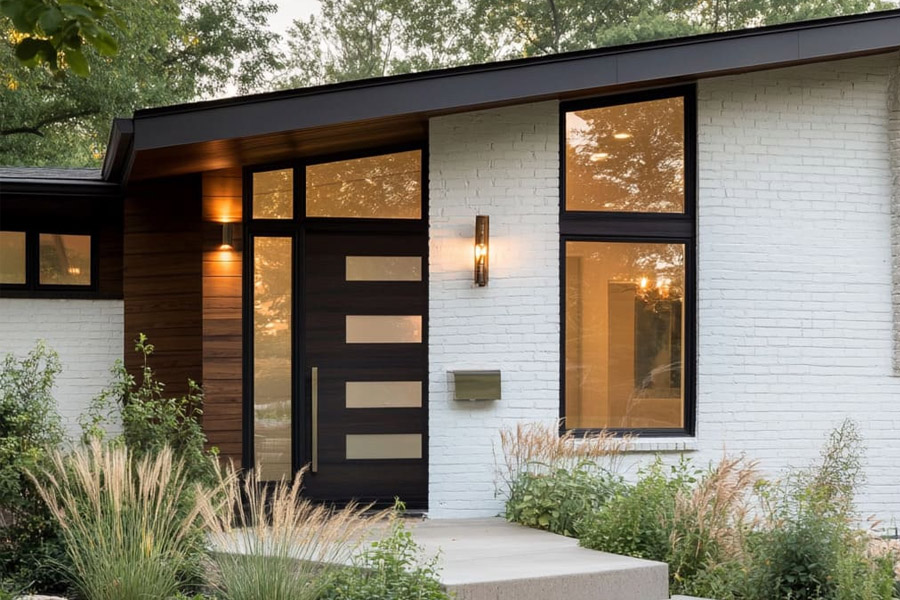
Your local environment dictates which features are functional and which are liabilities. Large, floor-to-ceiling windows offer a sleek, modern look and flood interiors with light. However, in a region with scorching summers, those same windows can turn your living room into a greenhouse, driving up cooling costs. In this case, function dictates that you install deep overhangs or exterior shades—features that add architectural interest while solving the heat problem.
Maximizing Curb Appeal with Smart Design Choices
Curb appeal is often associated with purely cosmetic updates, but smart design integrates visual appeal with structural logic. A cohesive look suggests that the home is well-cared for and solidly built.
Architectural Consistency
One of the most common mistakes in exterior design is fighting the home’s original architecture. Trying to force a mid-century modern aesthetic onto a Victorian farmhouse usually results in a disjointed, confusing appearance. Instead, identify the key characteristics of your home’s style and enhance them. If you have a Colonial home, emphasize symmetry and classic proportions. If you have a Craftsman bungalow, focus on tapered columns and exposed rafters. Lean into the structural reality of the building to guide your aesthetic choices.
The Power of Color and Texture
Color is the most accessible tool for transforming a façade. A popular and effective strategy is the “60-30-10” rule: 60% of the exterior is a dominant color (siding or brick), 30% is a secondary color (trim, garage doors), and 10% is an accent color (shutters, front door).
Texture is equally important but often overlooked. A flat, monochromatic exterior can look two-dimensional and cheap. Mixing materials—such as stone veneer on the lower half of the house with vertical siding above—adds depth and visual weight. This isn’t just an aesthetic choice; stone creates a durable water table that protects the base of your home from splash-back rain and snow accumulation.
Enhancing Functionality with Practical Features
When you prioritize functionality, you often find that it enhances the visual design naturally. High-quality materials and well-planned layouts look better because they perform better.
Walkways and Entry Flow
The path to your front door sets the tone for the entire visitor experience. A narrow, uneven path might look “quaint,” but it becomes a tripping hazard in low light or bad weather. Functional design calls for wide, well-lit walkways made of non-slip materials.
Consider the flow of traffic. If you frequently carry groceries from a detached garage, the path should be direct and covered if possible. Using pavers that match or complement the home’s foundation ties the landscape to the architecture, proving that a safety feature can also be a design asset.
Durable Roofing and Drainage
Your roof is arguably the most critical functional element of your exterior. It dominates the visual profile of the house while performing the heavy lifting of weather protection. Choosing the right material is essential. Asphalt shingles are cost-effective and come in many colors, but they may need replacement sooner than other options. Metal roofing offers longevity and a sleek, industrial look that suits modern farmhouses.
For those seeking a blend of classic elegance and extreme durability, a clay or concrete roofing tile is an excellent investment. These tiles can last over 50 years and provide superior insulation, keeping the home cooler in summer. While they are heavier and require a reinforced roof structure, the depth and shadow lines they create add a level of sophistication that flat shingles cannot match.
Similarly, gutters and downspouts are often treated as afterthoughts, but they are vital for protecting your foundation. Rather than hiding them, choose high-quality copper or galvalume gutters that develop a patina over time, turning a functional necessity into an architectural highlight.
Sustainable and Eco-Friendly Design Options
Sustainability is the ultimate meeting point of form and function. Eco-friendly design choices reduce your carbon footprint and utility bills while often adding a unique, natural beauty to the property.
Landscaping for Efficiency
Xeriscaping, or landscaping designed to reduce water use, is highly functional in drought-prone areas. It utilizes native plants, gravel, and mulch, which requires far less maintenance than a traditional lawn. Aesthetically, this anchors the home to its specific environment, making it look grounded and natural rather than artificial.
Strategically planting deciduous trees on the south and west sides of your home provides shade in the summer (function) and beautiful foliage in the fall (aesthetic). In the winter, the bare branches allow sunlight to warm the home, proving that nature can be your best design partner.
Exterior Lighting
Modern LED technology allows you to light your home’s exterior efficiently without racking up energy costs. The goal is to layer lighting for different purposes. Ambient lighting (like porch lights) welcomes guests, while security lighting (motion sensors) deters intruders. Accent lighting can then be used to highlight architectural features or trees.
Solar-powered path lights have improved drastically in aesthetic quality. No longer just cheap plastic stakes, they now come in glass and metal finishes that look elegant by day and provide essential safety illumination by night.
Conclusion
By carefully considering your lifestyle needs, respecting the local climate, and choosing materials that offer both longevity and style, you can create a home exterior that is as sensible as it is stunning. The result will be a property that not only captures the eye of every passerby but also serves as a comfortable, safe sanctuary for you and your family for years to come.