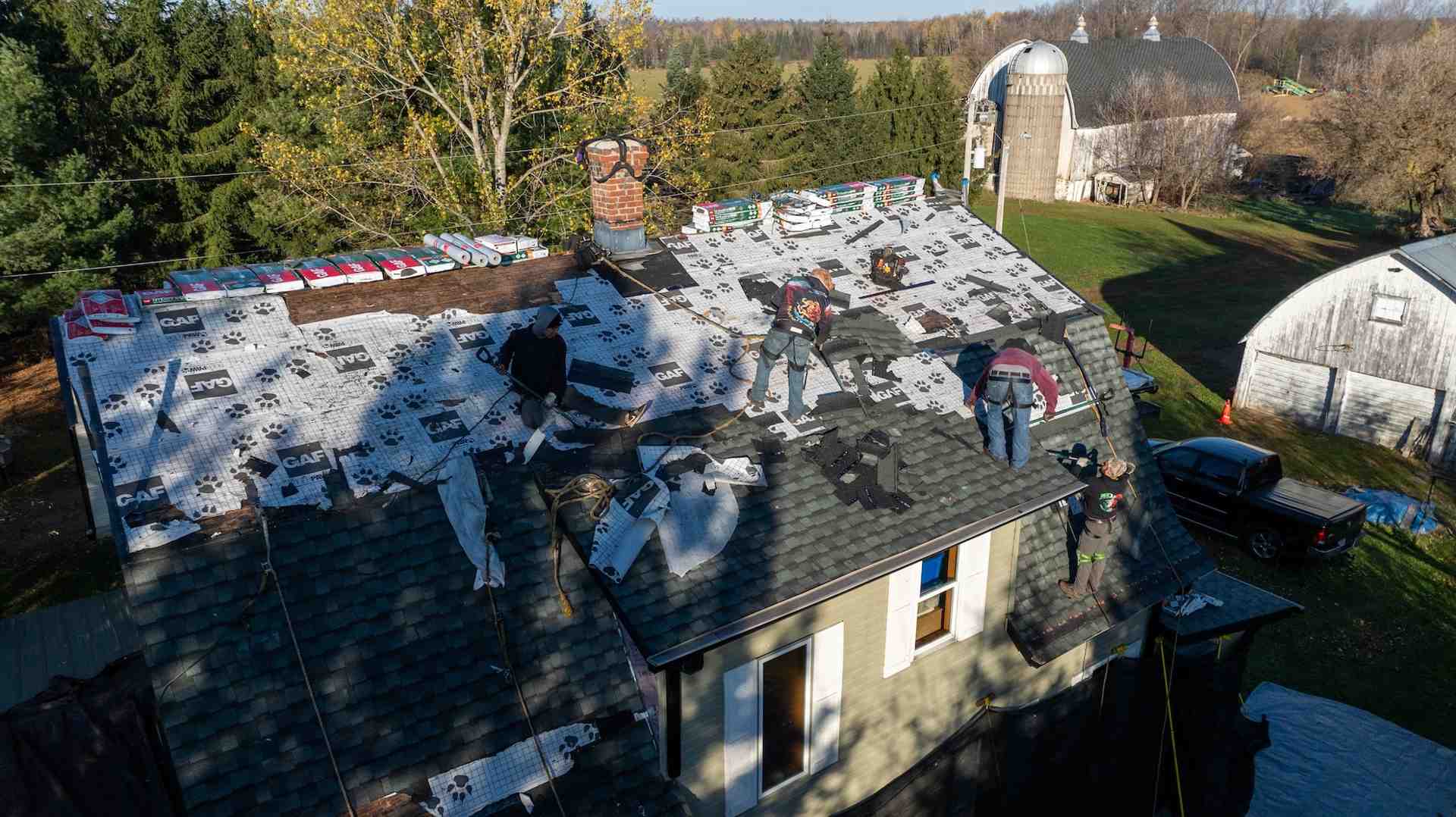
The Fundamentals of Roof and Gutter Maintenance
As homeowners, we often focus on the visible aspects of our properties, but some of the most critical elements work tirelessly behind the scenes: our roofs and gutters. These vital systems are your home’s primary defense against the elements, diverting thousands of gallons of rainwater away from your foundation and preventing costly damage. In fact, neglecting these essential components can lead to structural issues, leaks, and expensive emergency repairs that could have been easily avoided.
This comprehensive guide will equip you with the knowledge and practical steps needed for effective roof and gutter maintenance. We’ll explore seasonal schedules, identify common warning signs, provide safety tips for DIY tasks, and help you understand when to call in the professionals. Our aim is to help you protect your investment, extend the lifespan of your home, and ensure peace of mind for years to come.
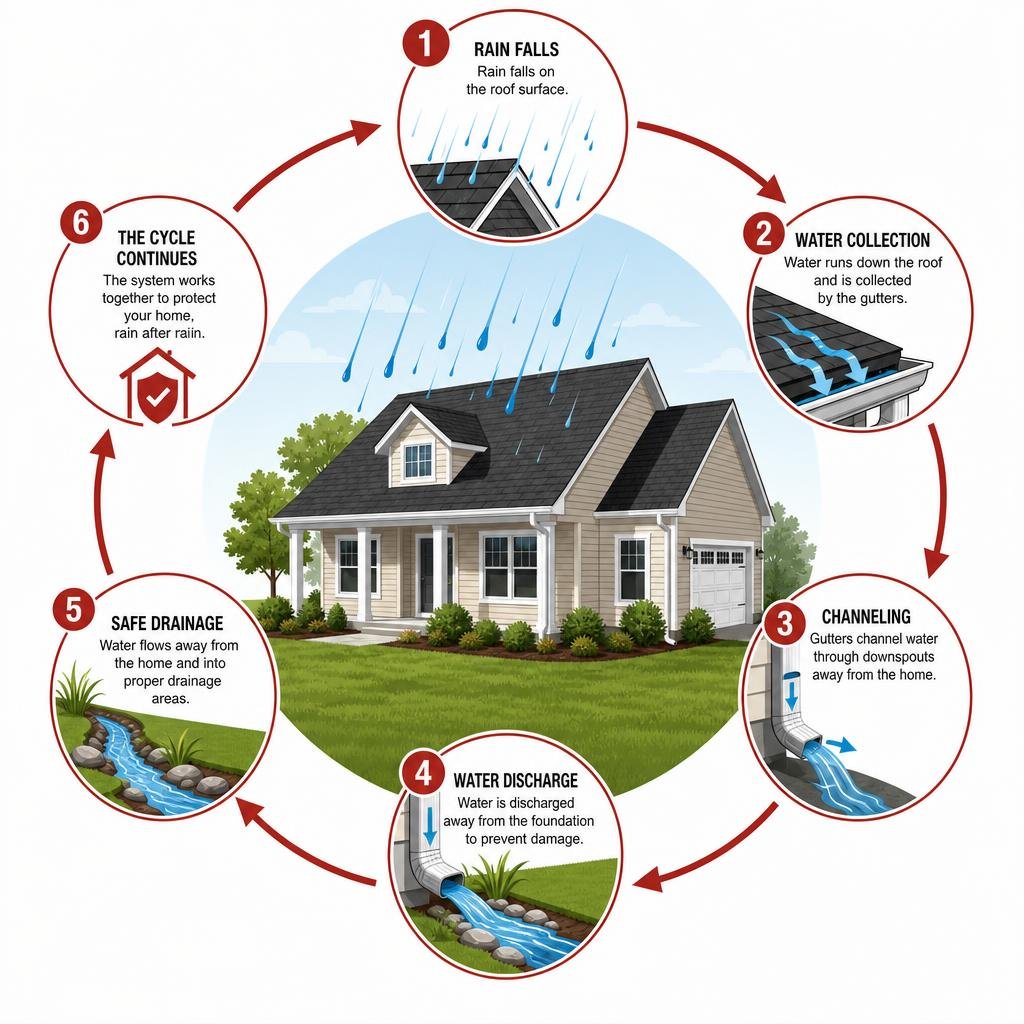
Our homes’ roofing systems and gutters form a crucial, interconnected barrier against the elements. The roof sheds water, and the gutters collect and channel it safely away from the foundation. When this system fails, the consequences can be severe. For instance, a single inch of rain on a 2,000-square-foot roof footprint produces well over a thousand gallons of runoff. Without proper management, this immense volume of water can lead to hydrostatic pressure against foundation walls, causing basement flooding and cracks.
Neglected gutters are a primary culprit in many home damage scenarios. When clogged, water overflows, backing up behind the drip edge and under the lowest shingles. This standing water can cause fascia rot, delaminate plywood or OSB roof decking, and lead to significant water infiltration into the attic and interior walls. Neglected roofs are, in fact, the number one cause of roof leakage. The protective shingle granules, which are essential for deflecting UV rays and weather, can wash away into clogged gutters, accelerating roof deterioration. Maintaining this exterior envelope is paramount to preserving our home’s structural integrity.
Seasonal Roof and Gutter Maintenance Schedule
Effective roof and gutter maintenance isn’t a one-time event; it’s a biannual cadence that adapts to seasonal changes. The two most critical periods for maintenance are late spring and late autumn.
Spring Cleaning (March–April): After winter’s harshness, spring is the ideal time to assess and clean. We look for any damage caused by snow, ice, or winter storms. This includes clearing out any remaining winter debris, checking for loose or damaged shingles, and preparing the system for spring rains and summer heat. It’s also when trees finish dropping seeds, pollen, and oak tassels, which can quickly accumulate and clog gutters.
Autumn Preparation (September–November): This is arguably the most crucial maintenance window. After the leaves have fallen, but before the first hard freeze, we must thoroughly clear gutters and downspouts. This prevents the accumulation of pine needles and leaves, which can lead to severe winter problems like ice dams. Ice dams form when melted snow refreezes at the eaves due to poor insulation or ventilation, backing water up under shingles and into the home. Proactive autumn maintenance can prevent approximately 78% of winter water damage.
For homes in heavily wooded areas, or those experiencing significant pollen and seed drop, a quarterly cleaning schedule might be necessary to ensure debris-free gutters. Additionally, post-storm inspections are always recommended after any major weather event to check for new damage or blockages.
The True Cost of Skipping Roof and Gutter Maintenance
The financial implications of neglecting roof and gutter maintenance are staggering. What might seem like a minor oversight can quickly escalate into thousands of dollars in emergency repairs.
Consider this: investing $400-$800 in autumn roof and gutter maintenance can prevent $5,000-$20,000 in winter emergency repairs. This represents an astonishing return on investment (ROI) of 625% to 2,500%.
Here’s a breakdown of the typical costs associated with neglected maintenance versus preventative care:
- Gutter Cleaning:A routine professional cleaning typically costs $119-$275, depending on home size and stories.
- Fascia and Soffit Rot Repair:Neglected, overflowing gutters are directly responsible for 68% of fascia rot cases. Repairing fascia and soffit can cost $1,500-$4,000 for a full run, or $500-$1,500 for partial sections.
- Roof Decking Delamination:Water backing up from clogged gutters can rot the roof decking. Replacing damaged sections can be part of a larger roof repair, potentially adding thousands to the cost of a new roof.
- Foundation Damage:Saturated soil from gutter overflow creates hydrostatic pressure, leading to foundation cracks and basement leaks. Foundation repair can range from $2,000-$8,000 or more.
- Mold Remediation:Water intrusion from roof leaks or overflowing gutters can lead to mold growth in attics and interior walls, costing $1,500-$5,000 to remediate.
- Interior Water Damage:Ceiling collapses, ruined drywall, and damaged insulation from leaks can easily run $1,500-$5,000.
- Ice Dam Damage:In colder climates, ice dams can cause significant roof and interior damage, often requiring costly repairs.
These figures illustrate a clear financial incentive: proactive, routine maintenance is far more cost-effective than reactive emergency repairs.
Comprehensive Inspection Steps for Shingles, Flashing, and Troughs
A thorough inspection is the cornerstone of effective roof and gutter maintenance. While professionals offer detailed assessments, homeowners can perform valuable ground inspections to catch early warning signs.
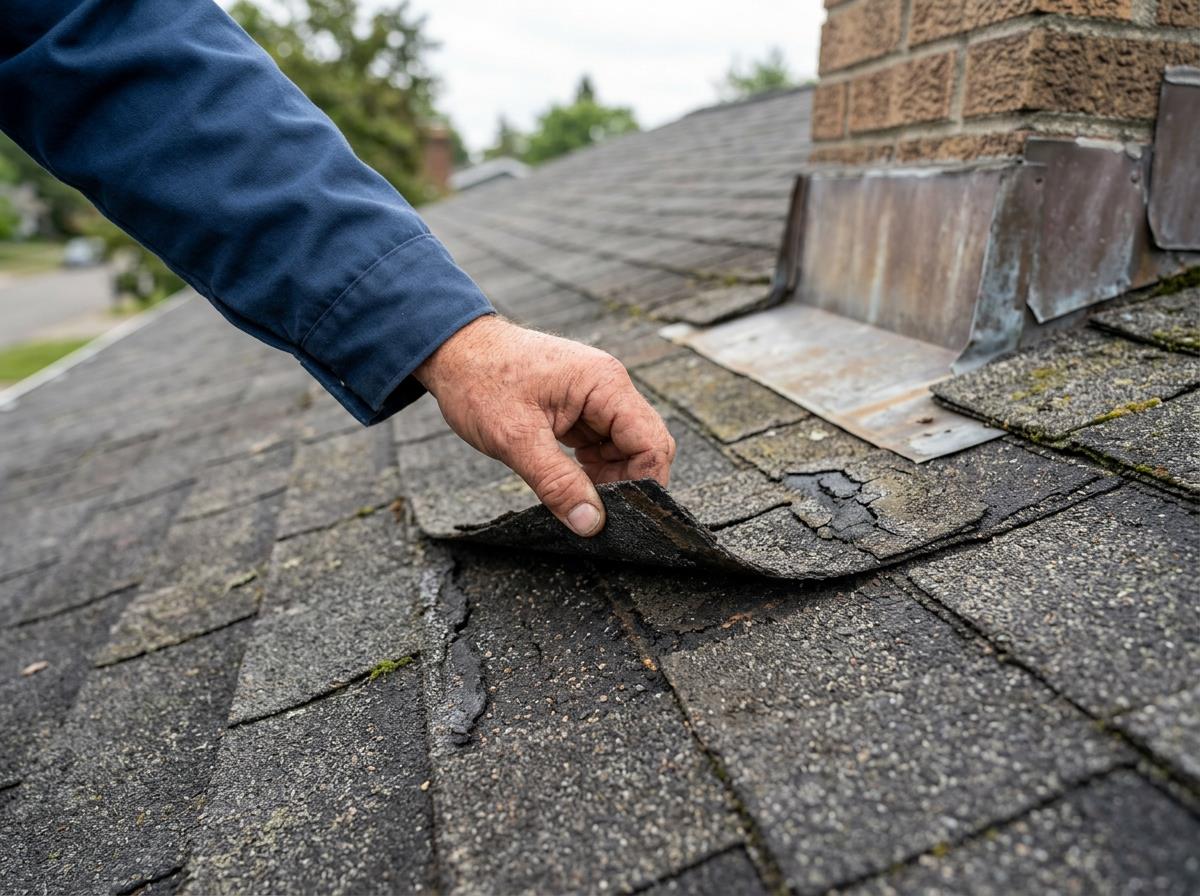
Start with a visual assessment from the ground using binoculars. Look for curling, buckling, or missing shingles. Check for damaged flashing around chimneys, vents, and skylights. Observe gutter alignment—do they appear straight, or are there sagging sections? After a rain, check for standing water in gutters, which indicates improper pitch. For multi-story homes or steep roofs, consider professional drone surveys or hire a licensed contractor for a comprehensive roof inspection.
Inside the home, check the attic for signs of moisture, water stains, or daylight penetrating through the roof. Ensure insulation is dry and evenly distributed, as damp insulation can indicate leaks or poor ventilation.
Evaluating Shingle Health and Roof Valleys
Asphalt shingles, common on many homes, have a protective layer of granules. Over time, these granules wear off, reducing the shingle’s effectiveness. Excessive granule loss in gutters is a warning sign of an aging roof. Look for curling edges, shingle blistering, or cracked shingles.
Roof valleys, where two roof planes meet, are particularly vulnerable. Debris accumulates here, leading to water pooling and accelerated organic growth like moss and algae. This trapped moisture can cause rapid wood rot on the roof deck. Gently remove debris from valleys and, if moss or algae are present, use a soft brushing technique or a dedicated roof-cleaning solution. Avoid pressure washing asphalt shingles, as it can strip away protective granules and drastically shorten their lifespan.
Checking Flashing, Pitch, and Structural Hangers
Flashing—metal strips around chimneys, skylights, vent boots, and roof transitions—is crucial for preventing leaks. Over time, sealant can crack or shrink, allowing water intrusion. Inspect flashing for rust, corrosion, or gaps.
Gutter pitch is vital for proper drainage. Gutters should have a slight slope, typically about a quarter-inch of fall for every 10 feet of run, towards the downspouts. If water stands in your gutters for extended periods after rain, the pitch may be incorrect. Check that gutters are securely attached to the fascia board. Loose spikes, which can pull out over time due to weight and freeze-thaw cycles, should be replaced with more durable screw-style brackets. For homes requiring new or upgraded systems, many providers specialize in high-quality residential/commercial installations that ensure optimal pitch and secure attachment for long-term performance.
Practical Methods for Safe Cleaning and Drainage Management
DIY gutter cleaning can save money, but safety must be the top priority. Falls account for 40% of serious home maintenance injuries in Australia, highlighting the inherent risks of working at heights.
Essential DIY Cleaning Tools and Ladder Safety
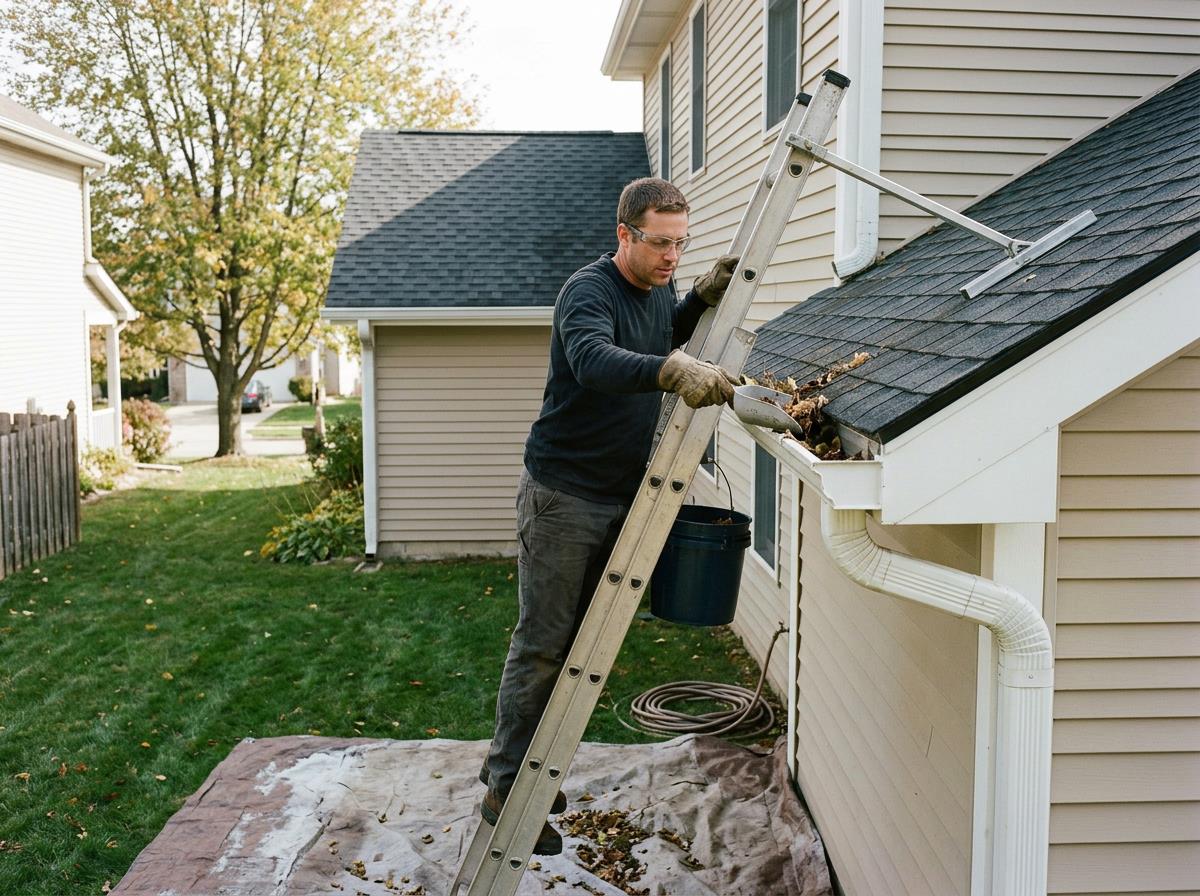
When cleaning gutters yourself, always use a sturdy extension ladder placed on firm, level ground. Equip your ladder with standoff brackets or a stabilizer to prevent it from resting directly on the gutters, which can cause damage, and to provide a safer working distance from the house. Always maintain three points of contact (two hands and one foot, or one hand and two feet) while on the ladder. Never overreach; reposition the ladder frequently.
Wear long sleeves, work gloves, and safety goggles to protect against sharp debris, chemicals, and falling matter. A plastic scoop is ideal for clearing debris without damaging the gutter lining. For reaching higher sections or avoiding ladder work, telescopic wands, leaf blower attachments, or wet/dry vacuum extensions can be used from the ground. If your roof has a steep pitch or if you have a multi-story home, the fall hazards are significantly increased, and it’s best to hire a professional. Always work with a spotter if possible. Lay a ground tarp below your work area to catch debris and protect landscaping.
Clearing Clogs and Optimizing Downspout Discharge
Once you’ve cleared the main gutter troughs, focus on the downspouts. These are prone to clogging, especially at the elbow joints.
Flush the downspouts with a garden hose, starting from the top. If water doesn’t flow freely, you likely have a clog. A plumber’s snake can be fed down the downspout to break up stubborn blockages. Installing wire strainers at the top of downspouts can prevent large debris from entering and causing clogs.
Finally, ensure your downspouts discharge water effectively away from your home’s foundation. Downspout extensions or splash blocks should direct water at least 4 to 6 feet away from the foundation walls. This prevents soil saturation, which can lead to foundation issues and basement leaks, contributing to overall effective stormwater management around your property.
Evaluating Gutter Guards and Upgraded Protection Systems
Gutter guards are often marketed as a “set it and forget it” solution, but their effectiveness varies greatly. While they can significantly reduce cleaning frequency, they don’t eliminate the need for periodic upkeep. The primary goal of a gutter guard is to allow water to enter the trough while shedding leaves and larger debris. Factors like surface tension, leaf filtration, and debris shedding capabilities dictate their performance.
Micro-Mesh vs. Screen and Reverse-Curve Guards
There are several types of gutter guards, each with pros and cons:
- Micro-Mesh Guards:Often considered the “gold standard,” these typically feature fine stainless steel mesh that allows only water to pass through, effectively blocking pine needles, shingle granules, and even smaller debris. They significantly reduce maintenance but still require occasional surface brushing to clear fine particles that can accumulate.
- Screen Guards:These are basic, affordable screens that fit over the gutter opening. They block larger leaves and twigs but are often overwhelmed by smaller debris, seeds, and pine needles. They can also sag and become dislodged.
- Reverse-Curve Guards:Designed to use surface tension, water flows around a curved nose and into the gutter, while debris falls off. They work well for larger leaves but can struggle with heavy rainfall, fine debris, and shingle granules, sometimes causing water to overshoot the gutter.
- Brush Inserts and Foam Filters:These fit inside the gutter and catch debris. However, they can trap moisture, promote organic growth, and eventually become clogged themselves, often making cleaning more difficult. Many professionals advise against these types.
While no gutter guard is truly “maintenance-free,” high-quality micro-mesh guards can reduce cleaning needs by up to 90%. They are particularly beneficial for homes under heavy tree canopies, offering robust pine needle defense and helping to preserve roofing warranties by preventing water backup.
Sizing, Seamless Upgrades, and System Longevity
When considering new gutters or upgrades, sizing and material are critical. Standard gutters are typically 5-inch, but larger roofs or those in areas with heavy rainfall (like Metro Atlanta, which receives roughly 50 inches annually) may benefit from 6-inch troughs to handle the increased water volume.
Seamless gutters, which are custom-fabricated on-site, offer superior performance compared to sectional gutters. They have fewer joints, meaning fewer potential leak points and a cleaner aesthetic. Many homeowners opt for seamless gutters for homes to enhance both functionality and curb appeal.
The material of your gutters also impacts their lifespan and maintenance. Aluminum gutters typically last about 20 years, while vinyl lasts 10-20 years. Copper gutters, though a higher upfront investment, can last 50 years or longer.
When replacing an aging roof, it’s often wise to coordinate gutter replacement simultaneously. This ensures proper integration with the drip edge and avoids potential damage to new gutters during roof work. It also allows for a single mobilization of contractors, potentially saving on labor costs in the long run.
Frequently Asked Questions About Roof and Gutter Upkeep
How often should residential gutters and roofs be inspected and cleaned?
We recommend inspecting and cleaning residential gutters and roofs at least twice a year: once in late spring (after pollen and seeds drop) and again in late autumn (after all leaves have fallen but before the first hard freeze). For homes situated in heavily wooded lots or areas prone to severe storms, quarterly cleaning or more frequent post-storm monitoring is advisable to prevent rapid debris accumulation.
What are the primary warning signs that gutters or fascia are failing?
Several key indicators suggest your gutters or fascia are in distress:
- Tiger Striping:Dark, vertical streaks on the exterior of your gutters, often caused by dirt and pollutants washing over the edge.
- Wood Rot:Soft, discolored, or crumbling wood on the fascia board behind the gutters, often accompanied by peeling paint. This is a critical sign that water is overflowing behind the gutter.
- Loose Hangers or Sagging Gutters:Gutters pulling away from the house, or sections that visibly sag, indicate failed hangers or excessive weight from clogs.
- Siding Stains:Water stains on your home’s siding directly below the gutters point to overflow.
- Foundation Cracks or Basement Leaks:These are severe consequences of prolonged gutter failure, as water is not being diverted away from the foundation.
When should a homeowner hire a licensed contractor instead of cleaning DIY?
While DIY cleaning is feasible for many, there are clear situations when hiring a licensed contractor is safer and more effective:
- Steep Roof Slopes:Walking on or even reaching over steep roofs (generally steeper than a 6:12 pitch) is extremely dangerous for untrained individuals.
- Multi-Story Heights:Cleaning gutters on second or third stories significantly increases fall risk. Professional contractors have specialized equipment and training for working at heights.
- Structural Sagging or Damage:If you observe significant sagging in your roofline, widespread wood rot, or other structural concerns, a professional assessment is crucial.
- Persistent Leaks:If you have recurring leaks despite your best efforts, a contractor can accurately diagnose the source.
- Lack of Confidence or Physical Limitations:If you’re uncomfortable on ladders or have physical limitations, the risk of injury outweighs the cost savings.
- Complex Diagnostics:For issues like ice dams, improper pitch, or determining the optimal time for roof/gutter replacement, professionals offer expert insights.
Conclusion
Our roofs and gutters are the unsung heroes of home protection, tirelessly defending against water damage and preserving our most significant investment. By understanding the fundamentals of their operation, adhering to a seasonal preventative routine, and recognizing the warning signs of failure, we can significantly extend their lifespan and avoid costly emergency repairs.
From clearing autumn leaves to ensuring proper downspout discharge, every maintenance step contributes to a robust envelope defense. Whether you choose to tackle tasks yourself with proper safety precautions or enlist the expertise of licensed professionals, proactive water routing is key. Prioritizing roof and gutter maintenance isn’t just about upkeep; it’s about safeguarding your property value and ensuring your home remains a dry, secure sanctuary for years to come.