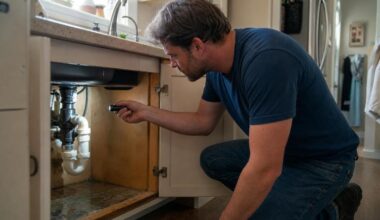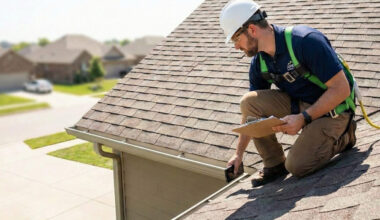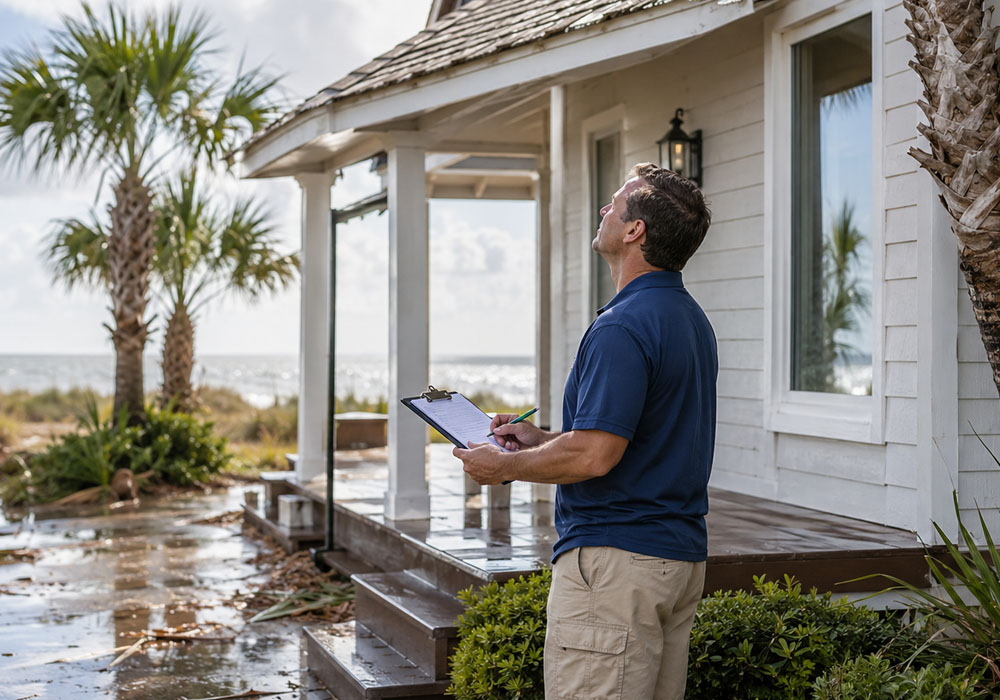
That first quiet morning after a storm passes is deceptive. The wind has died, the rain has stopped, and your street looks almost normal. But the damage is already done, hiding in places you can’t see from the curb. Walk your property too late, and a small leak becomes a mold problem, or a loose shingle becomes a ruined ceiling. Here’s the thing: most post-storm damage is fixable if you catch it within the first 48 hours. So grab a flashlight, put on some shoes you don’t care about, and let’s walk through your home the way an inspector would.
Why the First 48 Hours Matter So Much
Water is patient. It doesn’t rush. It sits in your attic, soaks into your insulation, and waits for you to forget about it. That’s why the first two days after a storm are the only window you really have to prevent secondary damage. Once drywall gets wet, it starts breaking down. Once wood rots, it’s a structural issue, not a cosmetic one.
The Federal Emergency Management Agency reports that just one inch of water can cause up to $25,000 in damage to a typical home, and that figure rises quickly with every extra inch (ready.gov, 2024). That number should scare you into action. Not because you’re about to face a flood, but because even a minor roof leak, left alone for a week, can create the same kind of costly damage on a smaller scale.
So your job right now is simple: find the water before it finds your wallet.
Start With the Roof: What You Can See From the Ground
You don’t need to climb up there. In fact, you shouldn’t. Wet shingles are slippery, and the last thing you need after a storm is a trip to the ER. Instead, stand back and look at the whole roofline from every angle you can manage.
You’re looking for the obvious stuff first: missing shingles, bent flashing, or a chimney that looks tilted. But don’t stop there. Look for granule loss too. If you see dark patches on the roof where the shingles look bald, that means the protective coating has washed away, and those shingles are now vulnerable to the next storm.
If you spot trouble up there, or if you’re just not sure, it’s worth getting a professional set of eyes on it. For homeowners in south Florida, finding experienced roofers in Jupiter, FL who use drone inspections can save you from a dangerous ladder climb. They can spot issues you’d never see from the yard, and they’ll document it all with photos you can hand to your insurance adjuster.
Check Your Gutters and Downspouts: The Unsung Heroes
Gutters take a beating during a storm. Leaves, pine needles, and roofing granules all wash down into them, and if they clog, water backs up under your shingles and into your fascia boards. That’s how you get rot in places you never think to look.
Here’s a quick test: after the rain stops, watch how water drains from your downspouts. Is it flowing freely, or is it spilling over the sides of the gutter? If you see overspill, you’ve got a clog. Clear it now, before the next storm hits.
Also look for gutters that have pulled away from the roofline. That usually means the fasteners have loosened over years of expansion and contraction, and a strong wind finally finished the job.
Windows, Doors, and the Seals You Forgot About
Water tests every seal on your home. The caulk around your windows, the weatherstripping on your doors, the flashing above your exterior light fixtures. All of it gets pushed to its limit during a storm.
Walk the inside of your home now. Run your hand along the bottom of every window frame. Feel the door frames. If anything feels damp or cold, you’ve found a breach. The National Oceanic and Atmospheric Administration notes that most storm-related home damage actually comes from wind-driven rain rather than the wind itself (noaa.gov, 2023). That rain doesn’t fall straight down. It pushes sideways, into gaps you never even knew existed.
So check the seals you can reach. Reapply caulk where it’s cracked. Replace weatherstripping if it’s worn. It’s cheap work, and it stops expensive problems.
The Attic: Your Best Early Warning System
Go up there. Yes, it’s dusty. Yes, it’s cramped. But your attic is the single best place to spot a roof leak before it ruins your ceilings.
Bring a flashlight and look at the underside of the roof deck. You’re looking for water stains, dark streaks, or insulation that looks matted or wet. Pay special attention to valleys, where two roof slopes meet, and around vents, pipes, and chimneys. Those penetrations are where most leaks start.
If you find a wet spot, mark it with a nail or a piece of string so you can find it again from the outside. And here’s a pro tip: don’t walk on your ceiling joists unless they’re covered. Step on the drywall between them and you’ll put a foot through your ceiling.
Document Everything for Your Insurance Claim
You hope you never need to file a claim. But if you do, the quality of your documentation will decide how smooth the process goes. The Department of Energy says homeowners typically underreport damage because they rely on memory instead of records (energy.gov, 2024). Don’t be that person.
Here’s a simple documentation system that works:
- Take photos and videos of every room, every window, and every section of roof you can see
- Capture a wide shot first, then zoom in on specific damage
- Note the date and time on each photo if your phone does that automatically
- Keep receipts for any emergency repairs you make, like tarping a leak or boarding a broken window
- Write a dated journal entry describing what you saw and when
Do this before you call your insurance company. Adjusters are busy after a storm, and the more organized you are, the faster your claim moves through the system.
“The biggest mistake homeowners make after a storm is waiting. They assume that if they can’t see damage, there isn’t any. But most storm damage is hidden, and it gets worse with every passing day.”
That’s a widely shared sentiment among restoration contractors and building inspectors, who consistently advise homeowners to treat the day after a storm like an emergency, even when the house looks fine.
What to Repair Now vs. What Can Wait
Not everything needs immediate attention. Here’s a quick decision guide:
| Issue | Fix It Now | Can Wait a Week
|
| Active leak dripping into the home | Yes, tarp it or patch it immediately | No |
| Missing shingles, no leak yet | Yes, call a roofer this week | No, exposure makes it worse |
| Clogged gutters | Yes, clear them before the next rain | No |
| Cracked caulk around windows | No | Yes, next weekend is fine |
| Minor granule loss on shingles | No | Yes, but get an inspection soon |
Use your judgment here. If you’re unsure whether something is urgent, err on the side of fixing it. The cost of a preventive repair is almost always lower than the cost of the damage it prevents.
The Final Walkthrough: A Habit Worth Building
Here’s the uncomfortable truth: storms will keep coming. You live in a coastal community, and that’s the deal. But you don’t have to dread them. Once you build the habit of doing a thorough post-storm inspection, the whole process takes less than an hour, and you’ll sleep better the night after the next big blow.
Start with the roof from the ground. Move to gutters and downspouts. Check windows and doors. Climb into the attic. Document everything. Then decide what needs immediate attention and what can wait. That’s the whole routine, and it works for every storm you’ll face.
So after the next storm passes, when the morning is quiet and the neighborhood looks untouched, don’t just sip your coffee and assume you’re fine. Grab that flashlight. Walk your property. And ask yourself one honest question: what am I not seeing?