Key Takeaways
- One slow drain often means a nearby, localized clog.
- Several affected fixtures can point to a branch-line or main sewer issue.
- Snaking opens a blockage, while hydro jetting can remove residue from more of the pipe wall.
- Camera inspections help distinguish buildup from roots, cracks, offsets, and collapsed pipe sections.
- Cleaning restores flow, but it cannot correct structural damage to the pipe.
A slow sink is frustrating, but recurring backups across multiple fixtures deserve a closer look. The right solution depends on where the blockage is, what caused it, and whether the pipe itself is still in sound condition.
For grease, sludge, scale, or recurring blockages in a larger line, hydro jetting drain cleaning in West Jordan Utah, may be an option to discuss with a qualified plumbing professional. It is not automatically the best answer for every drain, especially when an older line may have cracks, severe corrosion, or other structural concerns.
Early Signs That a Drain Problem Is Deeper
Start by noticing which fixtures are affected. A bathroom sink that drains slowly while everything else works normally may have hair, soap residue, or a small blockage near the fixture. If a shower backs up when the washing machine drains, a toilet gurgles after the tub empties, or water rises in one drain when another is used, the issue may be farther down a shared line.
Other warning signs include sewage odors, standing wastewater, repeated plunging, and clogs that return soon after cleaning. These symptoms do not prove the sewer line is broken, but they do suggest that a basic drain-opening approach may not solve the full problem.
Why Clogs Keep Coming Back
Recurring clogs usually have a pattern. Kitchen lines often collect fats, oils, grease, and food residue. Bathroom drains commonly accumulate dense deposits of hair and soap. Older pipes can also narrow internally because of mineral scale or corrosion, leaving less room for normal flow.
Foreign objects, wipes, paper towels, and hygiene products can cause sudden blockages, while roots often cause recurring issues. Roots may enter through joints or cracks and expand where moisture is available. Research on root clogging and high-pressure jetting notes that jetting can remove some younger root growth, but stronger roots may require rodding, repair, or replacement. Pipe settlement, poor slope, joint separation, and cracks can also cause debris to settle in the same place repeatedly.
Comparing Common Drain-Cleaning Methods
No single tool fits every blockage. Choosing a method should be based on the clog material, the pipe size, the line’s condition, and whether the problem is local or widespread.
Plungers
Plungers are a practical first step for a nearby clog affecting one sink, toilet, tub, or shower. They are less effective when the obstruction is deep in the system or when several fixtures are involved.
Mechanical Snaking
A drain snake uses a rotating cable to break through, retrieve, or create an opening through an obstruction. It can work well for hair, soap, and smaller localized clogs. However, it may punch a path through heavy grease or scale without fully removing residue along the pipe wall.
Camera Inspection
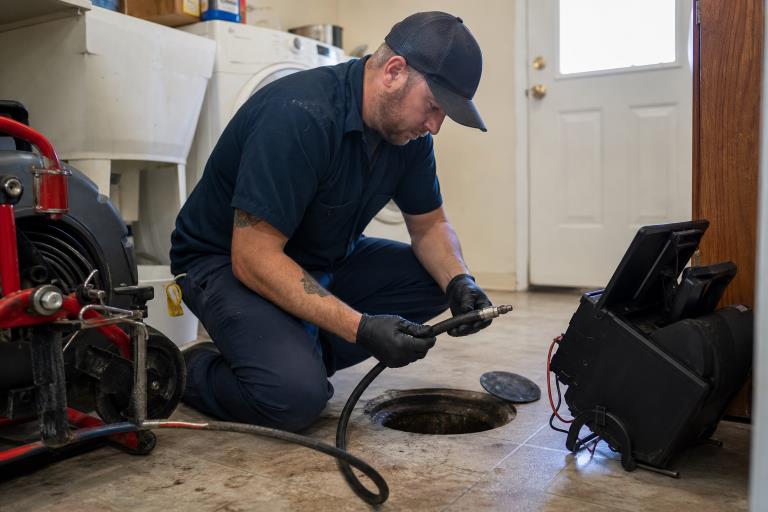
A camera inspection provides a visual view of accessible pipe sections and helps identify whether the issue is buildup, roots, a foreign object, or structural damage. It can prevent repeated cleanings when the underlying problem calls for repair instead.
Where Hydro Jetting Fits
Hydro jetting uses controlled high-pressure water to break apart obstructions and flush loosened debris through the line. It may be a strong fit for recurring grease buildup, sludge, mineral deposits, and some root-related blockages in a branch line or main sewer. A general overview of hydro-mechanical drain cleaning methods also explains how water-based equipment differs from chemical and mechanical approaches.
Jetting is not a universal fix. If a pipe is fragile, heavily corroded, cracked, misaligned, or partially collapsed, pressure cleaning should be approached carefully. An inspection can help determine whether the line is suitable for cleaning and whether repair should come first.
Why a Camera Inspection Matters
Camera inspections help property owners make decisions using evidence rather than guesswork. Depending on access and line conditions, an inspection may reveal root entry points, cracked sections, separated joints, pipe offsets, heavy scale, foreign objects, low spots that hold water, or partial collapse.
An inspection does not automatically mean replacement. A sound pipe with removable buildup may only need thorough cleaning. A localized crack may be a candidate for spot repair, while widespread deterioration may justify a larger repair or replacement plan.
When Cleaning Is Not Enough
Cleaning removes what is blocking the line. Repair corrects the condition that keeps creating the blockage. Cleaning may be enough when the pipe is structurally sound, the obstruction is grease, hair, soap, or loose debris, and normal flow returns after testing the line.
Repair may be needed when the pipe has shifted, collapsed, corroded severely, or developed cracks and open joints that allow roots to return. A sagging section, sometimes called a belly, can also hold water and debris even after the line has been cleaned.
Safe Steps to Take Before Service
- Stop using the affected fixture and avoid running nearby appliances.
- Keep children and pets away from standing wastewater.
- Do not mix drain chemicals or add more product to a backed-up line.
- Tell the technician if a chemical cleaner was recently used.
- Move stored items away from areas that could overflow.
- Note which fixtures are affected and when the symptoms began.
Simple Ways to Reduce Future Clogs
Keep fats, oils, and grease out of kitchen drains, use hair screens in showers, and avoid flushing wipes or paper products that are not designed to break down quickly. Run water at full force when using a garbage disposal, and keep records of repeated drain service. For older properties, homes with large trees, and high-use buildings, periodic inspections can reveal developing issues before a major backup occurs.
Frequently Asked Questions
Is hydro jetting better than snaking?
Neither is always better. Snaking can be effective for a focused obstruction, while hydro jetting may be more appropriate when residue coats a larger portion of the pipe interior.
Can hydro jetting damage old pipes?
Pipe age alone is not the deciding factor: material, corrosion, prior repairs, cracks, and overall structural condition matter. Inspection helps guide the safest approach.
Do chemical drain cleaners fix recurring clogs?
They may provide limited short-term relief for a minor clog, but they do not repair roots, poor slope, damaged joints, or deep buildup. They can also create safety concerns when mixed or handled improperly.
When is a clogged drain an emergency?
Seek prompt help when sewage enters the home, several fixtures back up at once, the main line appears fully blocked, or water is spreading near electrical equipment.
Conclusion
Recurring drain problems are signals that deserve more than repeated temporary fixes. A simple clog may require basic cleaning, while widespread buildup, roots, or pipe damage may require jetting, inspection, repair, or replacement. Matching the solution to the actual condition of the sewer line can reduce repeat service and help prevent a small drainage issue from becoming a larger property problem.