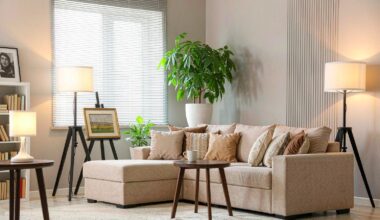
When people discuss personal health, they often focus on daily exercise routines, good nutrition, and steady sleep schedules. While these habits are very important, your physical home plays an equally major role in your overall well-being. The spaces where you spend your daily life constantly interact with your mind and body. Every room layout, wall color choice, and window view sends subtle signals to your nervous system. Your home is not just a basic place to store belongings or shelter from bad weather. It is an active space that shapes how you feel, how you maintain focus, and how you manage daily stress. Understanding how your physical surroundings affect your mood helps you make simple changes that support your wellness goals.
Bringing Daylight and Physical Comfort Into Daily Routines
Natural sunlight is one of the most useful elements within any living space. Exposure to daylight helps regulate your internal body clock. This daylight focus increases your alertness during daytime hours and helps you sleep better at night. Dark rooms with small windows can leave you feeling tired and unmotivated over long periods. Modern residential developments like Terrazul in Miami show how open floor layouts and large windows bring daylight into daily routines. Besides sunlight, physical comfort is vital for keeping your stamina steady throughout a busy week. Supportive chairs, comfortable indoor temperatures, and clean airflow prevent physical strain. These comfort features allow your mind to relax and focus easily. Living in a comfortable space keeps your body feeling refreshed throughout the day.
Reducing Mental Stress Through Privacy and Organization
Visual clutter acts as a silent source of stress that constantly drains your daily energy. When personal items pile up on tables or counters, your brain receives visual reminders that tasks remain unfinished. Clearing key spots like desks, kitchens, and bedrooms brings an immediate sense of order and peace. Personal privacy is also critical for emotional recovery after a busy day. Having a quiet room or cozy corner gives you space to escape external pressure and recharge your mind. Setting up distinct zones for work and relaxation trains your brain to switch smoothly between active focus and restful downtime. Taking time to organize your room creates a calm feeling.
Establishing Dedicated Spaces for Healthy Daily Habits
Here are five key ways your home environment supports personal well-being:
- Natural daylight builds daily energy.
- Clean spaces reduce mental stress.
- Quiet rooms support deep rest.
- Good chairs protect your body.
- Special spots build healthy habits.
Creating dedicated areas for your daily activities allows you to move through your routines with far less stress. When your environment aligns with your habits, it’s easier to stay focused on healthy choices. Organized rooms make daily chores easier and keep your mental state balanced. Taking control of your surroundings helps you build positive routines that last for many years.
Designing a Peaceful Space for Lasting Balance
Your home environment should be a helpful partner in your effort to stay healthy, calm, and happy. Let in natural light, tidy up your space, ensure your privacy, and create positive habits. This transforms an ordinary house into a true sanctuary. Small, simple updates to your living space yield quick improvements in your daily mood and overall vitality. Caring for your personal space remains one of the best choices you can make for your overall well-being.
Looking for more tips and ideas? We’ve got you covered. Check out some of our other posts now.