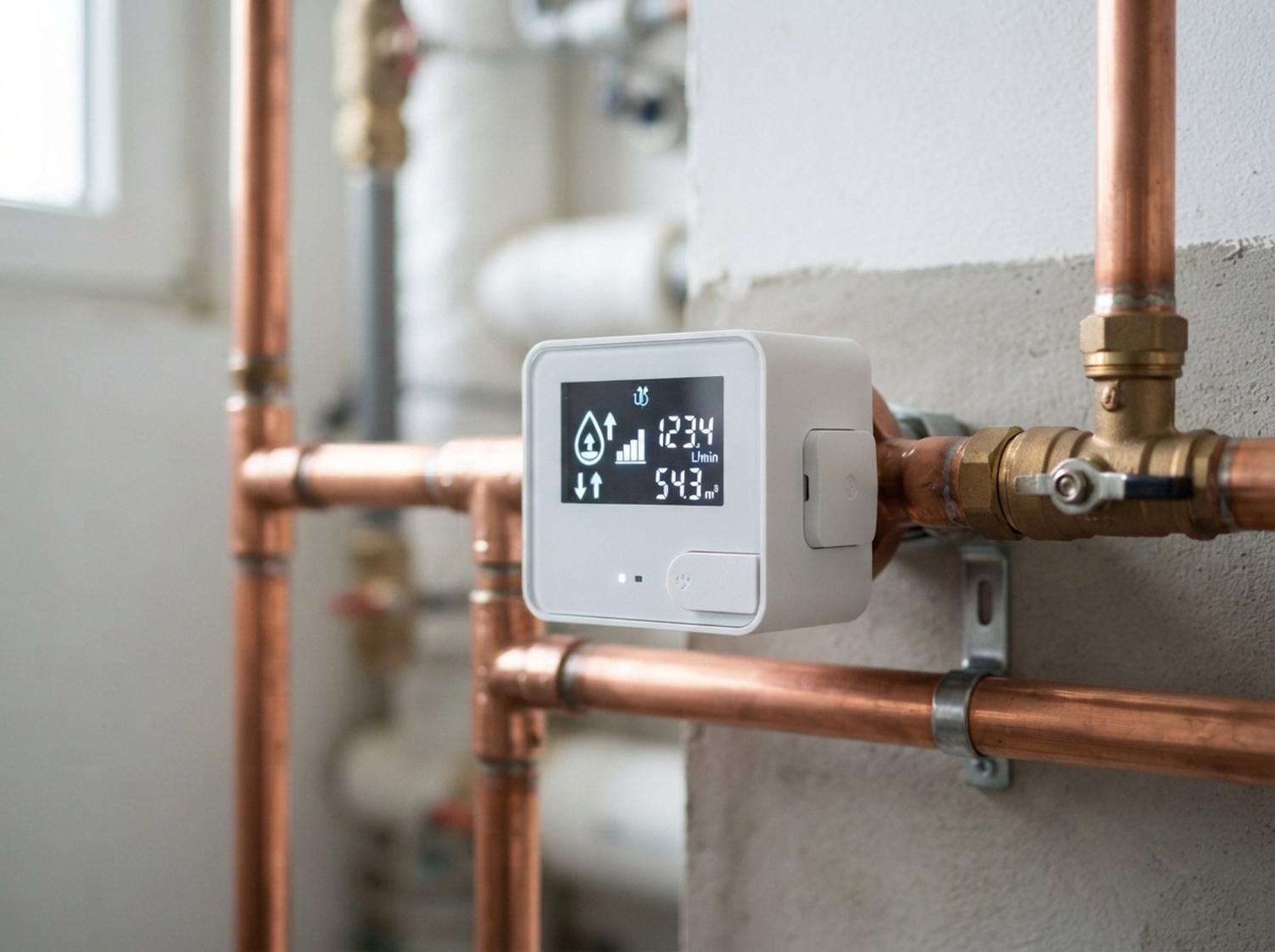
Hot water is one of the essentials of modern home life, used countless times a day for showering, cleaning, and washing. Yet the system that provides it is something most people know very little about, until it needs attention. When a hot water system ages, underperforms, or needs replacing, homeowners suddenly find themselves facing decisions about a system they have never really thought about. A practical understanding of home hot water systems, how they work, what types exist, and how to care for them, helps homeowners make good decisions and get reliable hot water for years to come.
The Central Role of Hot Water
Hot water plays a central role in daily home life, more so than we usually acknowledge. A household draws on hot water many times each day, and a reliable supply is essential to comfort and routine. When a hot water system works well, it does so invisibly, quietly meeting the household’s needs without drawing attention to itself.
This central role means that the hot water system is one of the more important systems in a home, even though it rarely gets much thought. Its reliability affects daily comfort directly, and its efficiency affects household running costs, since heating water is a significant part of home energy use. Understanding the importance of the hot water system helps homeowners appreciate why it is worth understanding and caring for, rather than ignoring until it fails. A system this central to daily life deserves at least a basic understanding from the homeowners who depend on it, so they can make informed decisions when the time comes.
Different Types, Different Characteristics
Home hot water systems come in several types, each with its own characteristics, and understanding the main distinctions helps homeowners navigate their options. Systems differ in how they heat water and in the energy source they use. Some systems store hot water in a tank, keeping it ready for use, while others heat water on demand as it is needed. Each approach has its own advantages and considerations.
Systems also differ in their energy source, with options including gas, electricity, and others, each with different implications for running costs and suitability. The right type for a given household depends on factors like the household’s hot water needs, the available energy sources, and the household’s priorities. For homeowners in Brisbane considering their options, understanding the available hot water systems Brisbane can offer helps in choosing a system suited to the home. Understanding that different types of hot water systems exist, each with its own characteristics, is the foundation for making an informed choice, whether replacing an old system or selecting one for a new situation. The variety means there is a suitable option for most households, once the differences are understood.
Choosing a System That Suits Your Home
When it comes time to choose a hot water system, several considerations help guide the decision. Household size and hot water usage are central, since a system needs to meet the household’s demand without waste or shortfall. A larger household with high hot water use has different needs than a smaller one, and the system should be sized and chosen accordingly.
Energy efficiency and running costs are also important considerations, given that hot water is a significant part of home energy use. The Australian Government’s energy advice service provides guidance on hot water system types, efficiency, and running costs, helping homeowners understand the long-term financial picture of their choice. Other factors include the available energy sources at the home, the space available, and the household’s budget. Weighing these considerations, ideally with professional advice, helps homeowners choose a system genuinely suited to their home and needs. Because a hot water system serves a household for many years, taking the time to choose well is worthwhile, ensuring the system provides reliable, efficient hot water suited to the household.
Caring for Your Hot Water System
Once a hot water system is in place, caring for it helps ensure it provides reliable hot water and lasts as long as possible. Like any system, a hot water system benefits from maintenance, which helps it operate efficiently and can catch developing issues before they become failures. Regular attention to the system supports its performance and longevity.
Professional maintenance is valuable for hot water systems, since a qualified plumber can inspect and service the system, addressing any issues and helping it continue to function well. Attending to the system before problems become serious helps avoid the inconvenience of an unexpected hot water failure, which always seems to happen at the worst time. For homeowners, this means treating the hot water system as something to be maintained rather than ignored until it breaks. By caring for the system with appropriate maintenance, homeowners help ensure reliable hot water and extend the life of the system, getting the most from this important investment and avoiding the disruption of an untimely failure.
A System Worth Understanding
The hot water system is one of the quiet essentials of a comfortable home, and understanding it, its importance, its types, how to choose one, and how to care for it, helps homeowners make good decisions and enjoy reliable hot water. Though it rarely gets much thought until it needs attention, the hot water system is worth understanding for the central role it plays in daily life.
For homeowners, a practical grasp of hot water systems pays off when decisions arise, whether choosing a new system or caring for an existing one. Understanding the options helps in making an informed choice suited to the home, and appreciating the value of maintenance helps keep the system running reliably for years. Professional guidance supports both good choices and proper care. By giving the hot water system the understanding it deserves, homeowners can ensure this essential part of the home continues to provide the reliable hot water that daily life depends on, quietly and dependably, as a good hot water system should.