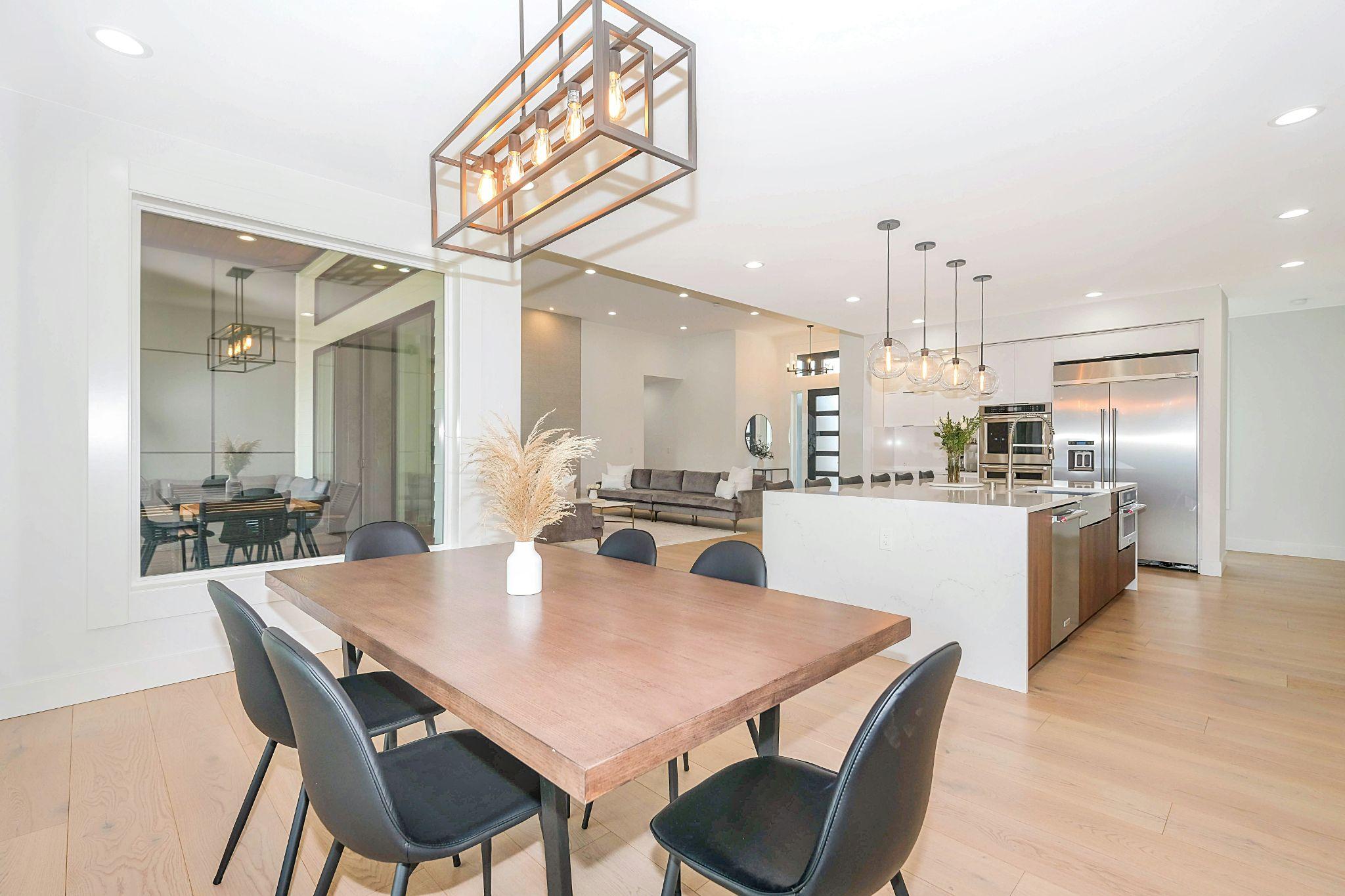
Some home improvements change what a property looks like. Others quietly change what happens inside it every day. A new countertop may make a kitchen more attractive, but reorganizing that kitchen so the family actually cooks and eats together more often can influence an entire routine. The same distinction applies to home gyms, outdoor living spaces, wellness rooms, offices, and entertainment areas.
That is where a home upgrade becomes something bigger. Its value is no longer limited to square footage, finishes, or resale appeal. It starts changing how often you exercise, relax, entertain, work, or spend time with other people. The most successful upgrades earn their place by becoming part of ordinary life rather than remaining impressive features that are rarely used.
The Best Upgrade Removes a Regular Obstacle
A lifestyle-changing improvement usually begins with a recurring inconvenience. Perhaps working from the dining table means packing away a laptop every evening. Maybe exercising requires a lengthy trip to a gym, or the backyard remains unused because there is nowhere comfortable to sit after sunset.
Solving that repeated problem can have a greater impact than adding a feature simply because it is fashionable.
This is particularly relevant with wellness improvements. Someone who already enjoys traditional sauna sessions but rarely visits a spa or gym because of the travel and scheduling involved may use one far more regularly when it is at home. A compact 2 person traditional sauna can turn an available part of a home into a dedicated space for a couple or individual without requiring the footprint of a large communal installation.
The important question is not whether the feature sounds luxurious. It is whether removing the inconvenience makes you genuinely more likely to use it.
A Home Gym Can Change When Exercise Happens
Buying exercise equipment is easy. Creating a space that actually makes exercise more convenient requires more thought.
A successful home gym should reflect the activities its owner already enjoys or realistically wants to develop. Someone focused on strength training needs different flooring, equipment, and storage from someone primarily interested in yoga or indoor cycling.
Convenience is where the lifestyle change occurs. A 30-minute workout becomes much easier when there is no commute, changing room, parking problem, or need to coordinate around gym hours. Exercise can happen before work, between other responsibilities, or whenever an unexpected gap appears in the day.
The room does not have to resemble a commercial fitness center. A smaller space containing equipment that gets used several times each week can provide considerably more value than an elaborate gym filled with machines nobody touches.
Outdoor Improvements Can Change How You Entertain
A garden or patio may look attractive without functioning as a genuine living area. Adding the right features can change that.
Comfortable seating, shade, lighting, an outdoor dining table, or a convenient cooking area can encourage people to spend more time outside. Instead of the garden being something viewed through a window, it becomes somewhere to eat breakfast, work for an hour, invite friends, or relax after dinner.
The difference often comes down to reducing friction. If every outdoor meal requires carrying chairs from storage, finding extension cords, and making repeated trips to the kitchen, enthusiasm can disappear quickly.
When the space is already prepared for use, spontaneous outdoor living becomes much more likely. That behavioral change is what separates a decorative renovation from a lifestyle improvement.
A Dedicated Office Can Restore Boundaries
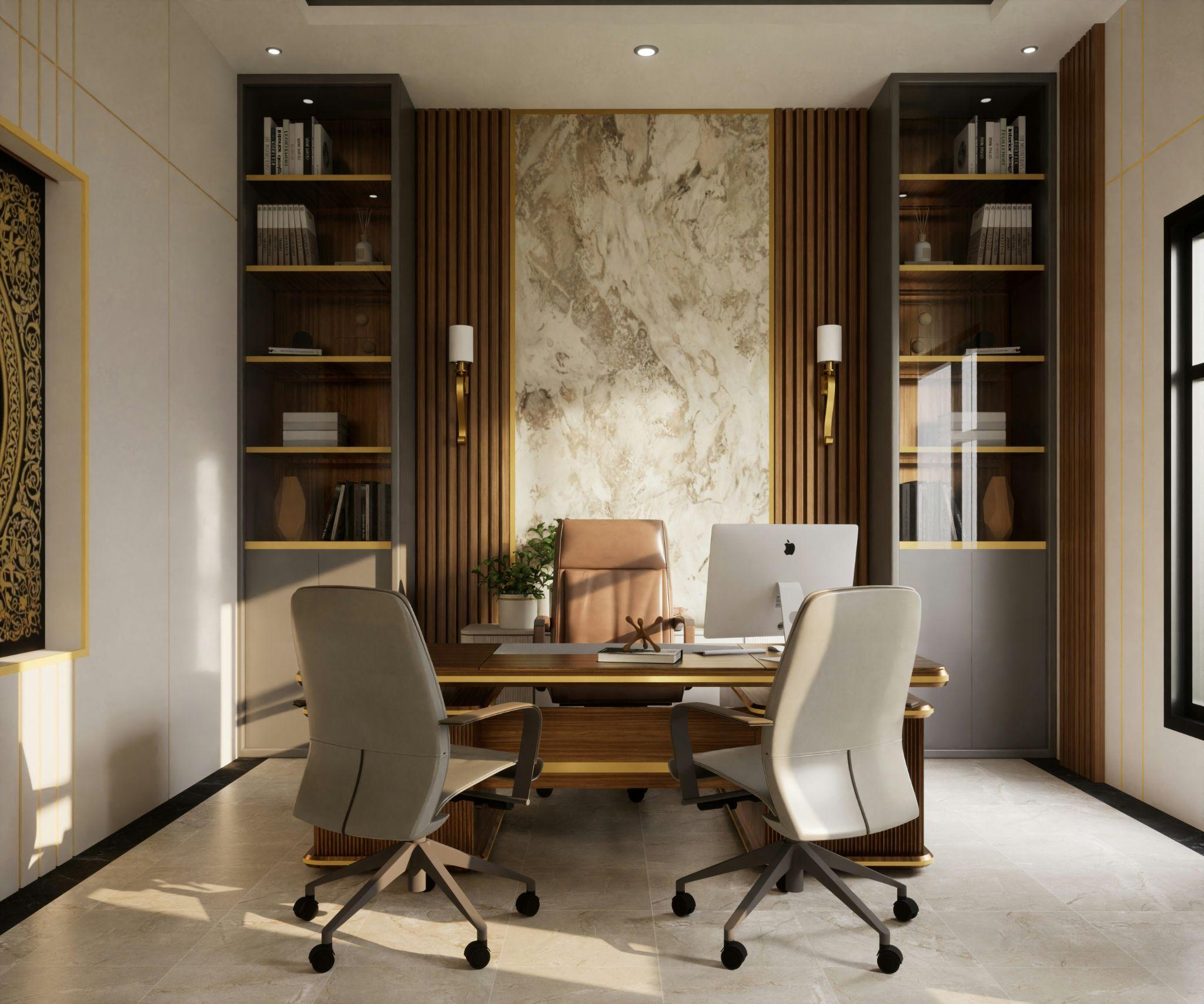
Working from home demonstrated how adaptable residential spaces can be, but it also revealed the limitations of trying to make one room perform several incompatible jobs.
A permanent office can improve more than productivity. It creates a physical boundary between professional and personal time. Work has somewhere to begin in the morning and, equally importantly, somewhere to remain when the day ends.
Good lighting, an appropriate desk, comfortable seating, storage, and acoustic privacy can make long working periods easier. Doors can matter more than expensive furniture when meetings or concentrated work need to coexist with normal household activity.
When an upgrade makes it easier to close the laptop and mentally leave work behind, its benefit extends well beyond the hours spent at the desk.
Kitchens Become Lifestyle Upgrades When They Bring People In
Kitchen renovations often focus heavily on finishes: stone surfaces, cabinetry, appliances, hardware, and lighting. Those choices matter, but layout can have a greater influence on how the household lives.
An island with seating can turn food preparation into a social activity. Better storage can make regular cooking less frustrating. A pantry can prevent countertops from becoming permanently crowded, while thoughtful lighting can make the kitchen pleasant enough that people naturally remain there.
For households that entertain, improvements to circulation can also change how gatherings work. Guests can talk with whoever is cooking without standing directly in the preparation area, and food can move between cooking, serving, and dining spaces more easily.
A successful kitchen renovation therefore does more than create better photographs. It makes cooking, eating, and gathering easier often enough that household routines begin to change around it.
Comfort Improvements Can Change Which Rooms You Use
Sometimes the most influential upgrade is not a new room at all. It is making an existing space comfortable enough to use properly.
A basement may become a favorite family room after better lighting, flooring, temperature control, and furniture are added. An overlooked corner can become a reading space with a comfortable chair and good lamp. A cold sunroom may become useful for much more of the year after appropriate improvements.
This matters because homes frequently contain technically usable spaces that people quietly avoid. Something about the temperature, acoustics, furniture, lighting, or layout makes another room more appealing.
Fixing that problem effectively adds useful living space without necessarily expanding the building. More importantly, it changes where people spend their time.
Measure Value by Tuesday, Not Special Occasions
The easiest way to judge a potential lifestyle upgrade is to imagine an ordinary week.
A home theater may sound spectacular, but how frequently will it actually be used? A beautiful formal dining room has limited lifestyle value if everyone prefers eating in the kitchen. Conversely, a relatively compact home gym, sauna, office, reading area, or covered patio might become part of the weekly routine almost immediately.
Frequency is not the only measure. Some spaces are intentionally designed for occasional experiences. But homeowners should be realistic about whether they are allocating valuable space to something they genuinely enjoy or to an idea of luxury that sounds impressive.
The strongest home upgrades make desirable activities easier to repeat. They remove the trip to another location, eliminate setup time, create a dedicated place for an existing interest, or make an underused area genuinely comfortable.
That is the point at which renovation starts affecting lifestyle. The house does not merely contain something new. The people living there begin behaving differently because it is there, and months after the novelty has disappeared, they are still using it.