Buying needles in bulk isn’t a decision to rush, and it shouldn’t be one made purely on price either. A few practical questions decide whether a switch actually pays off for a specific practice. Here’s what to work through before you shop TSK Low Dead Space NEEDLE options for your clinic or supply order.
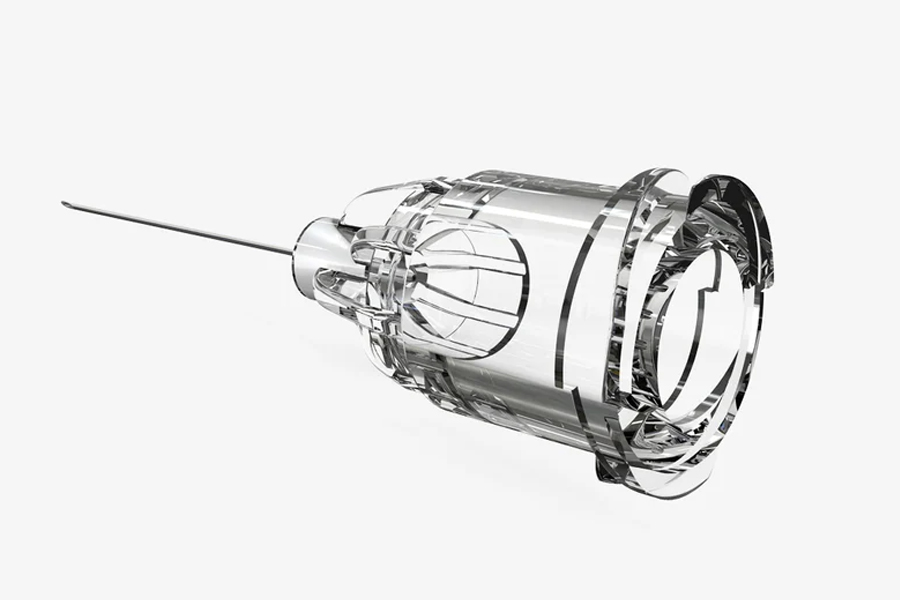
What’s Actually In The Box
| Detail | Standard Spec |
| Gauge options | 30G, 32G, 33G |
| Hub design | Low Dead Space (LDS) |
| Hub material | Hard polymer |
| Syringe compatibility | Luer lock |
| Packaging | 100 per box, individually sterile |
| Manufactured in | Japan |
That gauge range matters more than it looks at first glance. A clinic doing mostly botulinum toxin work will lean toward 32G or 33G for finer, shallower injections. A practice handling ophthalmic drugs or thicker fluids might need the 30G option instead, especially paired with the wider TSKiD barrel variants for easier flow.
Questions Worth Asking Before Ordering
- What fluid volume and viscosity will this needle actually be injecting most often
- Does the current syringe stock use Luer lock connections, since that’s a requirement here
- How much product waste is the practice currently absorbing with its existing needle and hub setup
- Is the injectable expensive enough that recovering up to 0.08ml per dose changes the math
- Does the supplier require proof of medical licensing, which most legitimate sellers of this device do
That third question is worth sitting with. A clinic that doesn’t track its current waste has no real baseline to compare against, and without a baseline, it’s hard to know if a switch is actually saving money or just adding a new line item to the supply budget.
Why The Savings Aren’t Hypothetical
Dead space waste isn’t a marketing invention. During COVID-19 vaccine distribution, health systems documented that standard needle and syringe setups lost close to 20% of a 0.3ml dose to dead space alone, based on published dead volume analysis at the time. Even low dead space syringes paired with standard needles still lost around 11%. Those numbers came from vaccines, but the same physics applies to botulinum toxin, ophthalmic drugs, and any other fluid measured out in fractions of a milliliter.
Cost Context Worth Having
Botulinum toxin alone isn’t cheap. National average professional fees for a single treatment sit near 550 dollars as of 2025, and the toxin itself makes up a real share of that cost before a clinic even factors in overhead. Multiply a few dozen patients a week by a needle design that recovers meaningful product on every injection, and the annual difference stops being a rounding error.
Where This Needle Tends To Fit Best
Not every practice needs the same gauge or the same TSKiD barrel width. A busy aesthetics clinic running mostly toxin appointments will likely settle on the finer end of the range, while an ophthalmology practice handling thicker anti VEGF formulations may lean toward the wider bore options. There’s no single right answer here, which is exactly why it’s worth matching the spec sheet to actual case volume before placing a bulk order rather than defaulting to whatever gauge a previous supplier happened to stock.
Before You Finalize An Order
Confirm gauge, confirm syringe compatibility, and get a real number on current waste if possible. Those three things decide whether this needle earns a permanent spot in a practice’s supply order or ends up as a one time trial that never gets repeated. A small first order tested against real patients beats a full year’s stock ordered on a hunch, and it gives a clinic real numbers to compare against whatever it was using before.