You bring your child in for a routine dental visit, and then you hear a phrase you were not expecting. The tooth is not coming in the way it should. Your child may need a panoramic x ray from a pediatric orthodontist in Reseda, CA. That can stop you cold, especially if your child feels fine and you were not prepared to talk about dental imaging.
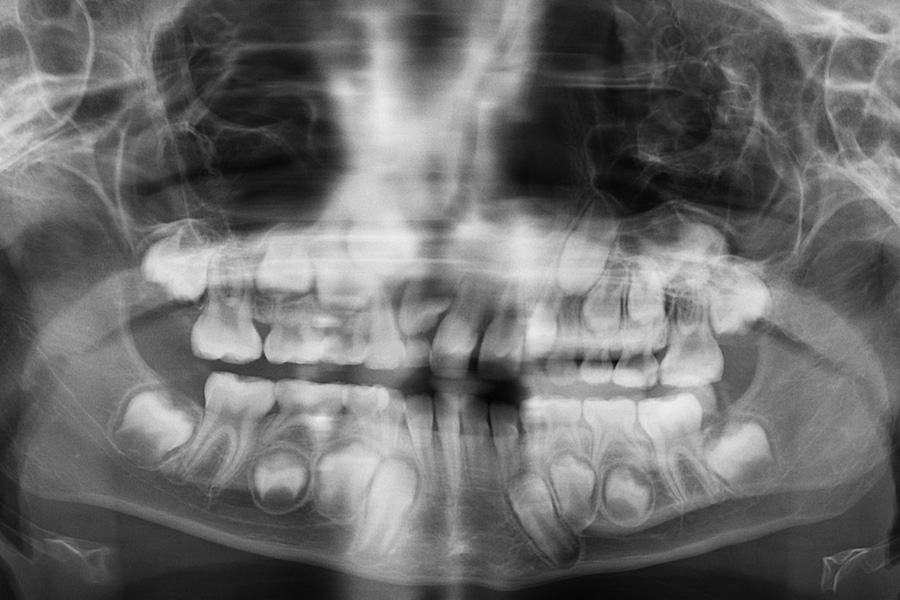
A lot of parents land here the same way. A baby tooth stays in place too long. A permanent tooth seems late. One side looks different from the other. Sometimes there is crowding, swelling, or a tooth that appears to be missing. The goal of a panoramic x ray is simple. It helps the pediatric dentist see the teeth, jaws, and surrounding structures in one image so they can find an unerupted tooth and figure out what is blocking it, where it is sitting, and what needs to happen next.
That matters because a tooth that stays trapped under the gums can affect nearby teeth, bite development, and treatment timing. A clear image often prevents guessing, extra appointments, and delays that make treatment harder later.
A panoramic x ray shows what the gums cannot
An unerupted tooth is a tooth that has not broken through the gums when expected. Sometimes that delay is harmless. Kids develop at different rates, and some teeth just take longer. Other times, the tooth is impacted, turned sideways, blocked by another tooth, or developing in the wrong position.
This is where panoramic dental x rays for children become useful. Unlike small bitewing or periapical x rays that show only part of the mouth, a panoramic image captures the full upper and lower jaws in one sweep. It can show whether the missing tooth is present, whether there is enough room for it to erupt, and whether a cyst, supernumerary tooth, or crowding is getting in the way.
If your child has a front tooth that never came in after the baby tooth fell out, your pediatric dentist may want to know whether the permanent tooth is simply delayed or stuck high in the bone. If a baby canine remains long after the matching tooth on the other side has erupted, that uneven pattern can point to a hidden problem. The x ray gives a map before anyone makes a treatment plan.
Delaying imaging can create bigger orthodontic and dental problems
Waiting can feel easier when your child has no pain. Many unerupted teeth do not hurt at first. The problem is that hidden teeth can still cause damage quietly. They can press on the roots of nearby teeth, shift the path of eruption, or lead to crowding that gets worse over time.
You may also be weighing cost, radiation exposure, and whether this is really needed. Those are fair concerns. Parents should ask questions. The answer usually comes down to whether the image will change care. According to the American Academy of Pediatric Dentistry radiograph recommendations, dental x rays for children should be based on the child’s health history, clinical exam, and risk for disease or developmental problems. They are not meant to be routine without a reason.
The same principle appears in the FDA guidance on selecting patients for dental radiographic examinations. Imaging is chosen when it helps diagnose a condition that cannot be confirmed well enough by looking in the mouth alone. An unerupted tooth is a strong example of that.
Parents often worry most about radiation, and that concern deserves a direct answer. A panoramic x ray uses a low dose of radiation, and dental teams are trained to keep exposure as low as reasonably achievable. RadiologyInfo explains panoramic x rays as a way to capture a broad view of the jaws and teeth without the need for multiple small images. In the right situation, one panoramic image may actually reduce the need for several other films.
A panoramic x ray helps a pediatric dentist plan the next step
Finding the tooth is only part of the reason for imaging. The image also helps guide what comes next. Sometimes the answer is simple monitoring because the tooth is present and developing normally. Sometimes a baby tooth needs to be removed because it is blocking the path. Some children need orthodontic evaluation to create space. Others may need an oral surgeon to expose the tooth so it can be guided into place.
Why a child may need an x ray for a hidden tooth often comes down to timing. Early treatment can be smaller and less stressful. Late treatment can mean a more difficult eruption path, more crowding, or more work to protect nearby teeth. A pediatric dentist uses the image to decide whether watchful waiting is safe or whether action now will protect your child’s bite and oral health.
Benefits and concerns of panoramic imaging for an unerupted tooth
| Concern or Goal | Without Panoramic Imaging | With Panoramic Imaging |
| Locate a missing permanent tooth | The dentist may suspect the tooth is delayed but cannot confirm position | The full jaw image can show whether the tooth is present and where it sits |
| Check for blockage | Extra teeth, crowding, or abnormal eruption path may stay hidden | The image can reveal crowding, supernumerary teeth, and impaction |
| Protect nearby teeth | Pressure on roots may go unnoticed until damage appears | The dentist can see if the unerupted tooth is affecting adjacent teeth |
| Radiation exposure | No exposure from this image, but diagnosis may be delayed or require multiple images later | Low dose imaging used only when clinically needed to guide care |
| Treatment planning | More uncertainty, more monitoring, and possible delays | Clearer decision making for observation, extraction, orthodontics, or referral |
What you can do next if your child needs imaging
Ask what the dentist is looking for. You want a plain answer. Ask whether the concern is delayed eruption, impaction, crowding, an extra tooth, or possible damage to nearby teeth. When you know the reason, the recommendation feels less abstract.
Ask how the result will change treatment. A good question is whether the image will affect timing or next steps. If the answer is yes, that usually means the x ray has a clear purpose. This is the heart of pediatric dentist decision making with radiographs.
Keep the follow up moving. If the image shows a hidden tooth, do not let the plan drift. Schedule the recheck, orthodontic consult, or referral your child needs. Teeth do not always correct course on their own, and timing can make treatment much easier.
If your child’s tooth is not coming in as expected, you are not overreacting by asking for answers. A panoramic x ray can give the pediatric dentist the view they need to find the problem early and protect your child’s smile. Reach out to schedule an evaluation and get a clear plan for what comes next.