When your air conditioner starts struggling on a hot day, it can be difficult to tell whether you need a quick fix or routine maintenance. Knowing the difference can help you respond before a minor issue becomes a larger and more expensive problem. If your system is already showing signs of trouble, timely ac repair for cooling issues may be necessary. On the other hand, regular maintenance can help reduce the likelihood of unexpected breakdowns and keep your cooling system operating more efficiently.
Understanding the Difference Between AC Repair and Maintenance
Although AC repair and maintenance are closely related, they serve different purposes.
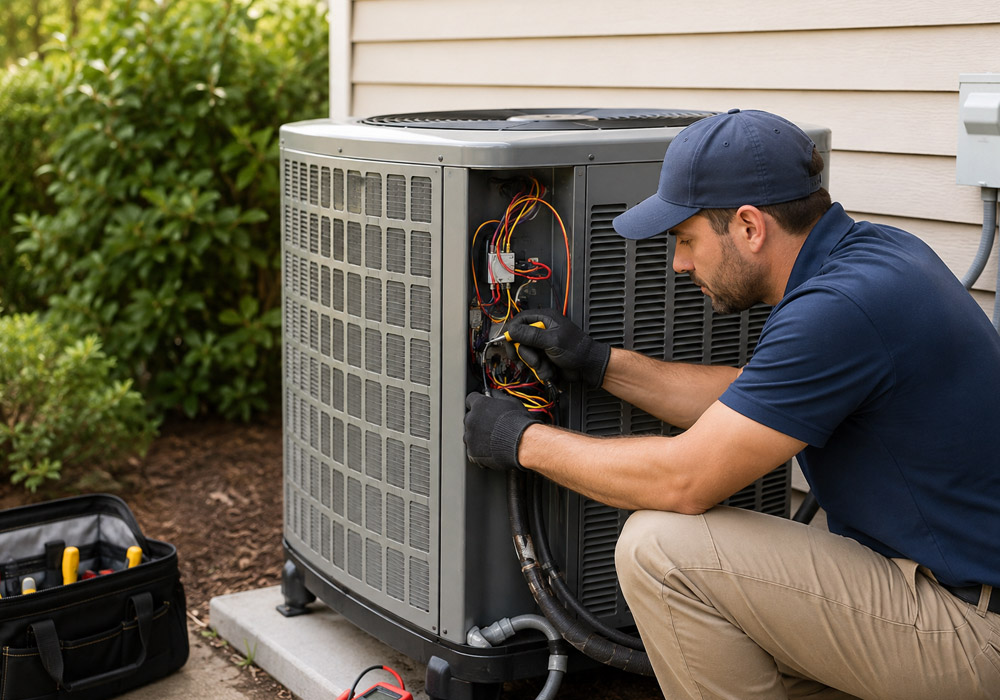
AC maintenance is preventative. It involves routine inspections and service designed to keep the system in good working condition. A technician may inspect electrical components, clean important parts, check refrigerant levels, examine airflow, and look for early signs of wear.
AC repair is corrective. It becomes necessary when something has already gone wrong. A failing capacitor, damaged electrical component, refrigerant leak, frozen coil, malfunctioning thermostat, or broken fan motor may all require professional attention.
Think of maintenance as taking care of a problem before it develops, while repair addresses an existing problem.
Common Signs Your AC Needs Attention
Some cooling problems are easy to recognize, while others develop gradually. Paying attention to changes in your system can help you determine when professional service may be appropriate.
One common warning sign is reduced cooling performance. If your home no longer reaches the temperature set on the thermostat, the system could have an airflow problem, dirty components, low refrigerant, or another mechanical issue.
Another concern is weak airflow from the vents. When air feels noticeably weaker than usual, the cause could range from a clogged filter to problems with the blower or ductwork.
You should also pay attention to unusual sounds. Grinding, rattling, buzzing, squealing, or repeated clicking can indicate that a component is loose, worn, or malfunctioning. Ignoring strange noises may allow the underlying issue to become more serious.
When Routine Maintenance Makes Sense
Even when your AC appears to be working normally, regular maintenance can be worthwhile. Air conditioning systems contain numerous moving, electrical, and mechanical components that experience wear over time.
During a maintenance visit, a professional can inspect the system and identify potential concerns before they lead to a breakdown. Cleaning and checking components can also help the equipment operate more consistently.
A maintenance appointment is particularly useful when your system has been running heavily for an extended period. Seasonal servicing gives a technician an opportunity to evaluate the system before you depend on it during periods of high demand.
Routine maintenance does not guarantee that an air conditioner will never break down, but it can make it easier to identify developing problems early.
Cooling Problems You Should Not Ignore
Some issues deserve prompt attention rather than waiting for the next scheduled maintenance appointment.
If your AC is blowing warm air, for example, the system may have a thermostat problem, restricted airflow, electrical issue, refrigerant-related problem, or malfunctioning component.
Water around the indoor unit is another warning sign. Condensation is a normal part of air conditioning, but unexpected pooling or leaking can indicate a clogged drain line, frozen coil, or another issue that needs to be investigated.
A system that frequently turns on and off may also be experiencing a problem. Short cycling can be related to thermostat settings, airflow restrictions, equipment issues, or an improperly sized system. Continuing to operate an air conditioner under these conditions can put unnecessary strain on its components.
If you notice burning smells, electrical odors, or unusual smoke, turn the system off and seek professional assistance rather than attempting to diagnose an electrical problem yourself.
Simple Steps Homeowners Can Take
Not every cooling problem requires immediate professional intervention. There are a few basic steps homeowners can take to support normal AC operation.
Start with the air filter. A dirty or clogged filter can restrict airflow and make the system work harder. Check the filter regularly and replace it according to the manufacturer’s recommendations.
Next, make sure supply and return vents are not blocked by furniture, curtains, rugs, or other household items. Consistent airflow is important for maintaining comfortable indoor temperatures.
It is also helpful to keep the outdoor unit’s surrounding area reasonably clear. Leaves, grass clippings, and other debris can accumulate around the equipment and interfere with airflow.
These simple measures can support system performance, but they should not replace professional service when a mechanical or electrical problem is suspected.
Why Early Attention Matters
It can be tempting to ignore a minor cooling issue when the AC is still producing some cold air. However, unusual performance often indicates that something has changed within the system.
Addressing problems early may help prevent additional wear on other components. For example, restricted airflow can cause an AC system to work harder than necessary, while an unresolved mechanical issue may eventually lead to a complete loss of cooling.
Early attention also makes it easier to distinguish between a simple maintenance need and a repair that requires specialized troubleshooting.
How to Decide Between Repair and Maintenance
The simplest way to approach the decision is to consider whether your AC is currently experiencing a problem.
If the system is operating normally but has not been inspected or serviced recently, maintenance may be the appropriate next step. If you are noticing poor cooling, unusual noises, leaks, weak airflow, strange odors, or repeated cycling, the system may need repair or diagnostic service instead.
In some cases, both are appropriate. A technician may repair an existing fault and then recommend maintenance steps to help keep the system operating properly afterward.
Keep Your Cooling System Ready
Understanding the difference between AC repair and maintenance makes it easier to respond when cooling problems appear. Maintenance focuses on prevention and system upkeep, while repair addresses faults that are already affecting performance.
For homeowners, the best approach is to pay attention to changes in cooling performance, keep up with basic care such as filter replacement, and arrange professional service when something does not seem right. Acting early can help protect comfort, reduce unnecessary strain on the equipment, and keep your home cooling system prepared for the demands of hot weather.
Conclusion
Knowing when to schedule AC repair versus air conditioning maintenance is an important part of responsible HVAC care. Routine maintenance helps identify potential problems, support efficient operation, and keep essential components in good working condition, while professional AC repair is necessary when an existing issue affects cooling performance. Homeowners should not overlook warning signs such as warm air, weak airflow, unusual sounds, refrigerant-related concerns, water leaks, or frequent short cycling.
Addressing these symptoms promptly can help prevent minor cooling problems from developing into more complicated system failures. Along with replacing air filters and keeping vents and outdoor equipment clear, professional HVAC service can help maintain dependable air conditioning performance. A proactive approach to AC maintenance and timely repairs can provide more consistent indoor comfort while helping homeowners get the most from their cooling system.