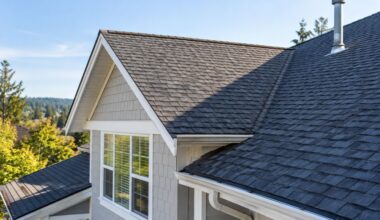
Minnesota homes take a beating from the weather, plain and simple. Between brutal winters and steamy summers, the outside of your house deals with more stress than most people realize.
From roof shingles to siding panels, each part of your exterior reacts differently to temperature swings, snow loads, and humidity. This piece breaks down what happens to your home throughout the year.
Freeze-Thaw Cycles and Shingle Deterioration
Minnesota winters swing from freezing to thawing more times in a season than most other states see in years. Each cycle forces tiny amounts of moisture into asphalt shingles, then freezes it solid again. Over time, this back-and-forth cracks the protective granules right off the surface, leaving bare spots exposed to sun and rain.
Once those granules wear away, shingle edges start to lift just slightly, enough for water to sneak underneath during a spring downpour. According to a roofer at a Minneapolis roofing company, homes built before the mid 2000s often show this pattern first along north-facing slopes, where ice lingers longest, and sunlight rarely reaches to dry things out.
The shingles also expand and contract with every hot afternoon and cold night, slowly loosening the adhesive seals that hold each row in place. Wind can then pry at these weakened spots, and what started as a minor seal issue turns into missing shingles after just one strong storm rolls through.
All this wear adds up faster than most homeowners expect. A roof rated for twenty-five years in a milder climate might only last eighteen or twenty here, simply because of how often it cycles through freezing and thawing. Catching granule loss early, before it spreads across the whole roof, can add several years back onto that lifespan.
Heavy Snow Loads and Roof Structure Stress
A single foot of fresh snow can weigh close to five pounds per square foot, and wet, packed snow gets even heavier. Across a fifteen hundred square foot roof, that adds up to thousands of pounds pressing down all winter long, especially after a string of storms with no real thaw in between.
Flat and low-slope roofs carry more risk here since snow has nowhere to slide off naturally. It just sits and packs down, layer after layer, until the structure underneath is holding weight it was never really designed for. Older garages and additions with flatter designs tend to struggle the most.
Sagging in the decking is usually the first sign something’s wrong, and it’s easy to miss from ground level. Doors that suddenly stick, cracks forming near ceiling corners, or a visible dip when you look at the roofline from the street all point to a structure under more strain than it can comfortably handle.
Good attic ventilation plays a bigger role than people think in keeping snow load manageable. A well-vented attic stays closer to outdoor temperature, so snow melts and refreezes less unevenly, meaning less weight builds up in one spot. Poor airflow, on the other hand, warms the roof deck and speeds up dangerous freeze-thaw patterns overhead.
Ice Dams and Gutter System Damage
Ice dams start with warm air escaping into the attic from the living space below, melting snow on the upper part of the roof while the eaves stay cold. That uneven melt starts the problem, and it happens more in homes with poor insulation or gaps around recessed lighting and attic hatches.
That meltwater runs down to the cold eaves and refreezes there, building up thick ridges of ice right at the roof edge. Each storm adds another layer, and before long that ridge acts like a dam, holding back water that has nowhere to go except sideways and backward under the shingles above it.
Once water gets under the shingles, it can travel a surprising distance before finding a gap to drip through. Stained ceilings, bubbling paint near exterior walls, and damp insulation in the attic are all signs that trapped water has already made its way inside, sometimes weeks before anyone actually notices a drip.
Gutters take a beating during all of this too, since the weight of accumulated ice can pull them away from the fascia board entirely. Sections that were once tightly fastened start to sag or separate at the seams, and by spring you’re often left replacing gutter runs that ice damage quietly wrecked over the winter.
Summer Hailstorms and Exterior Surface Impact
Minnesota sits close enough to hail alley that summer storms bring real risk of hail damage almost every year. Warm, humid afternoons collide with cooler air fast enough to build the kind of storm cells that drop hail ranging anywhere from pea-sized to golf ball-sized in a matter of minutes.
Not all hail damage looks the same on a roof. Bruised shingles might feel soft when pressed but show no obvious tear on the surface, while a harder hit cracks the material outright and leaves a visible mark you can spot from the ground if you know what to look for.
Siding, gutters, and window screens take a hit too, and the damage is sometimes easier to spot there than on the roof itself. Small dents in aluminum siding, dinged gutter edges, and torn or bent screens are common after a bad storm, and they’re worth checking right alongside the roof.
Timing matters a lot when it comes to insurance after a hailstorm. Most policies require you to report damage within a set window, often around a year, so photographing dents and cracks right after a storm gives you a much stronger claim than waiting until a leak forces the issue months later.
Conclusion
Minnesota weather doesn’t take it easy on a home’s exterior, and the damage often builds slowly enough that it’s easy to miss until something fails all at once. Freeze-thaw cycles, heavy snow, ice dams, hail, humidity, and wind each chip away at different parts of the house.
Staying ahead of it comes down to regular seasonal checks and fixing small issues before they turn into bigger repairs. A little attention in spring and fall goes a long way toward keeping a Minnesota home’s exterior in solid shape year after year.