Summer heat turns windows into one of the biggest culprits behind high indoor temperatures and rising energy bills. Old glass lets outside heat pour straight into living spaces, forcing air conditioners to work harder just to keep rooms comfortable.
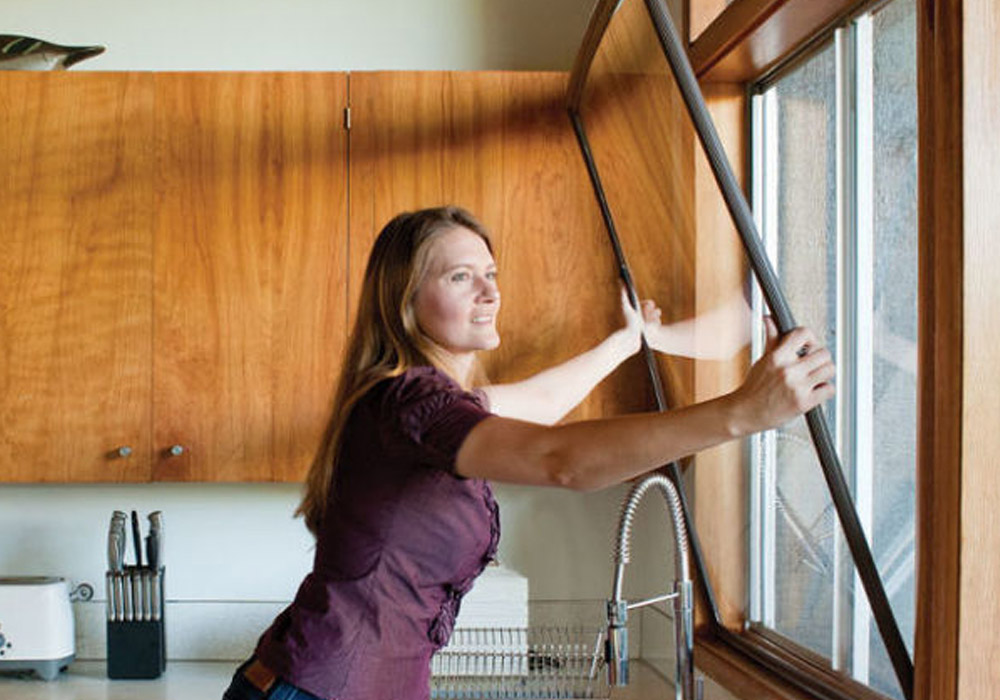
Window inserts offer a practical fix without the cost or mess of full replacement. This article walks through how they block heat, cut cooling costs, protect furniture, reduce noise, and fit into almost any home.
How Window Inserts Block Radiant Heat Gain
Low-E glass is central to how window inserts handle summer heat. A microscopically thin metallic coating reflects much of the incoming solar radiation before it reaches the glass surface. Instead of soaking up heat and radiating it into the room, the coated pane bounces much of that energy back outside, keeping interior surfaces noticeably cooler through the hottest part of the day.
Trapped air between two panes acts as a buffer that slows heat transfer far more than a single sheet of glass ever could. According to a window specialist at Climate Seal, that buffer can lower the inner pane’s surface temperature by several degrees compared to an uninsulated window, which means less strain on the air conditioner and a noticeably cooler room.
Single-pane windows offer almost no resistance to conduction, letting heat pass through with ease during peak summer months. Inserts change that equation by adding a second barrier and a pocket of insulating air, cutting conductive heat flow well below what a single pane allows. Homes with older single-pane windows often notice the difference within the first few scorching afternoons after installation.
Rooms fitted with window inserts tend to stay several degrees cooler than rooms with untreated windows during peak afternoon hours, when the sun hits west-facing glass directly. That gap becomes especially noticeable in homes without much shade, where untreated windows can turn a living room into the warmest spot in the house by mid-afternoon.
Reducing Air Conditioning Costs Through Insulation
Air conditioners work hardest when heat keeps sneaking back into a room, forcing the compressor to switch on and off more often than it should. Window inserts reduce that cycling by keeping outside heat from creeping through the glass in the first place. A calmer compressor uses less energy per hour and faces less wear over a long cooling season.
Homeowners who add window inserts often see their summer electricity bills drop within the first billing cycle. Savings vary by house size and local rates, but many people report noticeably lower cooling costs once the inserts are in place. Smaller AC loads add up fast, especially in homes that run air conditioning nearly nonstop through July and August.
Full window replacement can take years to pay for itself through energy savings alone, and the upfront cost keeps many homeowners from even considering it. Window inserts flip that math. Because they cost a fraction of new windows, the energy savings they generate can cover the purchase price in a much shorter stretch of time, sometimes within a single cooling season.
Savings differ depending on where a home sits on the map. Desert regions with long stretches of triple-digit heat tend to see the biggest drop in cooling costs, while milder coastal climates notice smaller but still worthwhile gains. Local utility rates play a role too, so two houses with identical inserts can end up with very different savings.
UV Protection for Furniture and Flooring
Sunlight does more than heat up a room; it slowly breaks down the color in fabric, wood, and flooring. Furniture near south-facing or west-facing windows often fades years before the rest of a room shows any wear. Window inserts add a layer that cuts down on the ultraviolet light responsible for most of that damage, protecting upholstery and hardwood alike.
Many window inserts include coatings that block a large share of incoming UV rays, often somewhere in the range of 90 to 99 percent depending on the product. That kind of blocking power makes a real difference over months and years, since even small amounts of UV exposure add up when a window faces direct sun for hours every day.
Replacing a faded sofa or refinishing sun-damaged flooring costs far more than most people expect. Protecting those surfaces from the start avoids that expense altogether. Homeowners who install window inserts early, before fading sets in, tend to keep their furniture and floors looking newer for much longer.
Curtains and blinds block light when they’re closed, but they do nothing once someone opens them to let sunlight into the room. Window inserts protect against UV exposure around the clock, whether the blinds are up or down. That constant layer of protection makes inserts a stronger long-term option for anyone trying to keep a room looking its best.
Noise Reduction as a Bonus Summer Benefit
Summer brings open windows, running lawnmowers, and neighborhood traffic, all of which can turn a quiet home into a noisy one almost overnight. Window inserts add a second layer of glass and an air gap that muffles much of that outside sound. Rooms facing the street or backyard often feel noticeably calmer once you install the inserts.
Depending on the product and installation, window inserts can cut outside noise by roughly 25 to 50 percent, measured in decibels. That range covers everything from a modest drop that takes the edge off traffic sounds to a much bigger change that makes a busy street feel almost silent from inside the house.
Homes near highways, bus routes, or busy intersections benefit the most from the noise reduction that inserts provide. Constant traffic hum can wear on people over time, even when they’ve grown used to it. Cutting that background noise down makes a home feel calmer and more livable, especially during peak traffic times.
Summer often means keeping windows cracked open for fresh air, which usually lets outside noise pour straight in along with the breeze. Inserts allow homeowners to keep windows shut while still relying on ventilation systems or fans, cutting down on noise without giving up comfort. That trade-off matters most during the warmest stretches of the year, when open windows are most tempting.
Conclusion
Hot summer weather puts real strain on windows, air conditioners, and the furniture sitting near the glass. Window inserts address all three at once, cutting heat gain, protecting against UV damage, and even reducing outside noise along the way.
With their low cost, easy installation, and reusability, inserts stand out as one of the more practical upgrades available to homeowners and renters alike this summer.