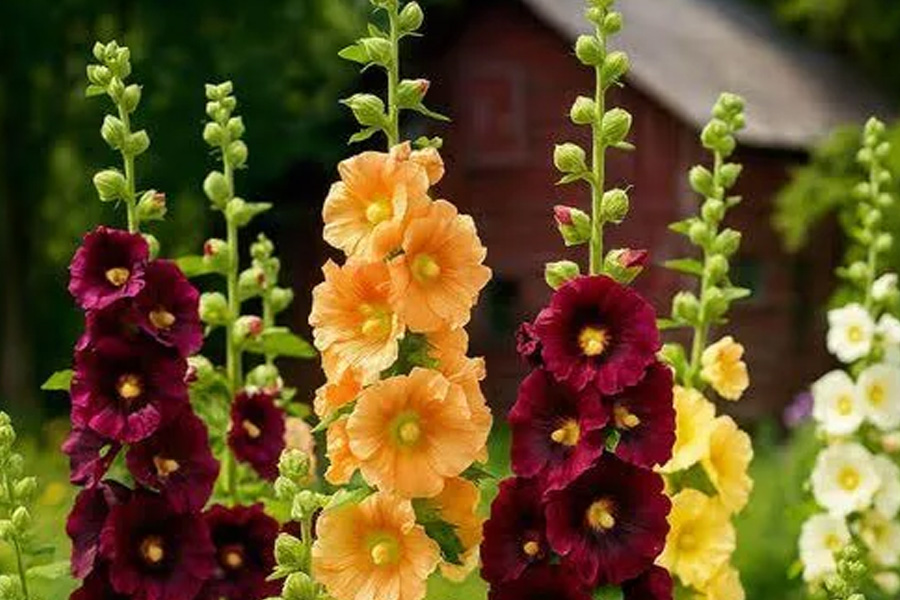
10 Best Plants to Grow in Your Home GardenStarting a home garden is one of the most rewarding ways to connect with nature, save on groceries, and enjoy peak-flavor produce straight from your yard. Whether you are cultivating spacious backyard raised beds or setting up containers on a sunny patio, selecting the right crops makes all the difference. Building a healthy foundation with nutrient-rich soil amendments, such as organic compost in Murray, ensures your plants get the essential minerals and structure needed for maximum yield.
Here are the ten best plants to grow in your home garden, chosen for their reliability, impressive productivity, and beginner-friendly care.
1. Tomatoes
No home garden feels complete without tomatoes. From sweet cherry varieties to classic beefsteaks, tomatoes thrive in warm, sunny locations receiving six to eight hours of direct sunlight daily. For maximum root development, bury tomato stems deeply when transplanting. Supporting vines with sturdy stakes or cages keeps heavy fruit off the ground and improves airflow, reducing disease risks.
2. Leafy Lettuce
Lettuce is among the fastest and easiest crops to cultivate. It flourishes in cooler spring or autumn temperatures and can tolerate light shade. By utilizing the “cut-and-come-again” harvest method—snipping off outer leaves while leaving the growing crown intact—you can enjoy a continuous supply of crisp salad greens for weeks on end.
3. Zucchini and Summer Squash
If you want a crop that offers bountiful yields with minimal fuss, zucchini is the ultimate garden overachiever. A single plant positioned in rich, well-draining soil and full sun can produce more squash than a typical household needs. Harvest squashes when they are six to eight inches long for optimum flavor and tender texture.
4. Radishes
Radishes are the ideal crop for gardeners looking for quick results. Some fast-growing varieties mature in as little as 25 days from seed. Because they require very little space, radishes excel in container setups or tucked into unused gaps between slower-growing crops.
5. Sweet Bell Peppers
Peppers add vibrant color, crunch, and nutritional value to summer harvests. They love heat and plenty of direct sun. With consistent moisture and balanced feeding, bell pepper plants yield abundant sweet fruits that transition from deep green to rich shades of red, yellow, or orange.
6. Carrots
Carrots offer the sweet reward of fresh, crisp root crops. They require loose, light, well-draining soil free of rocks or compacted clay so the taproots can expand without bending or splitting. Thinning young seedlings early gives every root adequate elbow room to develop straight and plump.
7. Green Beans
Available in compact bush types or climbing pole varieties, green beans are resilient and productive. Pole beans efficiently maximize vertical space when trained onto trellises. As a bonus, bean plants fixedly enrich the surrounding soil with nitrogen, benefiting nearby companion crops.
8. Basil
Basil is an essential culinary herb and an outstanding companion plant in vegetable beds. It thrives in warm weather and prefers consistent, moderate watering. Regularly pinching off leaf tips prevents early flowering, keeping the plant bushy, lush, and full of fragrant foliage.
9. Cucumbers
Cucumbers grow rapidly during warm summer days, producing refreshing fruits for salads or pickling. Training cucumber vines upward along a vertical trellis saves ground space, keeps the harvest clean, and improves air circulation around the leaves.
10. Marigolds
While traditionally grown as ornamental flowers, marigolds are invaluable assets in functional vegetable gardens. Their cheerful yellow and orange blossoms draw beneficial pollinators while naturally repelling common garden pests. Planting a border of marigolds creates a colorful, protective perimeter around your edible crops.
Essential Care Tips for Long-Term Success
- Prioritize Soil Health: Enrich your beds with compost and organic matter before planting to foster strong root systems.
- Water Mindfully: Water deeply and infrequently during early morning hours rather than giving light daily sprinkles. This encourages roots to grow deep into the soil, building heat tolerance.
- Apply Mulch: A two- to three-inch layer of organic mulch retains soil moisture, regulates root temperature, and keeps weeds under control.
Cultivating a flourishing garden does not require decades of experience—just thoughtful plant choices, healthy soil, and consistent care. By starting with these ten reliable favorites, you can build a productive garden that brings fresh flavor to your table all season long.