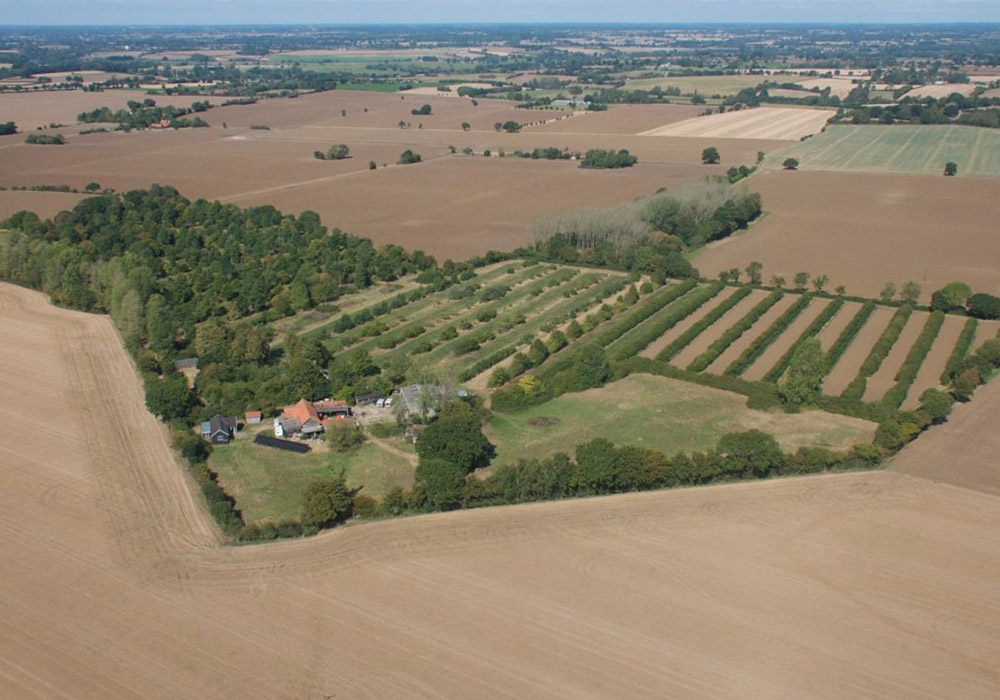
Tree farms grow, harvest, and maintain plants for landscaping projects that require mature specimens. These farms provide a controlled growing environment where professionals monitor plant health and prepare specimens for relocation. Here are a few ways a tree farm supports healthy landscape development:
Healthy Tree Cultivation
A tree farm grows plants suited to regional weather and local soil conditions. Regional varieties provide a strong selection of plants for hot summers and cold winters. When growers use native soil, roots adapt to local conditions and absorb nutrients more efficiently.
Arborists monitor plant health and prune roots early, which helps plants develop stronger root systems before relocation. Mature trees become accustomed to the regional environment, and they transition into residential yards with less disruption to established growth patterns, notes Clockwork Eastvale Management. Local cultivation supports healthy plants, and newly planted trees add to the surrounding landscape as they continue to grow.
Yard Space Assessment
Tree specialists assess the yard before installers begin digging. During the selection process, specialists review soil conditions, sunlight patterns, drainage, and available space to match each tree with its surroundings. They also account for the mature size of the tree, including the space required for its canopy and root system. Site assessments also help crews plan safe routes for heavy delivery equipment. Delivery crews measure gate openings and check for overhead utility lines, while also protecting existing turf from unnecessary damage. The installation team uses the yard’s dimensions to plan equipment access and position the tree correctly. A thorough site evaluation also matches the tree’s growth habits with the drainage and spacing conditions of its new location. These measurements help installers place the root system where it has access to available water and nutrients. Proper tree selection and placement reduce transplant stress; suitable growing conditions support deeper root establishment.
Tree Crown Cleaning
Arborists perform crown cleaning to remove diseased, dead, and weakened branches from the upper canopy. This maintenance process clears compromised wood, which limits the spread of decay to the trunk and surrounding branches. Crown cleaning also removes crowded limbs, allowing more sunlight and fresh air to reach healthy parts of the tree. Better airflow through the canopy reduces the amount of dense foliage that blocks wind movement.
Strong winds put pressure on weak or dead branches, while an open canopy allows air to move through the upper branches more easily. Removing hazardous limbs also reduces the amount of falling debris around the property. A balanced canopy supports more even growth, and selective pruning prevents one side of the tree from becoming overly dense or heavy. Removing crowded and declining branches also directs water and nutrients toward healthier tissue. The tree then uses fewer resources to maintain damaged growth, leaving more energy available for new shoots and foliage during the growing season.
Seasonal Mulch Application
Mulch helps regulate soil temperature, giving tree roots a more stable environment as seasons change. A consistent mulch layer also slows evaporation from the soil surface, helping retain moisture during hot and dry periods. When the soil holds moisture longer, roots have more consistent access to water between rainfall and irrigation.
Adequate soil moisture also supports the canopy during periods of extreme heat, reducing stress that contributes to premature leaf drop. As organic mulch breaks down, it adds organic matter to the soil and supports long-term soil quality. Arborists also rake and loosen compacted mulch to improve airflow through the upper soil layer.
A loose mulch layer allows rainwater to move through the soil rather than collecting on the surface. Regular maintenance keeps mulch from becoming too thick, compacted, or uneven around the tree. These tasks help maintain an effective mulch layer around trees:
- Removing weeds that compete for water and nutrients
- Fluffing compacted bark to improve airflow and water movement
- Removing old mulch that has broken down or accumulated excessively
Tree Removal and Cleanup
Tree removal addresses trees that are dead, damaged, or creating hazards on a property. Trained tree care professionals use rigging equipment to control branches and sections of the trunk as they are lowered, helping limit damage to surrounding areas. After the tree is removed, crews clear the resulting branches and other debris from the property. Stump grinding also removes remaining stumps from the landscape, including larger stumps in difficult locations. These services leave the area clear and ready for future landscaping work.
Work With Tree Farm Experts