Key Takeaways
- Small leaks can cause major damage when they remain hidden.
- Sinks, toilets, appliance hoses, water heaters, and outdoor faucets need regular checks.
- Every adult in the home should know where the main water shut-off valve is located.
- Leak sensors and automatic shut-off devices can provide extra protection.
- Seasonal maintenance helps reduce risks from freezing temperatures, storms, and travel.
- Persistent, hidden, or fast-moving leaks require professional attention.
Most household plumbing problems begin quietly. A slow drip under a sink, a worn washer hose, or a damp spot near a toilet can become damaged flooring, swollen cabinets, mold growth, and costly cleanup when it goes unnoticed. Building a few simple inspection habits can prevent many of those problems. Homeowners who want help identifying recurring leaks, corroded connections, or hard-to-reach shut-off valves can contact Twin Cities Premier Plumbing for professional plumbing support. The most important step, however, is noticing moisture early and acting before it spreads.
Why Plumbing Leaks Matter
Water follows gravity and can travel behind walls, beneath flooring, and through insulation before it becomes visible, highlights the Niguel Point Management team. By the time a ceiling stain or musty odor appears, the original leak may have been active for days or longer. Fast detection limits damage, reduces disruption, and gives materials a better chance to dry properly.
Common Places Household Leaks Begin
Focus inspections on locations where water connections, moving parts, and aging seals are common:
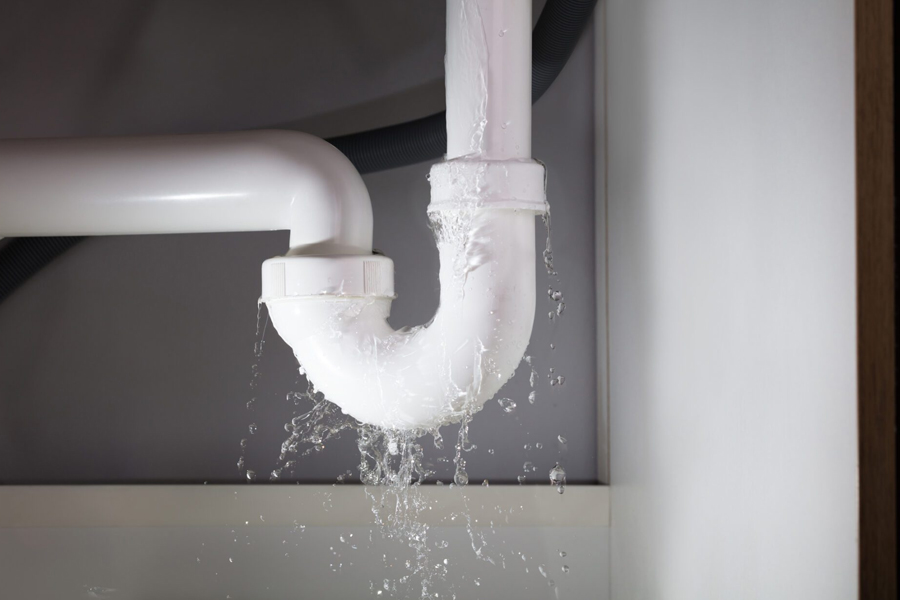
- Under sinks: Check supply lines, shut-off valves, drain traps, and cabinet floors.
- Toilets: Look for a rocking base, soft flooring, moisture after flushing, or tank condensation.
- Faucets: Watch for dripping spouts, wet handles, and water collecting beneath the fixture.
- Water heaters: Inspect the surrounding floor, drain valve, fittings, and pressure relief discharge area.
- Appliance connections: Check washing machines, dishwashers, refrigerators, and ice makers for damp hoses or loose fittings.
- Outdoor faucets: Look for drips, cracked fittings, and exposed piping before cold weather arrives.
A Simple Monthly Leak Check
A 10-minute monthly walkthrough is often enough to find early warning signs. Run each faucet and look below the sink while water is flowing. Flush toilets and inspect around their bases. Check visible pipes for rust, mineral buildup, and persistent condensation. Look for stains, peeling paint, swollen wood, soft flooring, or musty smells in bathrooms, kitchens, laundry rooms, basements, and utility areas. When all fixtures and appliances are off, review the water meter for unexpected movement. Keep a short note of anything unusual so changes are easier to spot over time. A practical household leak prevention guide can also help organize routine maintenance tasks.
How To Protect Water-Using Appliances
Appliances can release a large amount of water quickly if a hose or connection fails. Replace worn washing machine hoses before they crack or bulge, and keep laundry and utility areas uncluttered so a leak is visible. Use an appropriate drain pan beneath equipment when possible, follow the manufacturer’s instructions for replacement parts, and consider closing the appliance supply valves before extended travel.
Signs Of A Hidden Plumbing Leak
Not every leak creates a puddle. Warning signs include an unexplained increase in the water bill, the sound of running water when fixtures are off, bubbling drywall, water stains, a persistent musty odor, warped baseboards, or mold-like growth near plumbing. Do not simply paint over a stain. Find and correct the moisture source first, then repair affected materials after they are fully dry.
How To Use The Main Water Shut-Off Valve
Locate the main shut-off valve before an emergency. It is often near the water entry point, in a basement, a utility room, a crawl space, or a mechanical area. Keep access clear, and make sure household members know how to operate it. During a serious leak, turn the valve slowly, open a nearby faucet to relieve pressure, and place towels or containers around the affected area. If the valve is stuck, damaged, or difficult to identify, arrange service before an emergency occurs.
Smart Tools That Can Help Prevent Water Damage
Technology can add useful protection, especially for vacant homes or hard-to-monitor spaces. Place battery-powered leak sensors beneath sinks, beside water heaters, and near washing machines. Whole-home monitors may flag unusual water use, while automatic shut-off devices can stop water flow after detecting certain problems. Test sensors regularly, replace batteries on schedule, and respond promptly to alerts.
Seasonal Plumbing Care For 2026
Before Cold Weather
Insulate exposed pipes in garages, crawl spaces, and other unheated areas. Disconnect outdoor hoses, protect vulnerable faucets, and keep garage doors closed when plumbing runs through the space.
Before Storm Season And Travel
Test the sump pump, clear gutters and downspouts, and inspect basement drains. Before a long trip, check for active drips, consider turning off appliance valves, and ask a trusted person to check the home if it will be vacant for an extended period.
What To Do When A Leak Starts
- Stop the water at the fixture valve or main shut-off valve if it is safe.
- Keep water away from outlets, electrical devices, and appliances.
- Move valuables away from the wet area and photograph damage when practical.
- Remove standing water, increase airflow, and monitor nearby walls and floors.
- Call for help if water is spreading, the source is hidden, or the leak continues.
Insurance coverage can depend on the cause of the damage, maintenance history, timing, and policy language.
When To Call A Plumbing Professional
Professional help is appropriate when water is coming through ceilings, walls, or floors, when leaks return after a simple repair, when pipes show heavy corrosion, or when water pressure changes suddenly. Avoid cutting into walls or flooring without a clear plan for locating the source. A prompt inspection is safer than allowing hidden moisture to continue damaging the home.
Common Questions About Plumbing Leaks
How Often Should A Homeowner Check For Leaks?
Perform a quick visual inspection every month, and check high-risk areas more often in older homes or during freezing weather.
Is A Small Drip Really Serious?
Yes. A small drip can damage nearby materials and may indicate a failing seal, valve, hose, or connection.
What Is The First Step After A Pipe Bursts?
Stop the water supply if it is safe, protect people from electrical hazards, and then begin cleanup and contact a qualified professional.
Conclusion
Leak prevention is built on small, consistent habits. Regular inspections, seasonal preparation, accessible shut-off valves, and timely repairs can help protect your home from avoidable water damage throughout 2026. Check faucets, supply lines, toilets, appliances, ceilings, and exposed pipes for signs of moisture, corrosion, or unusual changes in water pressure. Pay extra attention after severe weather or when returning from an extended trip. Replacing worn washers, hoses, seals, and connections before they fail can prevent larger repairs later. It is also helpful to know where the main water shut-off valve is located and make sure household members can access it quickly during an emergency. Keeping drains clear and monitoring your water bill for unexplained increases can provide additional warning signs. A simple maintenance routine can reduce surprises, protect fixtures and finishes, and help keep your home dry and comfortable year-round.