Health problems can happen to pretty much anyone, and seeing small changes in your body early can help you get the right care. Some issues are minor; they sort of settle down with simple self-care, but others may need a real healthcare professional involved. Learning how to notice odd symptoms, taking care of your body in day-to-day ways, and asking for help when needed are all key parts of staying healthy.
Pay Attention to Changes in Your Body
Your body sometimes gives you hints that something is not quite right. These hints can include pain, swelling, a heavy, tired feeling, changes in appetite, or trouble with sleep. Try to pay attention when a symptom is brand new, keeps returning, or starts to get worse, even a little.
Keeping a quick note about symptoms can also help you describe what’s going on more clearly when you talk with a healthcare professional. Don’t just brush off symptoms because they seem not serious at first; it’s better to be safe.
Understand the Possible Causes of Pain
Pain can come from many different sources. For instance, you might ask why do hemorrhoids hurt when you feel discomfort, itching, swelling, or pain near the rectal area. Hemorrhoids are swollen veins, and irritation or even a blood clot in an external hemorrhoid can cause significant discomfort.
If the pain is severe, lasts for a long time, or comes along with heavy bleeding, then you should seek medical advice. Don’t try to figure it out on your own, especially if it feels intense or keeps worsening.
Take Care of Your Oral Health
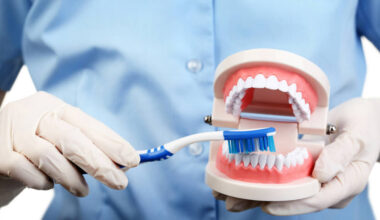
Your mouth is a pretty big deal for your whole health, in a way. Like, brushing your teeth twice a day, cleaning between your teeth, and going to the dentist on a regular schedule can help prevent many dental issues before they get worse.
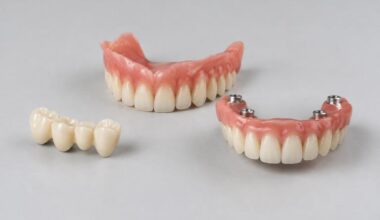
If you have missing teeth, your dentist might discuss options such as dental implants. These are man-made tooth roots that can hold replacement teeth in place. They can assess your oral health, ask about your individual needs, and decide whether this route is a good fit.
Do Not Ignore Persistent Symptoms
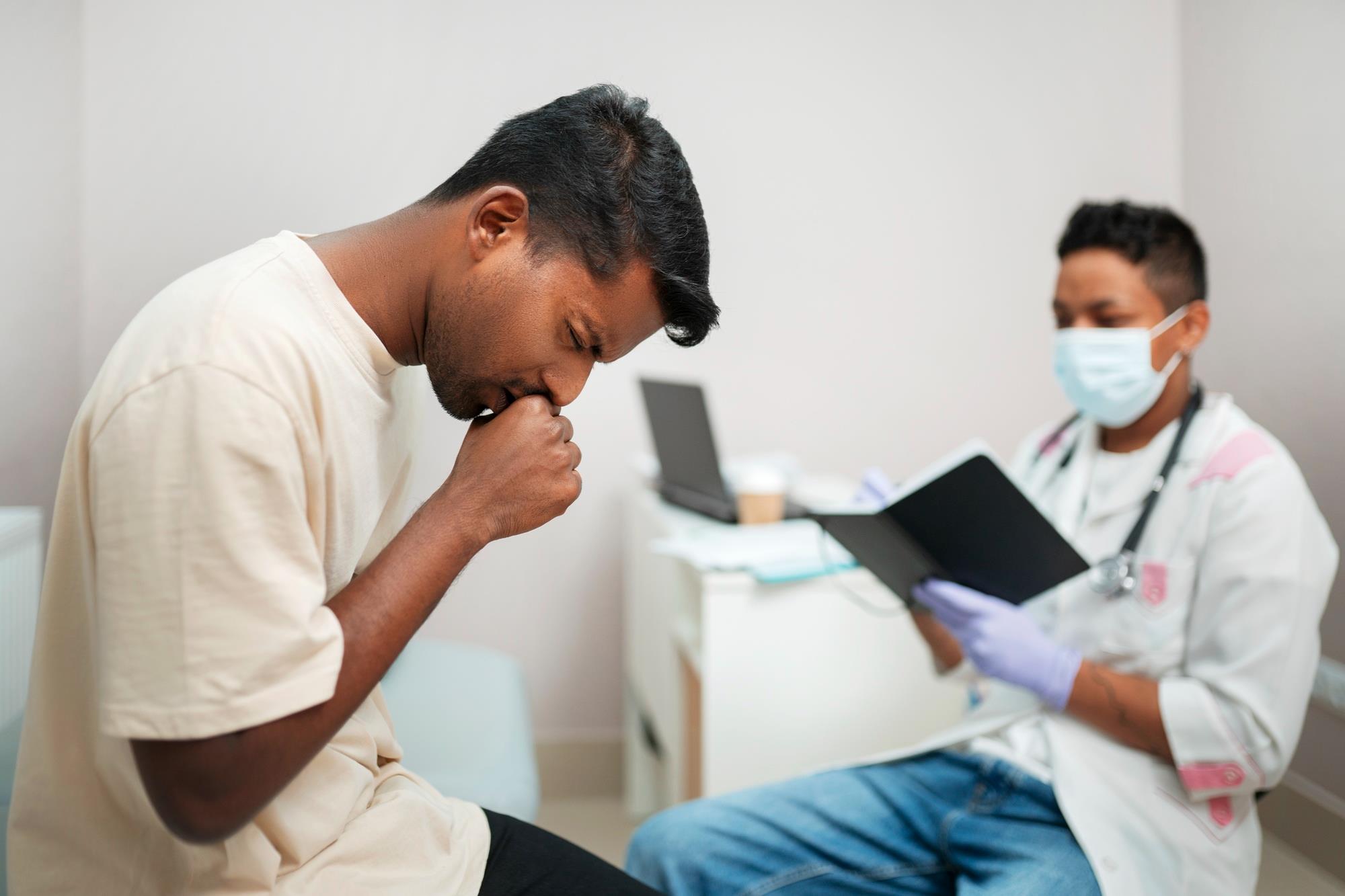
Some issues get better fast, sure, but if symptoms keep showing up, or don’t really go away, you should take it seriously. Ongoing pain, weird swelling, repeated digestive problems, or changes in your body that you can’t explain may need a professional check.
And instead of relying only on what you read online, it’s better to talk with a qualified healthcare professional. They can examine you directly and suggest guidance based on what’s actually going on.
Follow a Healthy Lifestyle
Good habits each day can support your body and may help reduce the risk of certain health problems. Aim for a balanced diet with fruits, vegetables, whole grains, and solid protein sources. Drink enough water and stay physically active too.
Get enough sleep and manage stress. Those are not small things. When you repeat these simple habits, they can quietly change how you feel overall.