Key Takeaways
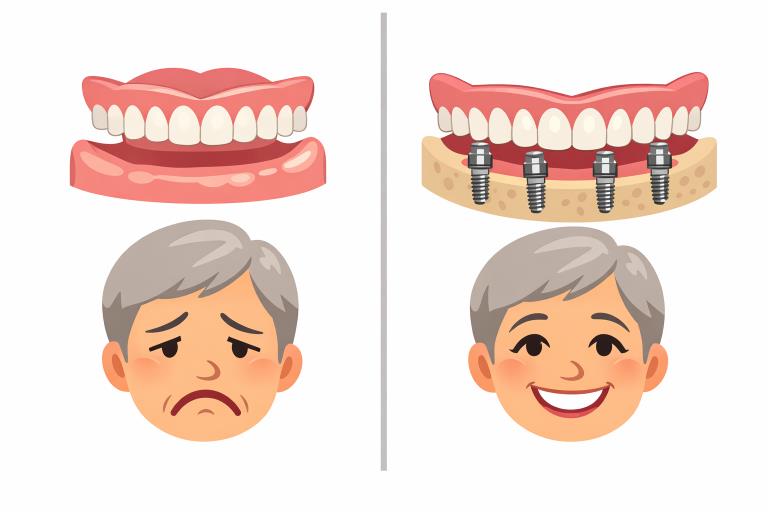
- Dental implants provide a secure foundation for dentures, preventing slippage and discomfort.
- Implant-supported dentures improve chewing efficiency and speech clarity.
- They help preserve jawbone density, maintaining facial structure over time.
- Proper care and maintenance of implant-supported dentures ensure long-term success.
Dealing with loose dentures can seriously impact your daily routine and quality of life. Many people who wear dentures struggle with slippage, discomfort, and embarrassment in social situations. Thankfully, dental implants offer a secure and lasting fix, making them an excellent choice for anyone experiencing loose dentures. With the right solution, you can restore not just your smile, but your confidence and ability to enjoy your favorite foods again.
Implant-supported dentures are designed to address the common problems that come with traditional dentures. By attaching directly to the jaw, implants prevent movement and improve overall comfort. This stable foundation helps you regain a sense of normalcy, allowing you to speak, eat, and laugh without worry. For those frustrated with denture adhesives or ill-fitting dentures, dental implants can be a life-changing option.
Understanding Loose Dentures
Traditional dentures rest on the gums, relying on suction or adhesives to remain in place. Over time, natural changes occur in the jawbone and gum tissue, leading to a less secure fit. The resulting movement can cause sore spots, make eating a challenge, and lead to speech problems. For many, the anxiety over their dentures slipping can overshadow even simple interactions, reinforcing feelings of self-consciousness.
It is common for those with conventional dentures to notice a gradual increase in instability. As bone and tissue recede, dentures may need frequent adjustments or relining. In some cases, the use of adhesives becomes a daily necessity, but this is often a temporary solution that never truly resolves the underlying issue.
Treating the cause of loose dentures requires a solution that addresses bone loss and provides real support for new teeth. This is exactly where dental implants excel, offering stability that truly restores comfort and function. For a deeper look at how bone loss affects dentures, authoritative resources such as the Mayo Clinic offer helpful insights.
How Dental Implants Provide Stability
Dental implants are small titanium posts surgically placed in the jawbone to act as artificial tooth roots. Through a process called osseointegration, the implant fuses with the natural bone, forming a reliable anchor point. Dentures can then attach to these anchors, effectively locking them in place.
This approach prevents the shifting and slipping commonly associated with traditional dentures. Unlike adhesives or pastes that wear down over the day, implants ensure that your denture remains secure regardless of what you eat or how you speak. Many patients report that implant-supported dentures feel much more like their natural teeth.
Benefits of Implant-Supported Dentures
- Enhanced Comfort:Implants remove the need for adhesives and minimize gum irritation, making day-to-day wear much more comfortable.
- Improved Chewing Efficiency:Eating becomes easier and more enjoyable, and you can confidently consume a wider variety of foods knowing your dentures will not slip.
- Jawbone Preservation:By stimulating the bone, implants slow or stop the bone loss that occurs when teeth are missing, helping to preserve facial structure and appearance.
- Boosted Confidence:With secure dentures, you can speak and smile freely, without the fear of an unexpected denture mishap in public.
For a practical and detailed comparison between traditional and implant-supported dentures, the Healthline resource offers clear and concise explanations.
The Implant Procedure: What to Expect
The process of receiving implant-supported dentures typically happens in several stages:
- Consultation:Your dentist will examine your mouth, review your health history, and take diagnostic images to evaluate your bone quality and determine if you are a candidate for implants.
- Implant Placement:The dental surgeon will insert the titanium implants into the jawbone during a minor surgical procedure performed under local or general anesthesia, depending on your needs.
- Healing Period:Over the next few months, the implant fuses with the jawbone through osseointegration, creating a sturdy base for the denture.
- Denture Attachment:After healing, your dentist will fit custom dentures and securely attach them to the implants, finalizing your new smile.
The entire procedure from initial consultation to the attachment of dentures can span several months, but promises long-term satisfaction and reliability.
Caring for Implant-Supported Dentures
Maintaining your implant-supported dentures is essential for their durability. Even though implants do not decay like natural teeth, they require consistent oral hygiene. Brushing, flossing, and regular dental visits help prevent gum disease and ensure the surrounding bone and soft tissue stay healthy.
Your dentist will recommend specific cleaning techniques and tools, such as special brushes or water flossers designed for implants. Periodic check-ups will allow your dental team to monitor the implants and address any issues early, maximizing their lifespan and function.
Is Implant-Supported Dentures Right for You?
If you are struggling with recurring discomfort, loose dentures, or difficulty eating and speaking, implant-supported dentures could be an excellent solution. Candidates typically need to have adequate jawbone density and be in good overall health for the procedure. A dental professional will evaluate your situation and help you determine whether implants are the right choice.
Many patients discover that the investment in implants pays off through improved quality of life and restored functionality. Since everyone’s oral health needs are unique, consulting with an experienced provider is essential for the best outcomes.
Conclusion
Dental implants represent a transformative approach for anyone struggling with loose dentures. By offering stability, comfort, and confidence, implant-supported dentures allow you to reclaim your favorite activities and your peace of mind. Consider speaking with a dental specialist to explore how these innovations can enhance your life.