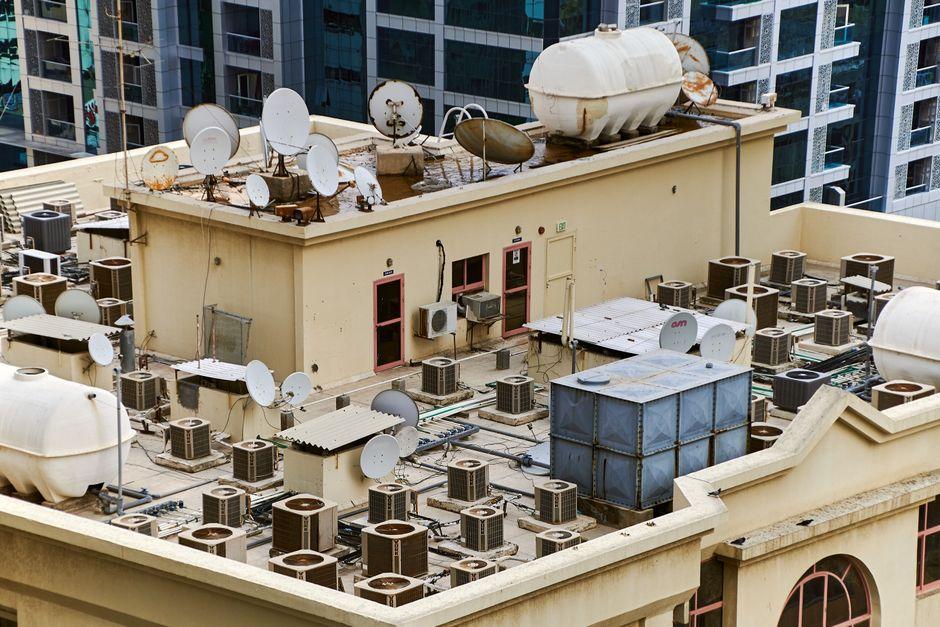
If you manage, own, or work in a commercial building, HVAC probably gets your attention only when something starts rattling, leaking, or turning the office into a sauna. Yet heating, cooling, and ventilation shape comfort, energy bills, indoor air quality, and even how productive people feel during the day. A smart approach helps you avoid surprise breakdowns, control costs, and keep your building running like a place people actually want to spend time in.
Why HVAC Matters More in Commercial Buildings
A commercial HVAC system has a tougher job than the setup in your house. It deals with larger spaces, heavier occupancy, more complicated zoning, and longer operating hours. One weak component can affect an entire floor, not just one room.
You also have more at stake. If your retail store feels stuffy, customers leave faster. If your office swings from freezing conference rooms to overheated hallways, complaints pile up. In restaurants, medical offices, and warehouses, temperature and air quality issues can disrupt operations in very real ways.
Comfort is only part of the equation. HVAC is usually one of the biggest energy users in a commercial property. That means every maintenance decision, equipment upgrade, and thermostat setting has a direct effect on your monthly costs. Ignore it, and your budget gets hit by a very expensive gust of air.
Routine Maintenance Saves More Than It Costs
Preventive maintenance sounds less exciting than replacing a giant rooftop unit, but it usually delivers better value. Scheduled service keeps components clean, catches worn parts early, and helps the system perform closer to its intended efficiency.
A solid maintenance plan usually includes:
– Replacing or cleaning air filters
– Inspecting belts, motors, and electrical connections
– Checking refrigerant levels and coil condition
– Testing thermostats and control systems
– Clearing drain lines and condensate pans
– Reviewing airflow and duct performance
If your building relies on aging equipment or has high occupancy, regular inspections matter even more. A neglected unit has a talent for breaking down during the hottest or coldest week of the year, almost as if it enjoys irony.
When evaluating support options, it helps to understand what commercial HVAC services typically include, from inspections and repairs to system optimization for larger buildings.
The Warning Signs You Shouldn’t Brush Off
Commercial systems rarely fail out of nowhere. They usually send signals first, though they’re not always dramatic. Sometimes the clue is as simple as one part of the building feeling noticeably warmer than another.
Watch for signs like these:
– Uneven temperatures between rooms or floors
– Rising utility bills without a clear explanation
– Strange noises such as banging, hissing, or grinding
– Weak airflow from vents
– Excess humidity or stale indoor air
– Frequent cycling on and off
– Complaints from employees, tenants, or customers
These issues often point to clogged filters, failing motors, refrigerant problems, duct leaks, or control system malfunctions. None of those improve with wishful thinking. Small inefficiencies tend to stack up quietly until you’re facing downtime, emergency repair costs, and a building full of annoyed people.
Energy Efficiency Isn’t Just About New Equipment
You don’t always need a full system replacement to cut HVAC costs. In many buildings, waste comes from poor controls, dirty components, air leaks, or outdated scheduling rather than catastrophic equipment failure.
Start with the basics. Make sure thermostats are calibrated correctly and programmed around actual building use. There’s no reason to cool empty meeting rooms at 9 p.m. unless your office chairs are working overtime. Sealing duct leaks and improving insulation can also reduce strain on the system.
Other efficiency upgrades worth considering include:
– Smart building controls
– Variable frequency drives for fans and pumps
– Economizers that use outdoor air when conditions allow
– Zoning improvements
– Higher-efficiency filters matched to system capacity
If your equipment is more than 15 to 20 years old, compare repair history and energy use against replacement costs. Sometimes the most expensive unit is the one you keep patching. Businesses can also review their electricity costs alongside HVAC performance to identify additional opportunities for savings. Comparing commercial energy plans may help companies choose an option that better matches their building’s operating schedule and energy needs.
Indoor Air Quality Has Become a Bigger Deal
People notice indoor air quality faster than many building owners expect. Headaches, odors, humidity issues, dust buildup, and that heavy “closed building” feeling can all affect how a space performs. In shared environments, poor air quality can also increase concerns about health and cleanliness.
Ventilation plays a huge role here. Your system needs to move and filter air effectively while maintaining comfortable temperature and humidity levels. That balance is not always easy, especially in older buildings or spaces with changing occupancy.
You should pay close attention if your building includes:
– Conference-heavy office layouts
– Gyms or fitness spaces
– Restaurants or kitchens
– Healthcare or dental facilities
– Schools, daycare centers, or training rooms
Better filtration, humidity control, regular duct inspections, and properly maintained outdoor air systems can make a measurable difference. Good air quality doesn’t just feel better. It supports concentration, reduces complaints, and helps the building function like a professional environment instead of a sealed box with Wi-Fi.
Repairs, Retrofits, or Replacement: How to Decide
At some point, every building owner has to answer the same annoying question: fix it again, or move on? The right answer depends on age, repair frequency, energy performance, and how critical the system is to your operations.
Repairs often make sense when the issue is isolated and the rest of the system is in decent shape. Retrofits can be useful if your equipment still has life left but your controls, sensors, or efficiency features are outdated. Full replacement becomes more attractive when breakdowns are becoming routine and energy costs keep creeping upward.
Ask practical questions:
– How often has the system needed service in the last two years?
– Are replacement parts easy to get?
– Is the equipment still meeting the building’s current needs?
– Are comfort complaints becoming common?
– Would a new system lower operating costs enough to justify the investment?
The goal isn’t chasing the newest gear. It’s choosing the option that makes your building more reliable, efficient, and manageable over time.
Choosing the Right HVAC Partner for a Commercial Property
Commercial HVAC work requires more than basic repair knowledge. You need technicians who understand system design, controls, occupancy demands, code considerations, and how downtime affects business operations. A strip mall, office suite, medical building, and warehouse do not have the same HVAC playbook.
When comparing providers, look for:
– Experience with your building type
– Clear maintenance and service documentation
– Emergency response capability
– Familiarity with energy-saving upgrades
– Transparent pricing and scope explanations
– Strong communication with owners or facility managers
Ask how they approach diagnostics, preventive maintenance, and long-term planning. A good provider won’t just swap parts and disappear. They’ll help you understand recurring issues, prioritize upgrades, and avoid paying for the same problem twice.
If you manage multiple tenants or a customer-facing property, that relationship matters even more. HVAC performance affects comfort, reputation, and lease satisfaction in ways people remember quickly.
A Smarter Long-Term Approach to Building Comfort
The best commercial HVAC strategy is rarely reactive. It’s organized, data-aware, and tied to how your building actually operates. That means tracking service history, paying attention to energy trends, and addressing small issues before they turn into budget-draining emergencies.
You don’t need to become an HVAC engineer to make better decisions. You just need to treat the system like core infrastructure rather than background machinery. Review maintenance schedules. Notice recurring complaints. Budget for upgrades before a failure forces your hand.
A comfortable building supports better work, smoother operations, and lower stress for everyone inside. When your HVAC system is maintained properly, people barely notice it. In commercial property management, that kind of invisibility is almost a superpower.