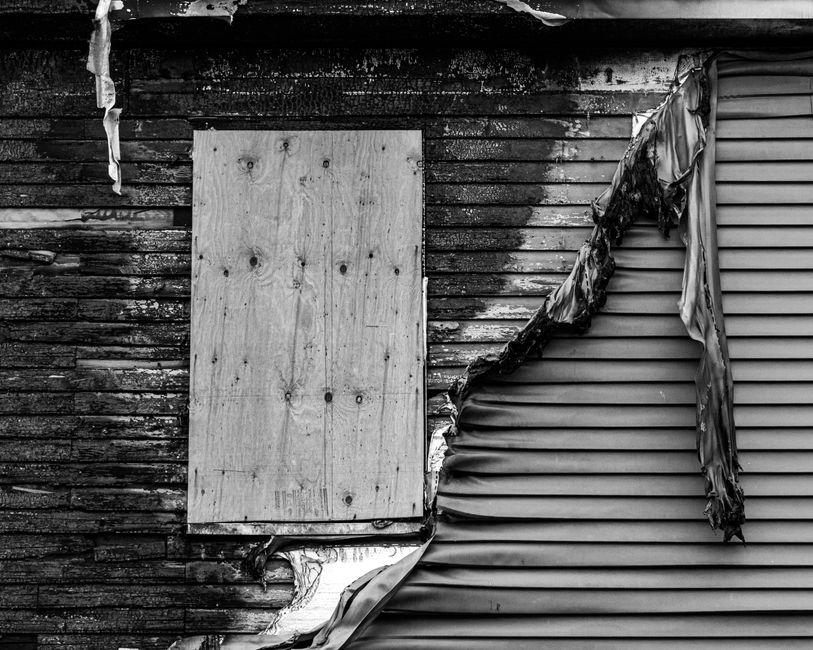
Your siding does more than make your house look put together. It blocks moisture, slows down heat loss, and helps your home handle changing weather conditions throughout the year. Seasonal shifts, from summer heat and humidity to winter freeze-thaw cycles, can gradually take a toll on siding. Knowing what to watch for helps you catch trouble early and make smarter repair decisions.
Small Siding Damage Rarely Stays Small
A crack in one panel can seem harmless. A loose section after a storm might feel like a weekend problem. In reality, damaged siding tends to spread trouble into places you can’t easily see.
Water is the main villain here, and it doesn’t need much space. A tiny gap can let moisture slip behind the surface and reach the sheathing, insulation, or framing. Once that happens, you may be dealing with mold, rot, or warped materials instead of a basic exterior fix.
Wind adds another layer. One lifted edge can catch stronger gusts and pull neighboring panels out of place. It’s a bit like one bad zipper tooth ruining the whole jacket.
If your home is older, even minor siding wear can expose underlying materials that were never meant to stay open to the elements. That turns a maintenance issue into a durability problem pretty quickly.
Why Local Climate Changes the Repair Equation
Climate affects siding more than many homeowners realize. Your home’s exterior may face humidity, heavy rain, hail, freezing temperatures, and intense summer heat throughout the year. These changing conditions can put constant stress on seams, fasteners, and siding materials.
Moisture is a major concern when it comes to siding. When water gets behind siding and temperatures drop, freeze-thaw cycles can widen small gaps and worsen structural wear. Add periods of high humidity, and trapped moisture can linger longer than you’d want.
That local context matters when you’re weighing timelines and repair options. If you’re comparing professional siding repair services, it helps to look for experience with regional weather patterns, not just general exterior work.
A repair that works in a dry climate may not hold up the same way in a place with regular storms and seasonal swings. Materials, installation methods, and inspection habits all need to reflect local conditions.
The Warning Signs You Shouldn’t Ignore
Some siding issues are obvious. Others hide in plain sight, which is annoying but very on-brand for home maintenance.
Keep an eye out for:
– Cracks, holes, or dents in individual panels
– Warping, bubbling, or sections pulling away from the wall
– Faded patches that don’t match the rest of the exterior
– Peeling paint or wallpaper inside near exterior walls
– Higher energy bills with no clear explanation
– Soft spots, mildew, or musty smells near the perimeter of your home
You should also look after major weather events. Hail can bruise siding without creating dramatic holes, and wind-driven rain can expose weak seams.
Inside the house, drafts near walls may point to compromised exterior protection. If your HVAC system suddenly seems to be working overtime, your siding may be part of the reason. Your utility bill often notices problems before you do.
Repair vs. Replacement: How to Think About the Decision
Not every issue calls for full replacement. In many cases, targeted repairs make more sense financially and structurally.
Repairs usually work well when damage is isolated, the material is still in decent shape, and matching panels are available. A few cracked vinyl boards, a loose corner, or minor storm damage often fall into this category.
Replacement becomes more likely when damage is widespread or moisture has reached the layers underneath. If several sides of your house show warping, rot, or repeated failure, patching one section after another can become a money pit with trim.
Age matters too. Siding near the end of its expected lifespan may not hold repairs well. Color matching can also be tricky, especially on faded older exteriors.
The smart move is to evaluate both the visible damage and the hidden risk behind it, not just the panel you can see from the driveway.
What a Good Inspection Should Actually Cover
A useful siding inspection goes beyond pointing at the obvious broken panel. You want a full picture of condition, cause, and likely next steps.
A solid inspection should include:
– Surface damage across all elevations of the home
– Signs of moisture intrusion around seams, windows, and doors
– Condition of trim, flashing, and caulking
– Evidence of movement, buckling, or fastening problems
– Any visible impact on insulation or underlying wall materials
– Notes on whether matching materials are still available
It should also connect the dots. If one side of your home gets the harshest sun or wind exposure, that can explain uneven wear. If downspouts dump water near the wall, siding problems may be partly a drainage issue.
The best assessments don’t just say what is damaged. They show you why it happened and what may happen next if it’s left alone.
Practical Steps That Help You Avoid Bigger Repairs
You can’t make siding maintenance exciting, but you can make it manageable.
Start with a visual check a few times a year, especially after storms. Walk around your house and look for anything loose, warped, or discolored. Use binoculars if needed. No bonus points for wobbling on a ladder.
Keep gutters clear so water doesn’t spill down exterior walls. Trim shrubs and tree branches that rub against siding or trap moisture near the surface. Wash away dirt and mildew before buildup masks more serious issues.
If you spot damage, document it with photos and note when you first noticed it. That helps if the issue worsens or if insurance becomes part of the conversation.
Most importantly, don’t delay when signs point to water intrusion. Siding problems often cost the least when they’re handled early. Wait too long, and the repair may move from the outside wall straight into your budget, your insulation, and your weekend plans.