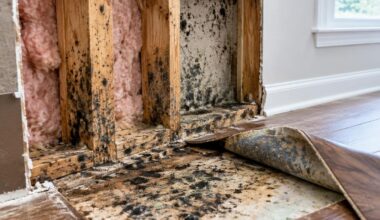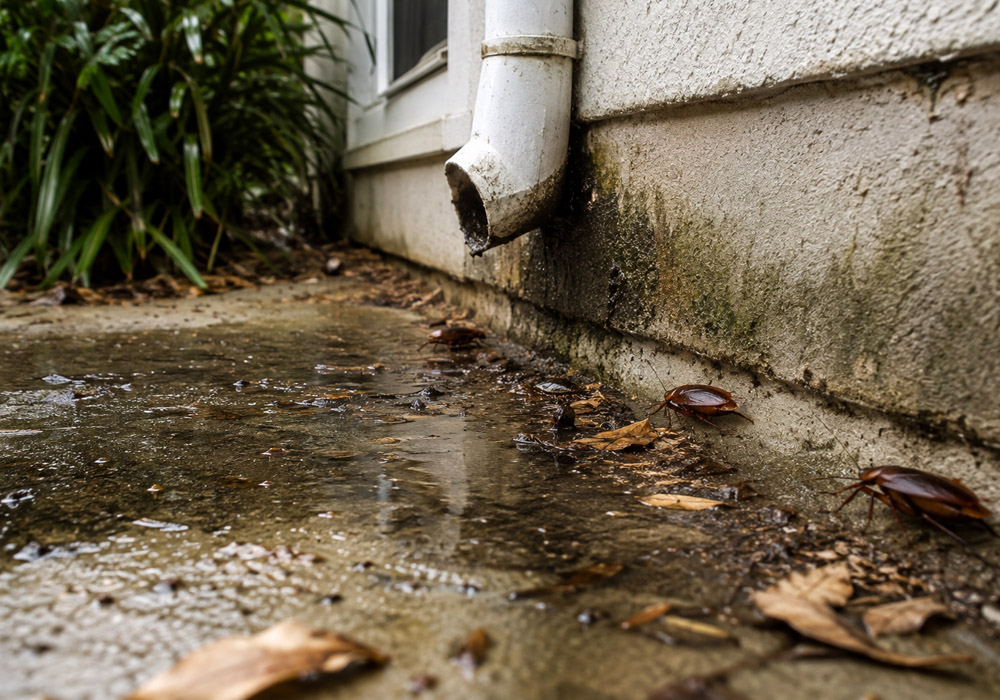
A slow drip beneath a sink or a damp corner in a basement may look like a maintenance problem with no connection to insects, adds Richmond Property Management. Outdoors, clogged drainage, wet soil beside a foundation, or water collecting beneath dense vegetation can seem equally separate from indoor pest activity. Yet moisture changes the conditions pests encounter around a property and may make certain areas more suitable for shelter, feeding, or reproduction.
Water alone does not prove that an infestation exists. The concern grows when persistent moisture combines with accessible food, concealed spaces, damaged materials, or openings into the building. Pest Control assessments may therefore include moisture-related conditions when technicians are trying to understand why activity keeps appearing in a particular part of a house.
Finding the water source can be just as useful as finding the pest. Plumbing, drainage, ventilation, exterior grading, and damaged building materials may all require attention depending on the situation. Agile Pest Control may examine pest evidence associated with these conditions, while repairs to the building itself remain a separate part of correcting the underlying environment.
Small Plumbing Leaks Can Support Hidden Activity
Leaks do not need to create a visible puddle to change conditions inside a home. A loose connection beneath a sink, moisture around a pipe penetration, or a slow appliance leak may keep a cabinet or wall-adjacent space damp for long periods. These locations also tend to be dark and rarely disturbed.
Homeowners can periodically examine accessible plumbing areas for staining, swelling, damp surfaces, or unexplained odors. A cabinet floor that repeatedly feels wet after being dried deserves investigation even if no insects are present at the time. Correcting the leak removes a water source and may also prevent further deterioration of nearby materials.
Pest Control should not be treated as a substitute for plumbing work. If insects are present because an area provides suitable shelter and moisture, treating the activity without repairing the water source leaves one supporting condition unchanged. Separating those two problems leads to clearer maintenance decisions.
Poor Exterior Drainage Changes Conditions Near Foundations
Rainwater should move away from the building instead of remaining concentrated beside exterior walls. When gutters overflow, downspouts discharge poorly, or low areas collect water, soil close to the foundation may stay damp longer than surrounding ground. That moisture may affect both building materials and pest conditions.
The useful warning sign is persistence rather than one wet period after rain. Soil that remains unusually damp, recurring water marks, damaged exterior materials, or moisture appearing inside a nearby basement deserves attention. These observations can reveal drainage problems before residents connect them with pest sightings.
An assessment involving Agile Pest Control may consider where pest evidence appears in relation to damp foundation areas. That connection does not establish that moisture caused the infestation, but it gives technicians useful context. Drainage corrections may then need to be handled alongside any pest-related response.
Damp Wood Deserves Attention for More Than One Reason
Wood exposed to continuing moisture can soften, swell, discolor, or decay. Those changes are maintenance concerns on their own, but damp wood may also create conditions associated with certain wood-infesting insects. Exterior trim, crawl-space components, porch areas, and wood close to plumbing deserve periodic observation.
Termites require moisture, though the exact conditions and behavior vary. This makes persistent dampness relevant when evaluating areas where wooden building materials meet soil or remain poorly ventilated. Termite control decisions should still be based on actual evidence of termite activity rather than moisture alone.
Homeowners should avoid diagnosing damaged wood by appearance. Rot, water damage, and insect activity can produce changes that may be difficult to distinguish without closer assessment. Keeping the area accessible and correcting known moisture sources provides a better response than covering the damage with new finishes.
Crawl Spaces Can Hide Moisture for Long Periods
Crawl spaces are easy to forget because they sit outside normal living areas. Plumbing lines, exposed soil, structural wood, and limited air movement may all exist within a relatively confined space. A leak or drainage problem can therefore continue for some time before signs appear inside the main rooms.
Visible condensation, damp insulation, standing water, staining, or musty odors are reasons to investigate the source. Stored cardboard and other unnecessary materials may further complicate the area by providing shelter and making structural surfaces harder to inspect.
Agile Pest Control may encounter moisture-related conditions while assessing pest evidence in accessible crawl spaces. Pest treatment and moisture correction should still be viewed as separate tasks. One addresses unwanted organisms, while the other changes the physical condition that may be making the space more attractive or difficult to monitor.
Kitchens Combine Water With Readily Available Food
Kitchens contain several features pests may use within a small area. Water lines serve sinks, refrigerators, and dishwashers, while cabinets and appliances create sheltered spaces. Food crumbs, spills, stored goods, and waste can add another resource when cleaning or storage problems develop.
The area beneath a sink deserves more than an occasional glance. Damp cabinet material, leaking connections, or moisture around pipes can remain hidden behind cleaning products and stored items. Spaces beside refrigerators and dishwashers may also conceal evidence that is not visible during ordinary cleaning.
This combination explains why Pest Control inspections may look beyond countertops and open floors. Identifying where water, food, shelter, and access occur together provides more information than simply noting where an insect was seen. Small household maintenance issues can become more relevant when several supporting conditions overlap.
Bathrooms and Laundry Areas Need Different Checks
Bathrooms naturally contain moisture, so the presence of water during normal use is not automatically a pest concern. Problems arise when moisture remains where it should not, such as beneath fixtures, around damaged seals, behind appliances, or inside poorly dried materials. Repeated dampness deserves investigation.
Laundry rooms present similar concerns. Washing-machine connections, drains, utility sinks, and nearby storage can hide slow leaks. Cardboard boxes or fabrics stored against a damp surface may also make changes harder to notice until staining, odor, or pest evidence appears.
Professional pest control in Colts Neck, NJ may consider these conditions when investigating activity near utility areas, but residents should also identify whether a plumber, appliance technician, or building professional is needed. Pest service does not replace repair work when the water originates from a failed household component.
Outdoor Water Sources Can Affect Pest Pressure
Standing water outside the home deserves attention even when it is several feet from an entrance. Containers, blocked gutters, poorly draining planters, and neglected yard items may hold water after rain or irrigation. Different insects use outdoor moisture in different ways, so eliminating unnecessary accumulation makes the property less accommodating.
Dense vegetation can make the problem harder to see. Leaves and branches close to exterior walls may shade damp soil, hide containers, or obstruct inspection of the foundation. Trimming vegetation for visibility also makes leaks, drainage issues, and pest evidence easier to notice.
Termite control may become relevant when moisture conditions occur alongside genuine termite evidence, particularly near soil and structural wood. Moisture by itself should not trigger assumptions about a specific pest. Physical signs and professional identification remain necessary before deciding what type of treatment is appropriate.
Drying the Area Is Only Part of the Solution
Removing standing water is useful, but the source needs to be understood if dampness keeps returning. A recurring wet area might come from plumbing, roof drainage, condensation, exterior grading, irrigation, or another building condition. Each cause requires a different correction.
Homeowners can track when moisture appears and what happens before it develops. Water that follows rainfall suggests a different investigation from dampness that appears after using a sink or appliance. These simple observations provide useful information for both property repairs and Pest Control assessments.
A dry surface after one cleanup does not confirm that the underlying problem has ended. Checking the same location later can reveal whether moisture returns. Persistent conditions deserve attention before damaged materials or pest activity become harder to trace.
Remove the Conditions That Keep Drawing Attention
Moisture management works best as ordinary property maintenance rather than a reaction to every insect sighting. Accessible plumbing areas, drainage routes, crawl spaces, utility rooms, and exterior wood all provide useful places to watch for recurring dampness. Changes are easier to address when their source is still identifiable.
No house becomes pest-proof simply by staying dry, and moisture does not explain every infestation. It is one environmental factor that becomes more meaningful when combined with food, shelter, building access, or susceptible materials. Understanding those connections prevents homeowners from treating unrelated problems as though they have a single solution.
The practical goal is to correct persistent water sources while investigating genuine pest evidence on its own merits. A repaired leak, clearer drainage path, and accessible inspection area make the property easier to maintain and monitor. When unusual pest activity does appear, fewer hidden moisture problems also make it easier to understand what conditions may be supporting it.